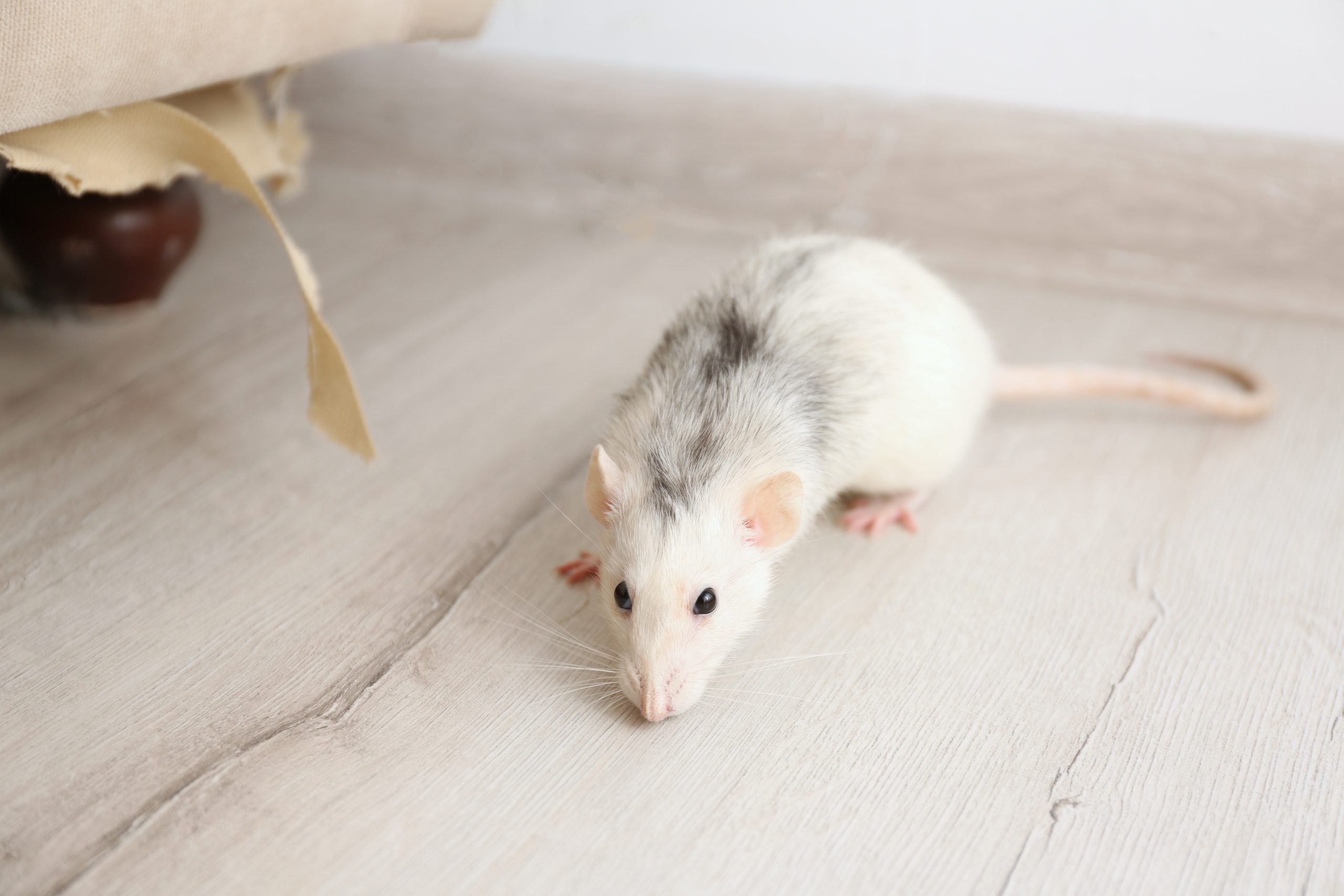
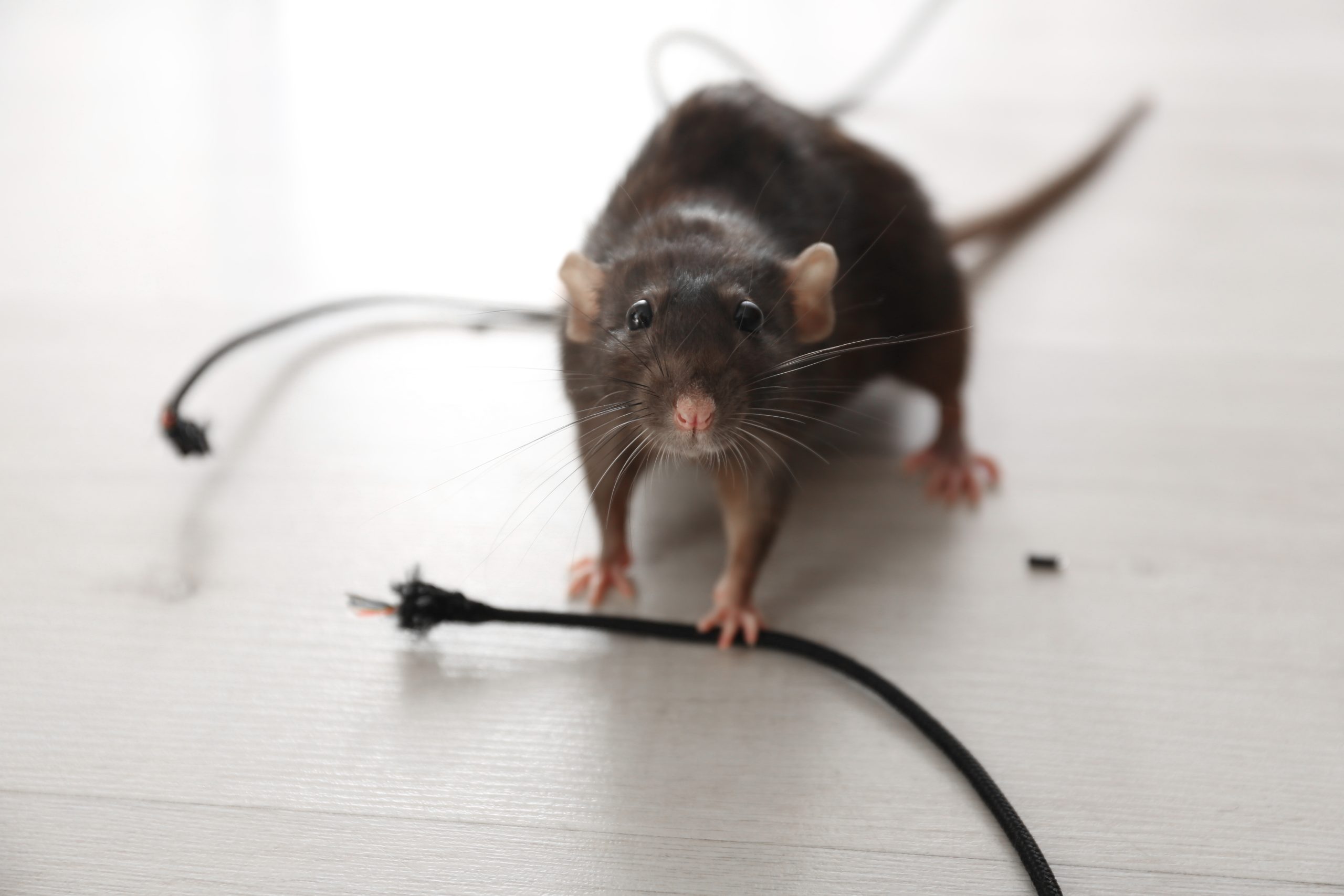
Every pest looking for a place to live needs the same basic things we do: food, water, and shelter. At Nature’s Way, we’ve helped thousands of homeowners understand why pests choose their properties. When you know what attracts them, you can make your home less inviting.
The Three Things All Pests Need
1. Food Sources
Pests will travel far for a reliable meal. Your property might offer food in ways you haven’t considered:
- Uncovered bins: Even tiny gaps let smells escape that attract pests
- Pet food left out: Especially overnight when pests are most active
- Dirty BBQs: Food residue attracts rats, mice, and insects
- Bird feeders: Seeds that drop to the ground attract rodents
- Fruit trees: Fallen fruit is a feast for many pests
- Compost heaps: Especially those containing food waste
- Dirty dishes: Left in sinks or on worktops
- Food crumbs: Under appliances, in sofa cushions, and on floors
2. Water Sources
Pests need water daily to survive. They find it in places like:
- Dripping taps: Both indoors and outside
- Pet water bowls: Particularly those left out at night
- Blocked gutters: Creating puddles and damp areas
- Bird baths: Providing easy access to water
- Paddling pools: When left filled overnight
- Plant pot saucers: Collecting water after watering
- Leaking pipes: Creating damp spots under sinks or in walls
- Condensation: On windows and in bathrooms
3. Shelter Opportunities
Pests look for safe, warm places to hide and nest:
- Clutter: Boxes, newspapers, and unused items
- Dense shrubs: Next to house walls
- Tall grass: Provides cover for mice and rats
- Woodpiles: Perfect for many insects and rodents
- Garden sheds: Especially if rarely used
- Gaps under decking: Protected spaces for nests
- Lofts with easy access: Through gaps in eaves
- Wall cavities: Accessible through small holes
- Unused chimneys: Offering shelter for birds and bats
Common Entry Points to Your Home
Pests can’t cause problems inside if they can’t get in. Look for these access points:
- Gaps around pipes: Where they enter your home
- Broken roof tiles: Allowing access to lofts
- Damaged air bricks: With broken or missing grilles
- Gaps under doors: As small as 6mm for mice
- Cracks in walls: Especially near the ground
- Broken window screens: Even tiny tears
- Unsealed cable entry points: Where TV or internet cables come in
- Cat flaps: Providing easy access when not locked at night
Pest-Specific Attractions
Different pests are drawn to specific conditions:
Rodents (Rats and Mice)
- Food waste
- Cluttered storage areas
- Bird seed
- Pet food
- Compost heaps
- Dense ground cover
Insects
- Ants: Sugar spills, sticky residue
- Flies: Uncovered bins, pet waste
- Cockroaches: Food crumbs, warmth, moisture
- Wasps: Sweet drinks, fallen fruit
- Bed bugs: Brought in on second-hand furniture, luggage
- Moths: Stored fabrics, food pantries
Other Common Pests
- Pigeons: Flat ledges, roof spaces
- Squirrels: Lofts, trees near the house
- Foxes: Unsecured bins, pet food left out
Seasonal Factors That Attract Pests
Pest problems change with the seasons:
Spring
- Garden waste from pruning
- New plant growth
- Increased rainfall creating damp areas
Summer
- BBQs and outdoor dining
- Open windows and doors
- Garden watering creating damp areas
- Ripening fruit and vegetables
Autumn
- Falling temperatures driving pests indoors
- Fallen fruit
- Leaf piles
- Preparing garden for winter creates debris
Winter
- Pests seeking warmth
- Holiday foods and cooking
- Sealed homes with less ventilation
- Stored decorations creating nesting spots
Simple Changes to Make Your Property Less Appealing
These quick fixes can make a big difference:
Outside Your Home
- Store bins away from doors and windows
- Fix leaking outside taps
- Cut back shrubs from walls
- Keep grass short
- Remove fallen fruit quickly
- Store firewood away from the house
- Clear gutters regularly
Inside Your Home
- Clean up food spills right away
- Don’t leave dirty dishes overnight
- Store food in sealed containers
- Fix leaky pipes promptly
- Reduce clutter, especially cardboard
- Empty pet bowls at night
- Vacuum regularly, including under furniture
When to Seek Professional Pest Control
Consider calling Nature’s Way when:
- You’ve made changes but still have pest problems
- You can’t find where pests are entering
- The problem is spreading
- You’re not sure what pest you’re dealing with
- You need help making your property less attractive to pests
Our Approach at Nature’s Way
When you call us, we:
- Inspect thoroughly: Finding all the factors making your home attractive to pests
- Identify the pest: Different pests need different approaches
- Create a plan: Targeting both the current problem and prevention
- Recommend changes: Simple adjustments to make your property less appealing
- Follow up: To make sure the problem doesn’t return
Conclusion
Understanding what attracts pests to your property is the first step in keeping them away. Most pest problems start with easy access to food, water, and shelter. By addressing these basic needs, you can make your home much less appealing to unwanted visitors.
Remember that prevention is always easier than dealing with an established pest problem. Taking time to pest-proof your property now saves trouble later. If you’re struggling with persistent pests despite your best efforts, Nature’s Way is here to help with practical, effective pest solutions.