You spray the bedroom. The bugs vanish. Two weeks later, they are back, and it feels like nothing has changed.
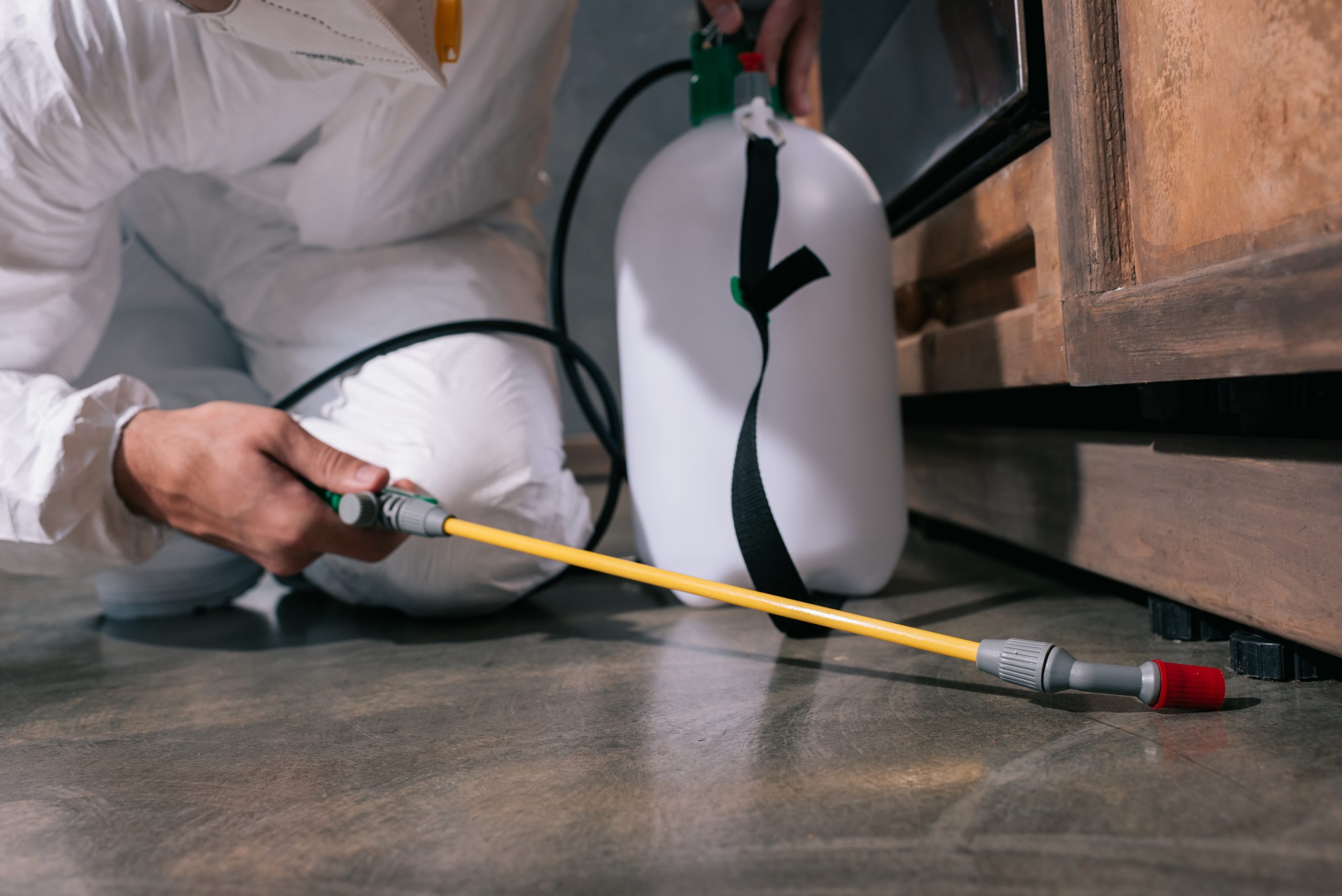
This is one of the most common frustrations in insect pest control, and there is a simple reason behind it. Most sprays kill the adult insects you can see. They often miss the eggs tucked deep inside mattress seams, skirting board gaps and furniture joints. When those eggs hatch, the infestation starts all over again.
Heat treatment works differently. Instead of trying to reach every hiding place with a chemical, it turns the whole room into a place where insects simply cannot survive. This post explains how it works, what happens on the day, and which pests it suits best.
What is heat treatment?
Heat treatment, sometimes called thermal insect treatment, uses specialist heaters to warm a room to a temperature that insects cannot live through. At Natures Way we heat the treated room to between 50°C and 60°C.
The key part is not just reaching that temperature. It is holding it there long enough for the heat to soak into everything in the room. Warm air on its own is not enough, because insects hide inside soft furnishings, behind skirting boards and in tiny cracks in wooden furniture. The heat needs time to travel into those spaces and stay there.
Our technicians use sensors placed around the room to check the temperature in the coldest spots, not just the middle of the floor. Once every corner has reached the target, the insects in it have nowhere left to go.
Why heat kills eggs when sprays often do not
Insect eggs are tough. They have a hard outer shell that many chemicals struggle to get through, which is why chemical treatments usually need repeat visits timed around the hatching cycle.
Heat does not have that problem. An egg cannot build up a shield against temperature. Once the heat reaches it, the proteins inside break down and the egg dies along with everything else.
That is the real advantage of heat treatment. Eggs, larvae, young insects and adults all die in the same session, so there is no second wave waiting to hatch.
The NHS makes a similar point about the difficulty of tackling bed bugs at home. It notes that bed bugs can be resistant to some insecticides and are very hard to get rid of without professional help, and it recommends washing affected bedding at 60°C. You can read the full NHS guidance on bedbugs for more detail on bites and home measures.
Heat treatment compared with chemical treatment
Both approaches have their place, and our team will always recommend the right one for your situation. Here is how they compare.
| Heat treatment | Chemical treatment | |
|---|---|---|
| Kills eggs | Yes, in the same session | Often not, so eggs can hatch later |
| Number of visits | Usually one | Commonly two or more |
| Typical timescale | 6 to 8 hours for an average room | Two to four weeks across several visits |
| Chemicals used | None or very little | Residual insecticide applied to surfaces |
| Success rate | Over 97% | Around 70% |
| Reaches deep cracks | Yes, heat travels into gaps and joints | Only where the spray can reach |
| Time out of the room | Same-day return in most cases | Around four hours after each visit |
| Best suited to | Heavy or repeat infestations | Lighter infestations and ongoing prevention |
For many customers, the deciding factor is the single visit. One day of disruption is far easier to plan around than three appointments spread over a month.
Which insects does heat treatment suit best?
Heat treatment is particularly effective against pests that breed indoors and hide in fabric, bedding and furniture.
Bed bugs. This is the classic case. Bed bugs hide in mattress seams, bed frames, headboards and the gaps behind skirting boards, and they lay eggs in all of those places. Heat reaches every one of them at once. If you are weighing up your options, our guide on the best way to remove bed bugs from your home walks through the choices, and you can read more about our full bed bug removal in Essex service.
Clothes and carpet moths. It is the larvae that eat holes in wool jumpers, suits and natural fibre carpets, not the adult moths flying around the room. Sprays aimed at adults miss the real problem. Moth heat treatment kills the eggs and larvae buried in carpet pile and folded clothing. Our moth removal in Essex page covers the other options too, including steam and freezing for delicate items.
Carpet beetles. Similar story. The larvae, sometimes called woolly bears, feed on natural fibres and hide deep in carpets and under furniture.
Fleas. Flea eggs drop off pets and settle into carpets and gaps in floorboards, where they can lie dormant for weeks. Heat clears the whole life cycle in one go, which is why flea treatment in Essex homes with pets often works best this way.
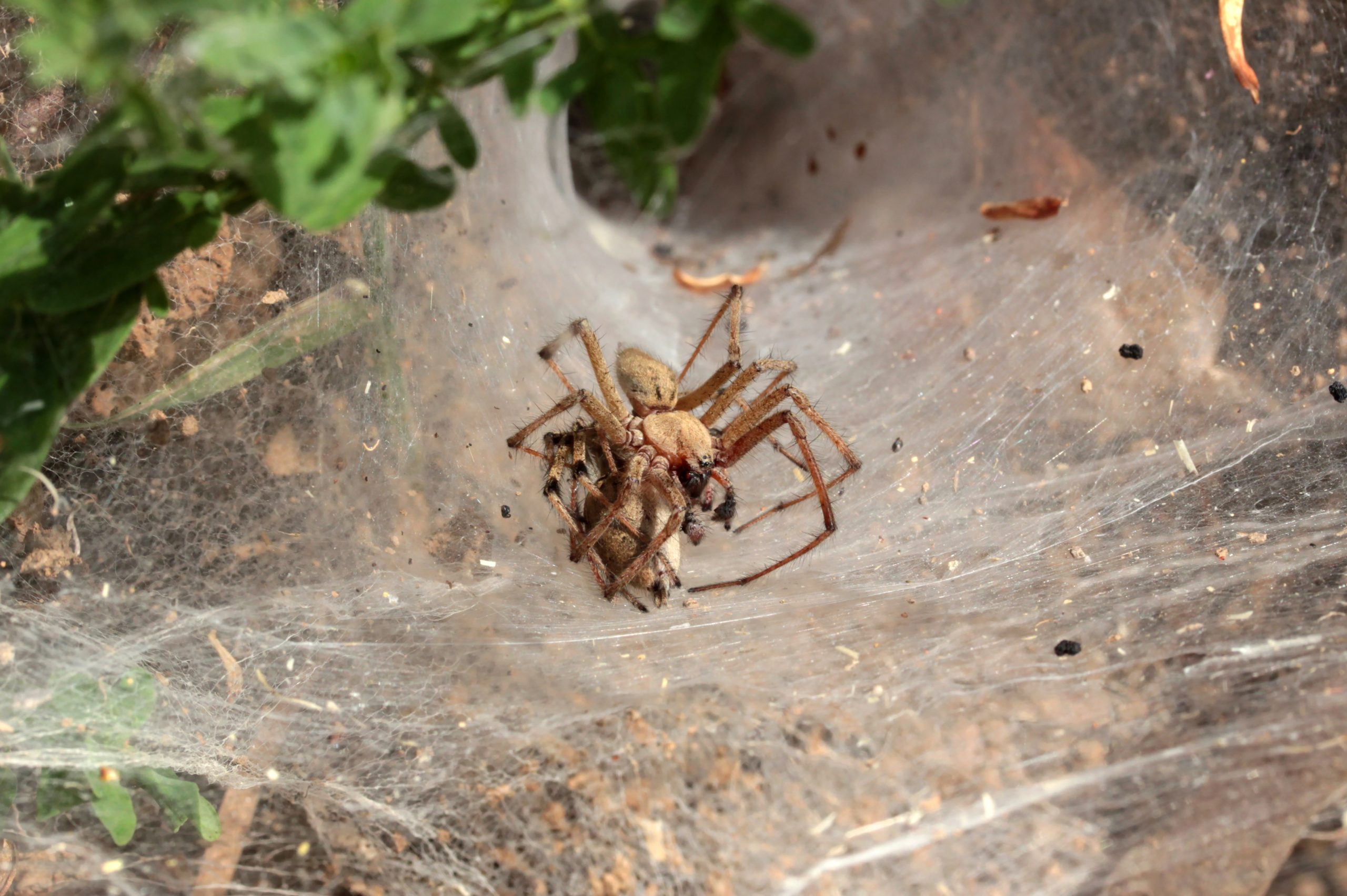
Heat treatment also works well for cockroaches, false widow spiders, plaster beetles and booklice. It is not the right answer for every pest, though, so if you are unsure what you are dealing with, our professional insect control Essex team can identify the problem first and recommend the best method. It is also worth reading our overview of insect control and the five main methods if you want to understand the wider options.
Why families choose chemical-free pest control
Plenty of our customers come to heat treatment because they would rather not have insecticide sprayed around a house with young children, pets or someone with breathing difficulties in it.
Heat leaves nothing behind. There is no residue on the carpet, no smell in the wardrobe and no waiting period before children can play on the floor again. Once the room has cooled, it is simply a normal room.
It is also kinder to the things in the room than many people expect. Heat does not stain fabrics or bleach carpets the way some liquid treatments can, and there is no need to strip a room bare beforehand.
How to prepare for a heat treatment
Preparation is straightforward, and we will talk you through it before the day. In general, you will need to:
- Remove anything that could melt or be damaged by heat. This includes candles, crayons, aerosol cans, lighters, vinyl records, musical instruments and any pressurised containers.
- Take out medicines, cosmetics and anything else with storage instructions warning against heat.
- Remove houseplants and pet fish, and make sure all pets are out of the property for the day.
- Open wardrobes, drawers and cupboards, and loosen tightly packed clothing so warm air can circulate through it.
- Pull furniture slightly away from the walls where you can, so heat can reach behind it.
- Leave bedding, mattresses, curtains and carpets exactly where they are. These are the places insects hide, and they need to be treated in position.
You do not need to empty the room. That is one of the big practical advantages compared with other approaches, where furniture often has to come out.
What happens on the day
Here is what a typical treatment looks like from start to finish.
- Arrival and set up. Our technician checks the room, positions the heaters and places temperature sensors in the coldest spots, such as corners and behind furniture.
- Heating up. The room warms gradually to the target range. This part can take a couple of hours depending on the size of the room and the time of year.
- Holding the temperature. The heat is held steady so it can travel into mattresses, furniture joints and wall gaps. This is the stage that kills the eggs.
- Monitoring. The technician watches the sensor readings throughout and moves fans or heaters if any area is lagging behind.
- Cooling and checks. The room is allowed to cool and inspected before you move back in.
For an average-sized room, the whole process usually takes 6 to 8 hours, and in most cases you can return to your property the same day.
We can also heat treat vehicles, including cars, lorries, caravans, buses, taxis and trains, which are notoriously hard to treat any other way.
Will one visit really be enough?
In most cases, yes. That is the point of a one-visit treatment. Because heat kills every life stage in the same session, there is usually no need to come back and catch a later hatch.
We will still advise you on keeping the room clear afterwards, because insects can always be carried back in on luggage, second-hand furniture or clothing. Heat treatment solves the infestation you have. Good habits stop the next one from starting.
Where an infestation has spread through several rooms, or where the source is still active, we may recommend treating a larger area or combining heat with a light residual treatment in the surrounding spaces. We will explain all of this before any work starts, so there are no surprises.
Book insect heat treatment in Essex
Natures Way has been dealing with insect problems across Essex since 1990. Our technicians are trained to RSPH Level 2 standard, and we are members of the National Pest Technicians Association, so every treatment follows current guidelines.
If sprays have not solved your problem, or you would simply rather avoid chemicals in your home, heat treatment for insect infestations in Essex is very likely the answer.
Call us on 0800 043 6703 or 07971 050605, or email info@natures-way.co.uk for honest advice and a straight quote. We cover Southend-on-Sea, Basildon, Brentwood, Stanford Le Hope, Rayleigh and the surrounding areas of Essex.