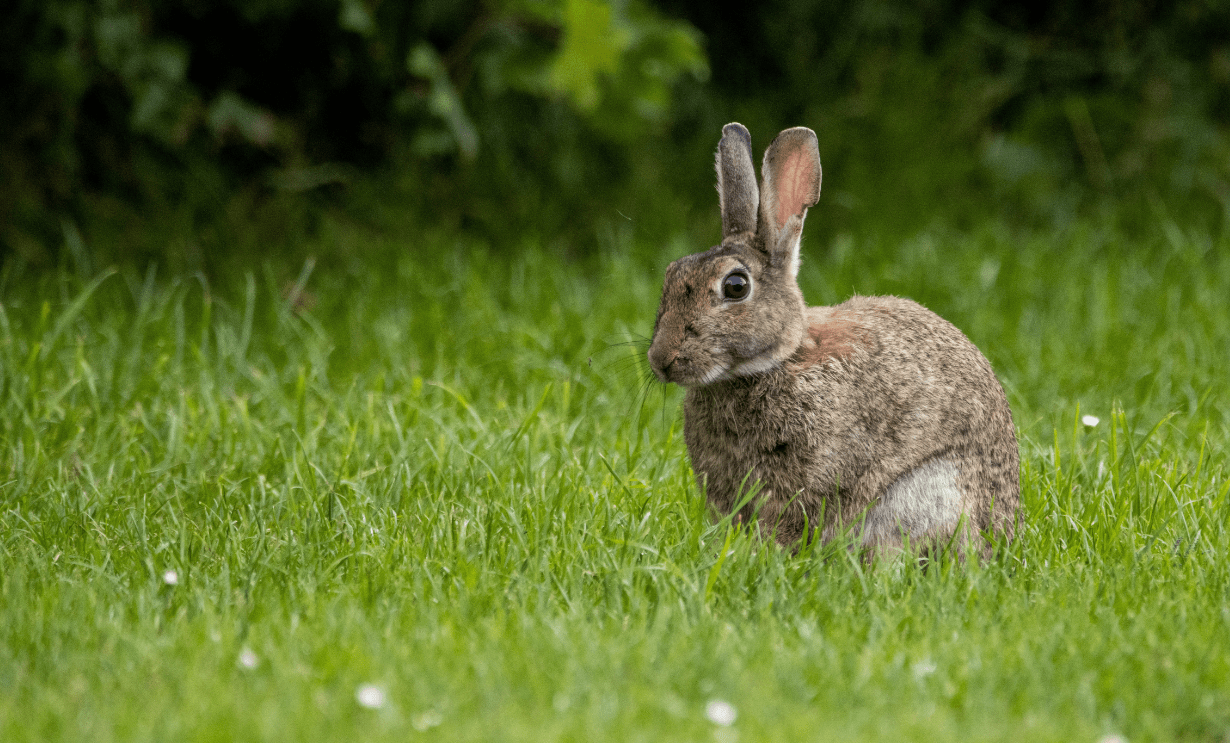
They might look adorable with their twitchy noses and fluffy tails, but if you’ve ever found your prized veg patch decimated overnight, you’ll know that rabbits can be proper little terrors when they put their minds to it. At Nature’s Way, we’re constantly fielding calls from exasperated gardeners, farmers, and land managers who’ve reached their wits’ end with these prolific nibblers.
“But they’re just cute little bunnies!” I hear you say. Well, yes – individually, they’re charming. The problem is, they rarely come individually. A single breeding pair of rabbits can produce up to 30 offspring in a year. Do the maths on that for a few generations, and you’ll see why people get so desperate for solutions!
Let’s hop into (sorry, couldn’t resist) some effective and ethical ways to manage rabbit populations without turning into Elmer Fudd.
Understanding the Bunny Boom
Before we tackle solutions, it’s worth understanding why rabbit populations can explode so dramatically:
- Breeding machines – Rabbits can reproduce from 3-4 months of age and pregnancy lasts just 30 days
- Year-round romance – Unlike some animals, rabbits can breed in any season
- Safety in numbers – The more rabbits, the more lookouts for predators, creating a cycle of successful breeding
- Adaptable diets – They’ll eat almost any vegetation, making most environments suitable
I visited a community garden in Warwickshire last summer where the rabbit population had quadrupled in just one growing season. The poor volunteer gardeners were at their wits’ end, watching their organic veg disappear faster than free cake at an office birthday.
Signs You’ve Got a Rabbit Situation
Not sure if rabbits are your problem? Look out for:
- Cleanly cut plant stems (unlike the ragged edges left by other pests)
- Small, pea-sized droppings scattered about
- Shallow scrapes in the soil where they’ve been digging
- Rabbit runs – small, well-trodden paths through grass or vegetation
- Burrow entrances, often with fresh soil outside
Humane Control Methods That Actually Work
At Nature’s Way, we’re all about finding that sweet spot between effective control and ethical treatment. Here are the approaches we’ve found most successful:
1. Exclusion Techniques – Building the Bunny Barrier
Fencing is your first line of defence, but not just any fencing will do:
- Height matters – At least 90cm tall to prevent jumping
- Bury deep – Extend mesh at least 30cm underground, bent outwards to prevent tunnelling
- Mind the gaps – Use mesh no larger than 2.5cm to keep even the little ones out
One of our customers invested in proper rabbit fencing around her vegetable garden and swears it’s the best money she’s ever spent. “I actually get to eat my own lettuce now,” she told me, “rather than just growing rabbit food!”
Electric fencing can be brilliant for temporary protection or larger areas:
- Low-level strands (10cm and 20cm from the ground) catch rabbits at nose height
- Solar-powered options make this practical even away from power sources
2. Habitat Modification – Making Your Space Less Appealing
Rabbits, like all of us, want comfortable homes and convenient food sources. Take these away and they’ll often move along:
- Clear brush piles and dense vegetation where rabbits might hide
- Fill in burrow entrances regularly (after checking they’re empty!)
- Remove food sources close to burrows
- Encourage tall grass areas away from valuable plants – this creates predator risk and can reduce browsing in gardens
A golf course we work with in Surrey created “rabbit zones” with tall grass far from the greens, significantly reducing damage to their manicured playing areas.
3. Repellents – Sending the Right Message
Various commercial and homemade repellents can be effective, though they generally need regular reapplication:
- Blood meal – A traditional deterrent that doubles as fertiliser
- Garlic and chilli sprays – The smell and taste put rabbits off
- Commercial repellents – Our Nature’s Way Rabbit Repellent uses natural fear pheromones
I should note that repellents work best as part of a wider strategy rather than your only line of defence. Think of them as the backup singers, not the lead vocalist in your rabbit control band.
4. Plants They Turn Their Noses Up At
Strategic planting can create natural barriers:
- Strongly scented herbs like lavender, rosemary, and sage
- Toxic plants like foxgloves and hellebores (though be careful if you have pets)
- Fuzzy-leaved plants like lamb’s ears which rabbits find texturally unappealing
A client in Devon created a “sacrificial garden” area with rabbit favourites far from her prized plants. “I’d rather they ate my spare lettuce than my prize dahlias,” she explained pragmatically.
5. Natural Predator Encouragement
Working with nature can be incredibly effective:
- Bird of prey perches can encourage hawks and owls
- Fox-friendly spaces (if you’re in the countryside)
- Reduced outdoor lighting to make nocturnal predators more comfortable
The balance of nature is a wonderful thing – when we haven’t tipped it too far one way!
When More Direct Intervention Is Needed
Sometimes, particularly with established large populations, more direct control is necessary:
Trapping
Live trapping can be effective for relocating rabbits, but there are important considerations:
- Check traps regularly – At least twice daily
- Provide food and water in traps
- Release wisely – You need landowner permission, and releasing too close means they’ll find their way back
Our professional trapping service ensures humane handling and legal compliance – important considerations for animal welfare.
Population Control by Professionals
In some situations, particularly agriculture, more permanent population reduction might be necessary. If you’re considering this route:
- Ensure all legal requirements are met
- Use trained professionals (like our specialist team)
- Consider timing to avoid dependent young
- Always prioritise humane methods
The Integrated Approach – Why It Works Best
In our experience, combining multiple methods works far better than relying on just one. A typical integrated strategy might include:
- Proper exclusion fencing around high-value areas
- Habitat modification to reduce harbourage
- Repellents for additional protection
- Strategic planting of rabbit-resistant species
- Encouragement of natural predators
A farm we work with in Gloucestershire reduced rabbit damage by 85% using this combined approach, saving thousands of pounds in crop losses.
Common Mistakes to Avoid
After years in the business, we’ve seen people make the same mistakes repeatedly:
- Inadequate fencing – Too short or not dug in deep enough
- Inconsistent repellent application – You need to keep it up, especially after rain
- Partial habitat clearance – They just move to the remaining suitable areas
- Going it alone – Some situations really do need professional input
When to Call in the Professionals
If you’ve tried the DIY approach and still find yourself overrun with rabbits, it might be time to call in the experts. At Nature’s Way, we assess each situation individually and create customised control programs that consider:
- The size of the rabbit population
- The area requiring protection
- Your budget constraints
- Environmental considerations
- Long-term sustainability
Our approach always prioritises humane methods and practical solutions that actually work in the real world.
The Legal Bit
It’s worth noting that while rabbits are considered pests in the UK, there are still regulations around how they can be controlled. The Wild Mammals Protection Act 1996 prohibits certain methods of killing or taking wild mammals, including rabbits. Always ensure your control methods are legal and humane.
Final Thoughts – The Long Game
Rabbit control isn’t a one-and-done job – it’s more of a marathon than a sprint. Consistency and persistence are key to success. I always tell our customers that prevention is far easier than cure, so if you’re just starting to notice rabbits, act quickly before they establish a proper colony.
With the right approach and a bit of patience, you can reach a balance where both you and the bunnies can coexist – just not at the expense of your prize-winning carrots!