Finding a wasp nest on your property can be scary. You might think blocking the entrance is a quick fix, but is it safe? This guide looks at why blocking wasp nests is dangerous, what safer options you have, and when you need to call the professionals.
Why Blocking a Wasp Nest Entrance Is Dangerous
Blocking a wasp nest entrance creates serious safety problems that usually make things worse, not better.
Wasps Become Much More Aggressive
When you block a wasp nest entrance, you trap thousands of wasps inside their home. This makes them panic and become very defensive. Wasps work as a team. When one wasp senses danger, the whole colony goes on high alert. Unlike honey bees that can only sting once, wasps can sting you over and over again.
The trapped wasps get more and more angry as they look for ways to escape. They might chew through wood, plaster, or other materials to find new exits. When they do get out, they’ll be far more likely to attack than normal. This puts you, your family, and anyone nearby at serious risk of getting stung multiple times.
Property Damage Problems
Wasps don’t give up easily. When their main entrance is blocked, they’ll chew through things to create new exits. This can damage your property, especially if the nest is inside wall spaces, roof areas, or other parts of your building.
The wasps might make new openings in places you don’t expect. They could even end up inside your house instead of outside. Also, blocking the entrance without getting rid of the wasps means dead wasps will pile up inside the structure. This creates bad smells and might attract other pests.
How Wasp Colonies Grow
In spring, queen wasps wake up from winter sleep and start building nests with 50 to 100 wasps. This is the best time to remove nests. By late summer, colonies can grow to 5,000 wasps, making removal much more dangerous.
Paper wasps build open nests and are usually calmer. Yellow jackets build hidden nests underground or inside walls and are more aggressive. Hornets build large football-shaped nests and are very dangerous because of their size.
When You Need Professional Wasp Control
| Warning Sign | Why You Need Professional Help |
|---|---|
| Hard to reach nests | Nests in walls, chimneys, or high up in trees need special equipment and protective gear that most people don’t have. |
| Large nests | Any nest bigger than a tennis ball has thousands of wasps. Professionals have the right protective clothing and tools to remove them safely. |
| Multiple nests | Sometimes wasps build several nests around your property. Dealing with all of them needs careful planning and treatment. |
| Busy areas | Nests near doors, windows, play areas, or business premises put people at constant risk. |
| Allergies | If you or your family members are allergic to wasp stings, trying DIY removal could be life-threatening. |
| Failed attempts | If you’ve already tried to remove the nest yourself, the wasps are now very angry. You need professional help. |
How to Spot a Wasp Nest
Lots of wasps flying in the same direction means there’s probably a nest nearby. Wasp nests are made from chewed wood, which looks like grey or brown paper. Big nests make a humming sound you can hear.
Common places for nests include wall spaces, loft areas, roof edges, hollow trees, garden sheds, and underground holes.
Why DIY Wasp Removal Usually Fails
Professional pest controllers wear special protective suits that cover them completely. Normal household protective gear like dust masks and gardening gloves offer almost no protection.
When you attack one wasp, it sends out a smell signal that warns the whole colony. This makes hundreds or thousands of wasps come out to defend the nest at the same time. Unlike honey bees, wasps can sting you many times without dying.
One person tried to knock down a nest in his shed. He ended up in hospital with fifteen stings and needed emergency medicine. Professional removal avoids all these risks.
Safer Alternatives to Blocking Nest Entrances
Professional Pest Control Services
Professional wasp nest removal is the safest and most reliable way to deal with nests. Pest control experts have proper training, the right protective equipment, and proven methods to get rid of entire colonies without putting anyone at risk.
Nature’s Way Pest Control has over 30 years of experience and shows what good wasp removal looks like. All technicians have RSPH Level 2 qualifications, and as NPTA members, they follow the latest industry rules. Professional wasp nest removal usually costs between £50 and £100 in most parts of the UK.
Eco-Friendly Solutions
Essential oils are natural ways to keep wasps away. Peppermint oil has a strong smell that stops wasps from navigating properly. Mix peppermint essential oil with water and washing up liquid to make a spray. Lavender oil also confuses wasps by overwhelming their sense of smell.
Birds like great tits and blue tits hunt wasps. Putting up bird boxes encourages these helpful birds. Dragonflies also eat wasps naturally.
DIY Safety (Very Small Nests Only)
For very small nests in early spring only, work in the early morning or late evening when wasps are sleepy. Wear lots of protective clothing including thick layers, gloves, face protection, and head covering. Plan how you’ll escape quickly and tell someone before you start.
For extremely small nests, mix two tablespoons of washing up liquid with water in a spray bottle. This only works for tiny nests with just a few wasps in early spring. For any bigger nest, this is very dangerous.
The smartest thing to do is call professional pest controllers.
Prevention: The Best Way to Avoid Wasp Problems
Check your property regularly in spring when queen wasps wake up. Look at roof edges, wall spaces, garden sheds, hollow trees, and chimney tops. One customer sets a reminder every April to check for nests and hasn’t had problems in years.
Block entry points by checking window frames and door seals, fixing damaged roof tiles, putting mesh screens over air bricks, and filling cracks in walls.
Remove food sources by keeping outdoor eating areas clean, storing rubbish in covered bins, cleaning barbecues after use, and picking up fallen fruit regularly.
Trim overgrown plants regularly, clear away garden rubbish quickly, and cut back trees to remove sheltered spaces. Wasps like quiet, undisturbed areas.
What Professional Removal Involves
Technicians start by checking everything carefully. They identify what type of wasps you have, find all the nests, work out how big the colony is, and check if it’s easy to reach.
For normal nests, technicians use approved insecticides that kill the whole colony. For eco-friendly options, they can use natural treatments, remove and relocate the nest, or use a combination of methods. Many services include follow-up guarantees.
Legal Rules and Regulations
Professional technicians need RSPH Level 2 Award qualifications. The Health and Safety Executive controls which pest control chemicals can be used.
Make sure you know if you have wasps or bees. Honey bees are protected by law. Wasps are bright yellow with black stripes and a thin waist. Honey bees are more golden coloured, furry, and usually calmer.
Common Questions About Wasp Nests
Will wasps leave on their own?
Wasp colonies die naturally in autumn. However, the nest stays there and can attract new queens next spring. Waiting means living with thousands of aggressive wasps all summer.
How quickly can professionals come out?
Many services offer same-day or next-day appointments. Nature’s Way Pest Control is available 24 hours a day for emergencies.
Are the treatments safe for pets and children?
Professional pest controllers use approved treatments. When applied properly by trained technicians, these treatments are safe. Technicians will give you safety advice for your situation.
What’s the difference between wasps and hornets?
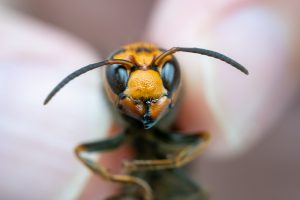
Hornets are actually a type of wasp. They’re bigger with brown and yellow colours. They build large football-shaped nests and are usually more aggressive than common wasps.
Conclusion
Blocking a wasp nest entrance might seem like a quick fix, but it’s actually very dangerous. This approach makes wasps much more aggressive, causes property damage, and often turns an outdoor problem into an indoor emergency.
Professional pest control services are the safest and most effective way to deal with wasp nests. Prevention is the best long-term strategy through regular property checks, blocking entry points, managing food sources, and keeping tidy gardens.
If you find a wasp nest on your property in Essex, don’t risk dangerous DIY solutions. Contact experienced professionals who can get rid of the threat safely. With over 30 years of experience serving Southend on Sea, Basildon, Brentwood, Stanford Le Hope, Rayleigh, and throughout Essex, Nature’s Way Pest Control provides quick response, RSPH Level 2 qualified technicians, eco-friendly treatment options, and helpful prevention advice.
Don’t risk painful stings, property damage, or worse. Contact Nature’s Way Pest Control today for safe, professional wasp nest removal that protects your family, property, and peace of mind.