Bed bugs pose a serious threat to Southend’s hospitality industry. The town’s seaside tourism attracts thousands of visitors each year. Early identification protects your business reputation and prevents costly room closures.
Why Southend Hotels Face Higher Risks
Southend’s coastal location attracts visitors from across the UK and abroad. Bed bugs hitchhike in luggage and clothing. Even the cleanest hotels can become infested. Bed bugs have nothing to do with cleanliness.
Older Victorian and Edwardian buildings have more cracks where bed bugs hide. Understanding these vulnerabilities helps create better inspection routines.
Warning Signs for Hotel Staff
Train your housekeeping team to spot bed bug evidence. Adult bed bugs are reddish-brown and about five millimetres long. Staff rarely see live bugs during normal cleaning.
Look for these telltale signs instead. Small rust-coloured stains on bed linen indicate droppings. Blood spots appear on sheets from crushed bugs. Shed exoskeletons collect in mattress seams and headboard crevices.
Guest complaints about bites need immediate investigation. Bites appear as small red welts in lines or clusters. Some people show no reaction at all. This means infestations can grow undetected for weeks.
Room Inspection Methods
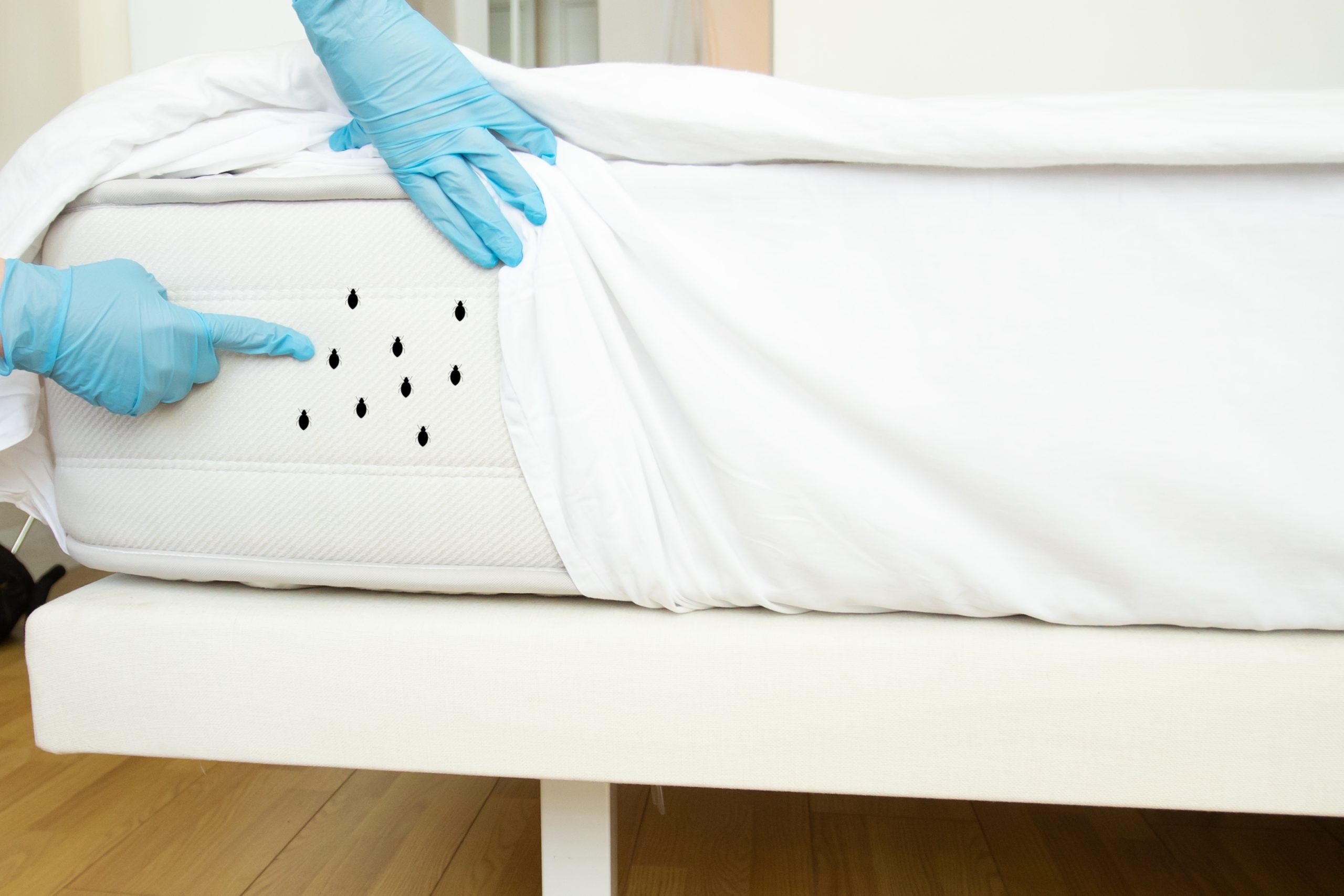
Start with the bed itself. Strip all bedding and check mattress seams carefully. Pay attention to corners and tufted areas. Inspect the box spring thoroughly, especially inside the frame.
Remove headboards from the wall when possible. Check both sides and any grooves or joints. Use a torch to see into dark crevices. Bed bugs hide during daylight hours.
Expand your search beyond the bed. Check bedside tables, drawer joints, and underneath surfaces. Examine electrical outlets and light switches. Look at curtain hems, picture frames, and upholstered furniture.
Taking Immediate Action
Remove affected rooms from service immediately. Do not move furniture to other areas. This spreads the infestation. Bed bugs transfer easily on housekeeping trolleys and linen.
Take photographs and detailed notes. Record exactly where you found evidence. This helps pest control professionals plan treatment.
Call your pest control provider straight away. DIY treatments rarely work. Bed bugs resist many common insecticides. Improper treatment scatters them throughout the building.
Check rooms above, below, and beside the affected area. Bed bugs migrate through walls and pipes. Treat these rooms preventatively even without visible evidence.
Professional Treatment Solutions
Heat treatment raises room temperatures to around 50°C. This kills all life stages in one session. The process takes 6 to 8 hours.
Chemical treatments use professional-grade products. Multiple treatments two weeks apart eliminate newly hatched bugs. Steam treatment works well for mattresses and furniture.
Request written treatment plans and follow-up inspections. Professional services should include guarantees.
Protecting Your Reputation
Handle complaints with empathy. Never make excuses. Move guests to a different room immediately.
Offer complimentary dry cleaning. Consider refunding the room charge. Respond to negative reviews promptly. Explain your prevention programme.
Train all staff on proper reporting. This prevents small problems becoming major issues.
Prevention Strategies
Inspect all guest rooms weekly. Do not wait for complaints. Early detection stops infestations.
Install bed bug mattress encasements on all beds. White covers make inspection easier. Replace damaged encasements immediately.
Position metal luggage racks away from beds. Bag soiled linen at collection points. Wash at temperatures above 60°C.
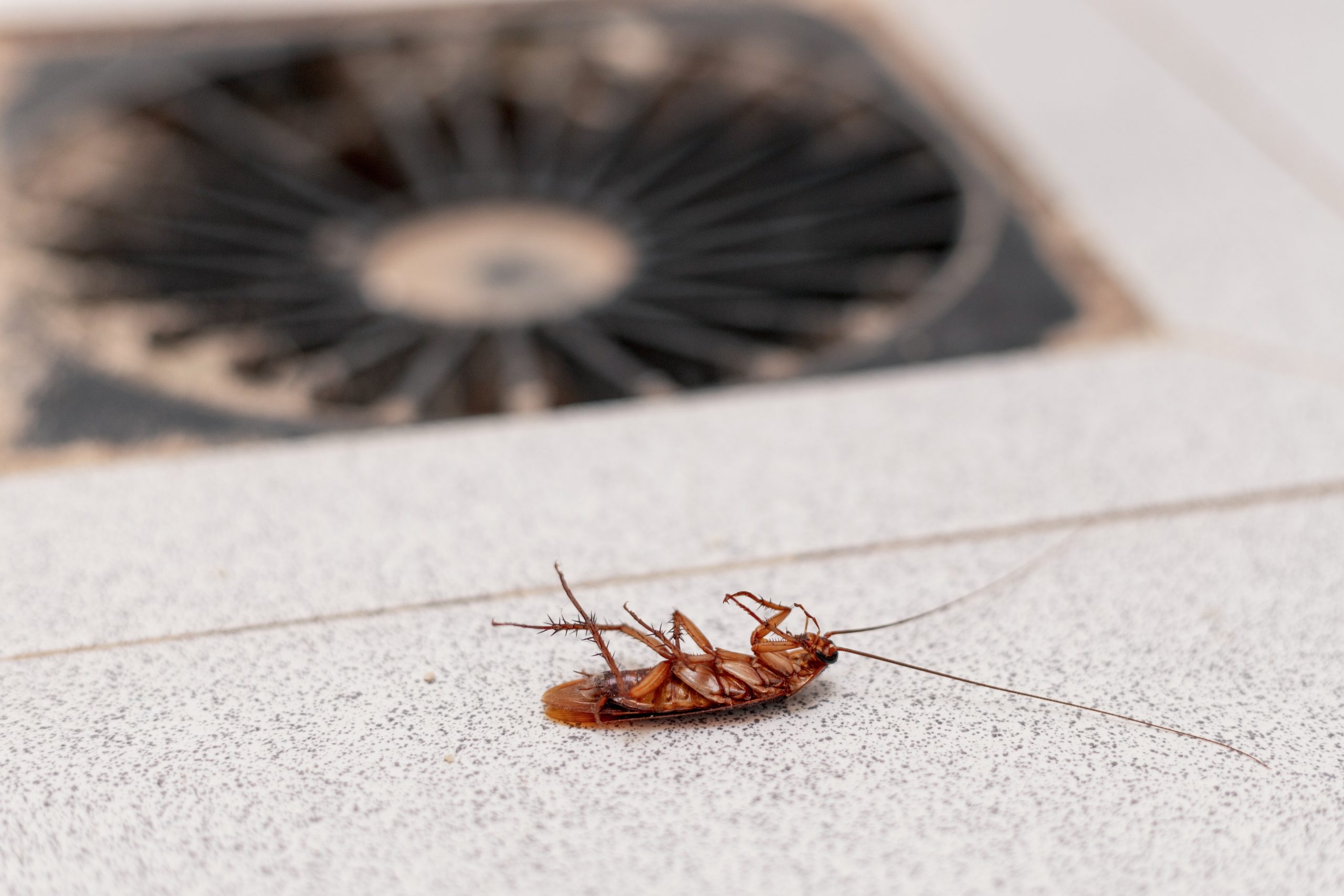
Maintain professional cockroach removal services alongside bed bug prevention.
Bed Bug Detection Table
| Inspection Area | Warning Signs | Inspection Frequency | Priority Level |
|---|---|---|---|
| Mattress seams | Dark spots, shed skins, live bugs | After each checkout | Critical |
| Box springs | Staining, eggs in corners | Weekly | Critical |
| Headboards | Clustering in grooves and joints | Weekly | High |
| Bed frames | Live bugs in joints and cracks | After each checkout | Critical |
| Bedside furniture | Droppings in drawer joints | Monthly | Medium |
Frequently Asked Questions
How quickly can a bed bug infestation develop in a hotel room?
A single pregnant female can establish an infestation within weeks. Females lay up to five eggs daily. Each nymph reaches maturity in five weeks. Daily visual inspections are essential.
Can bed bugs spread between hotel rooms?
Yes, bed bugs migrate between rooms through walls and pipes. They travel several rooms seeking new hosts. Pest control providers treat surrounding rooms. Housekeeping trolleys also transfer bugs between rooms.
What should hotels tell guests who complain about bed bugs?
Respond with immediate action. Relocate the guest to a different building section. Offer complimentary laundering. Document everything and call pest control within 24 hours. According to NHS guidance on bed bugs, bites can cause discomfort requiring medical attention. Take complaints seriously.
How long does professional bed bug treatment take?
Heat treatment takes 6 to 8 hours for one room. Chemical treatments need 4 to 6 hours drying time. Multiple visits spaced two weeks apart ensure complete elimination. Total programmes span 4 to 6 weeks.
Conclusion
Bed bug management is challenging but manageable. Train staff to recognise warning signs. Implement regular inspections. Maintain professional pest control relationships.
Treat bed bug prevention as seriously as fire safety. Regular inspections demonstrate your commitment to guests. Discovering bed bugs reflects modern hospitality realities, not cleaning standards.
Nature’s Way Pest Control provides professional bed bug services in Southend. With over 30 years of experience, our RSPH Level 2 trained technicians deliver discreet, effective treatments that protect your reputation.