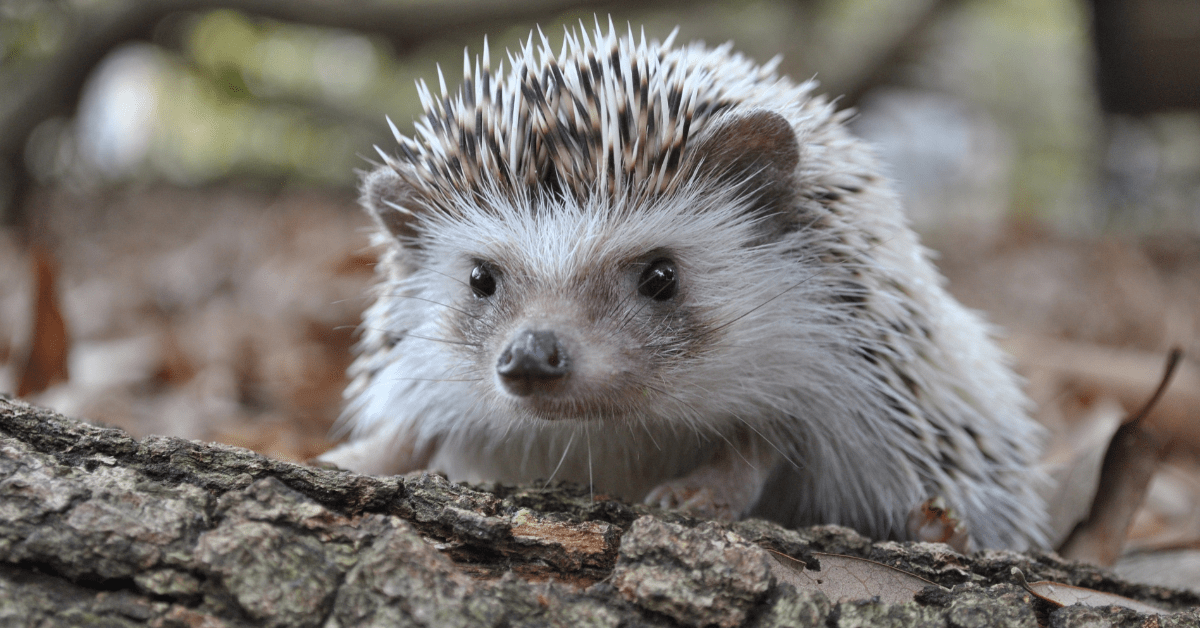
Have you ever spotted a prickly visitor snuffling about your garden as dusk falls? Those delightful little creatures with their charming pointy noses aren’t just there to star in your family anecdotes – they’re actually nature’s very own garden pest control specialists! At Natures Way, we’re rather fond of highlighting how Mother Nature’s systems can work hand-in-hand with our professional services to keep your outdoor spaces thriving. So, pop the kettle on and let’s explore how these spiky little chaps can help control garden pests naturally.
Meet Your Garden’s Night-time Helper
Hedgehogs are absolutely fascinating creatures that come alive after the sun goes down. While their eyesight is admittedly a bit rubbish, their sense of smell is absolutely top-notch – perfect for sniffing out those troublesome garden pests that drive gardeners up the wall. According to Hedgehog Street, these determined little foragers have evolved to be rather efficient hunters of many creatures that gardeners consider problematic. Think of them as your garden’s very own nocturnal security team, patrolling the perimeter while you’re tucked up in bed with a cuppa and a biscuit.
These prickly garden allies can be a brilliant natural addition to your pest control approach. Rather charmingly, they go about their business quietly and efficiently, asking for very little in return except perhaps a safe passage through your garden and the occasional shallow dish of water.
What Do Hedgehogs Eat? A Feast of Garden Pests!
Hedgehogs are impressively hungry little creatures! Each night, these determined foragers can travel up to 2 kilometres searching for dinner – that’s quite the expedition for such tiny legs. Their favourite meals include many creatures that gardeners would rather not have munching away on their prized plants:
- Slugs and snails – These slimy saboteurs can make up about 10% of a hedgehog’s diet and are some of the most troublesome garden pests
- Beetles – Including many that would otherwise be happily chomping away at your precious plants
- Caterpillars – The very same that might otherwise decimate your veg patch
- Earwigs – Often unwelcome visitors that damage fruits and flowers
A single dedicated hedgehog can consume quite astonishing quantities of these pests every night! They’re particularly fond of slugs and snails, which is absolutely brilliant news for gardeners who struggle with these persistent slimers. Research from the Warwickshire Wildlife Trust confirms that slugs can comprise up to 10% of a hedgehog’s diet, making these mammals excellent natural controllers of these widespread garden pests. During early morning garden inspections, you might notice fewer pests about – a sign your prickly friend has been hard at work overnight.
Why Hedgehogs Are Garden Pest Control Champions
Using hedgehogs as part of your strategy to control garden pests naturally has several rather impressive advantages:
Chemical-Free Control
Unlike commercial pesticides, hedgehogs provide a completely natural approach to controlling pests. This means you needn’t worry about harmful chemicals affecting other wildlife, your pets, your children, or indeed your prize-winning roses. At Natures Way, we always advocate for natural solutions before turning to more intensive methods – it’s better for your garden’s ecosystem and, frankly, better for everyone’s peace of mind.
Round-the-Clock Service
Hedgehogs work the night shift! They’re most active when many garden pests are out and about causing mischief, meaning they can tackle problems while you’re catching some well-earned shut-eye. It’s rather like having a dedicated nocturnal gardener who works for payment in slugs!
Good for Your Organic Garden’s Overall Health
Beyond just munching away at pests, hedgehogs help your organic garden in several other thoughtful ways:
- Their gentle digging aerates the soil without the disruption caused by larger animals
- They help spread seeds, potentially increasing your garden’s plant diversity
- Their droppings add nutrients back to the soil – nature’s very own fertiliser service
Creating a Hedgehog Haven: Your Guide to a Hedgehog-Friendly Garden
If you’d like to attract these helpful natural predators to join your garden’s pest management team, here’s how to roll out the welcome mat:
1. Create Hedgehog Highways for Easy Access
Hedgehogs need to roam between gardens to find enough food. They can travel up to 2km each night! As Hedgehog Street recommends, make a small 13cm gap in your fence or gate to create a “hedgehog highway” that allows these creatures to travel freely while keeping most pets contained. Think of it as creating a little wildlife corridor – rather like tiny hedgehog motorways connecting the various gardens in your neighbourhood.
2. Offer Food and Water Stations
While hedgehogs will naturally hunt garden pests, providing a little extra support can make your garden the equivalent of a five-star hedgehog hotel:
- Keep a shallow dish of fresh water available year-round – particularly important during dry summer months
- You can offer supplementary food such as meat-based cat or dog food (not fish varieties) or special hedgehog food
- Place these refreshments in a quiet spot where hedgehogs can dine without being disturbed
A well-fed hedgehog is an effective pest controller, so consider these offerings an investment in your garden’s health rather than simply hedgehog charity.
3. Provide Cosy Shelter Options
Hedgehogs need safe places to rest during the day and hibernate in winter. Try these hedgehog-friendly features that double as pest control headquarters:
- Log piles – Stack some logs in a quiet corner to create a perfect hedgehog retreat
- Leaf piles – Rather than bagging up every last autumn leaf, rake some into piles to create hedgehog hideaways
- Compost heaps – These attract insects for hedgehogs to eat and provide warm, cosy shelter
- Hedgehog houses – You can purchase these ready-made or construct your own simple shelter
A hedgehog that feels safe in your garden is more likely to stick around, providing consistent pest control services throughout the growing season.
Creating a Perfect Environment for Beneficial Insects and Hedgehogs
In a thriving organic garden, hedgehogs aren’t the only helpful visitors. Beneficial insects like ladybirds, hoverflies, and ground beetles also contribute to natural pest management. Creating an environment that supports both hedgehogs and these helpful insects creates a powerful pest control team:
- Plant native flowering species that provide nectar and pollen for beneficial insects
- Include plants like lavender, marigolds and fennel that attract natural pest predators
- Create different layers in your garden with ground cover, shrubs and taller plants
- Leave some areas of longer grass where insects can shelter, providing a buffet for your hedgehog friends
This approach creates a balanced ecosystem where natural predators keep pest populations in check without any need for chemical interventions.
Using Physical Barriers Alongside Natural Pest Control
While hedgehogs provide excellent biological control, sometimes a physical barrier approach works well alongside their efforts:
- Copper tape around raised beds deters slugs and snails
- Fine mesh can protect vulnerable seedlings while still allowing hedgehogs access to the pests
- Diatomaceous earth creates a barrier that soft-bodied pests won’t cross
- Beer traps can help reduce slug populations in areas hedgehogs haven’t yet discovered
Combining these methods with hedgehog activity creates a comprehensive approach to control garden pests naturally that’s effective and environmentally friendly.
Keeping Hedgehogs Safe in Your Garden
If you want hedgehogs to help manage your garden pests, you need to ensure your garden is a safe environment for them:
Chemical-Free Gardening Practices
Pesticides can harm hedgehogs both directly through poisoning and indirectly by killing their food sources. A concerning study published in PubMed detected multiple pesticide compounds in hedgehogs, with 79% of studied individuals containing more than one detectable pesticide. This chemical burden may contribute to population declines and potentially reduce hedgehogs’ effectiveness as pest controllers. Try to avoid using slug pellets, insecticides and herbicides in areas where hedgehogs visit.
In an organic garden, these chemicals have no place anyway – but if you must use treatments in certain areas, create hedgehog-free zones where these products are applied and ensure your spiky friends have plenty of untreated areas to forage safely.
Safe Maintenance Routines
Garden equipment poses rather serious risks to hedgehogs, which often hide in tall grass or under shrubs:
- Check areas carefully before using strimmers or mowers, particularly during early morning hours when hedgehogs might still be active – the British Hedgehog Preservation Society specifically warns that garden equipment poses significant risks to hedgehogs often nesting in tall grass
- Look thoroughly before disturbing compost heaps or leaf piles
- Be especially cautious during winter when hedgehogs might be hibernating
- Consider creating designated “wild areas” that remain undisturbed throughout the year
Taking these simple precautions ensures your garden remains a safe haven for these helpful creatures.
Supporting Hedgehog Populations for Long-Term Pest Control
Sadly, hedgehog numbers in the UK have taken a rather alarming tumble in recent decades – dropping by up to 30% in urban areas and a shocking 75% in rural areas since 2000. Here’s how you can help reverse this trend while benefiting from their pest control services:
Create Insect-Rich Areas in Your Garden
Hedgehogs need a steady supply of invertebrates to eat. You can help by:
- Leaving some areas of grass unmown – a mini meadow is perfect
- Planting native flowering plants that attract insects throughout the growing season
- Creating “wild corners” with minimal disturbance
- Avoiding the use of insecticides that would reduce the hedgehog’s food supply
These insect-friendly zones act as living larders for your hedgehog visitors, ensuring they have plenty to eat while helping to control garden pests naturally.
Spread the Word to Neighbours
Talk to your neighbours about creating connected hedgehog habitats across multiple gardens. The more gardens that welcome hedgehogs, the better their chances of survival – and the better your collective pest control! Perhaps start a neighbourhood hedgehog watch group or share information about these helpful creatures at community events.
As hedgehogs need to roam widely to find enough food, creating a network of hedgehog-friendly gardens dramatically increases their effectiveness as natural predators of garden pests.
Monitoring Your Garden’s Pest Populations
Once hedgehogs start visiting regularly, keep an eye on your garden’s pest populations:
- Check plants in the early morning for signs of pest damage
- Look for slime trails from slugs and snails to assess their numbers
- Monitor specific problem areas to see if hedgehog activity is making a difference
- Keep a simple garden journal noting pest issues and hedgehog sightings
This information helps you track how effectively your prickly visitors are controlling pests and identify areas where additional measures might be needed.
When to Call the Professionals
While hedgehogs are brilliant natural predators for garden pest control, sometimes garden pests can get a bit out of hand and need professional intervention. If you’re experiencing a serious pest problem that’s beyond what your spiky friends can handle, contact our team at Natures Way for advice on environmentally responsible pest control solutions.
Our experts can recommend approaches that work alongside your hedgehog helpers rather than replacing them, ensuring you get the best of both worlds – professional pest control that respects and enhances the natural balance in your garden.
Frequently Asked Questions About Hedgehogs and Garden Pest Control
How many slugs can a hedgehog eat in one night?
A hungry hedgehog can devour dozens of slugs and snails in a single night! These impressive little creatures can consume roughly a third of their body weight each night, making them remarkably efficient at controlling pests in your garden.
Will hedgehogs damage my garden or plants?
Not at all! Unlike some garden visitors, hedgehogs don’t dig up bulbs, eat plants, or cause damage to your carefully tended flowers. They’re purely beneficial, focusing exclusively on pest control and leaving your prized plants well alone.
Are hedgehogs endangered in Britain?
While not officially endangered, hedgehog populations in the UK have declined dramatically in recent decades. This makes your hedgehog-friendly garden even more important as both a conservation effort and a natural pest control strategy.
How can I tell if hedgehogs are visiting my garden for pest control?
Look for small, dark droppings about 2-5cm long, often containing insect fragments. You might also spot shallow scrapes in soil where they’ve been foraging for pests, or little footprints in muddy areas. These are all encouraging signs that you have a resident pest controller at work!
At Natures Way, we believe in working with nature whenever possible to create balanced, healthy environments. By encouraging hedgehogs in your garden, you’re not only getting free pest control but also helping conserve one of Britain’s most beloved mammals. For more information on natural and professional pest control solutions, visit our pest control services page.