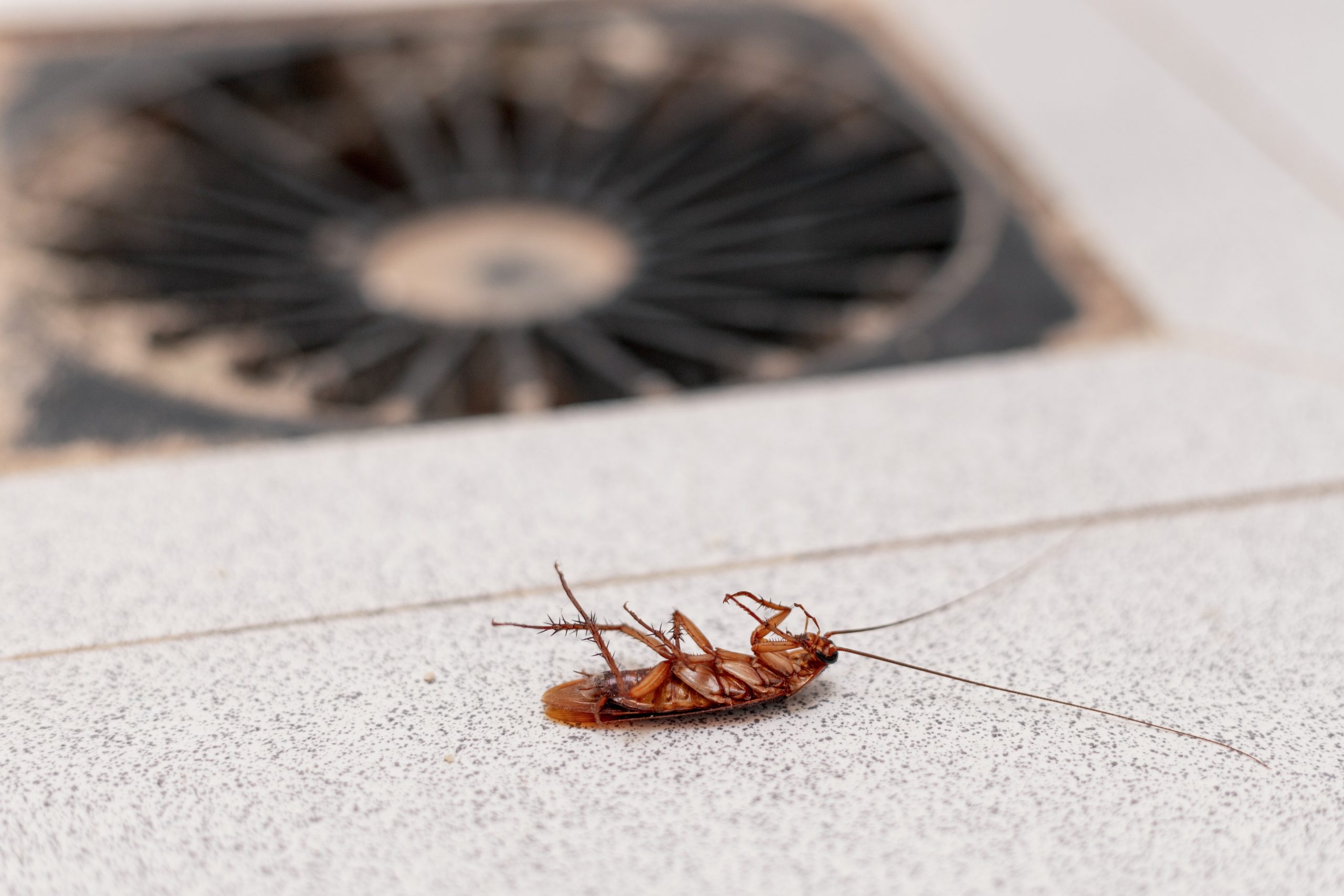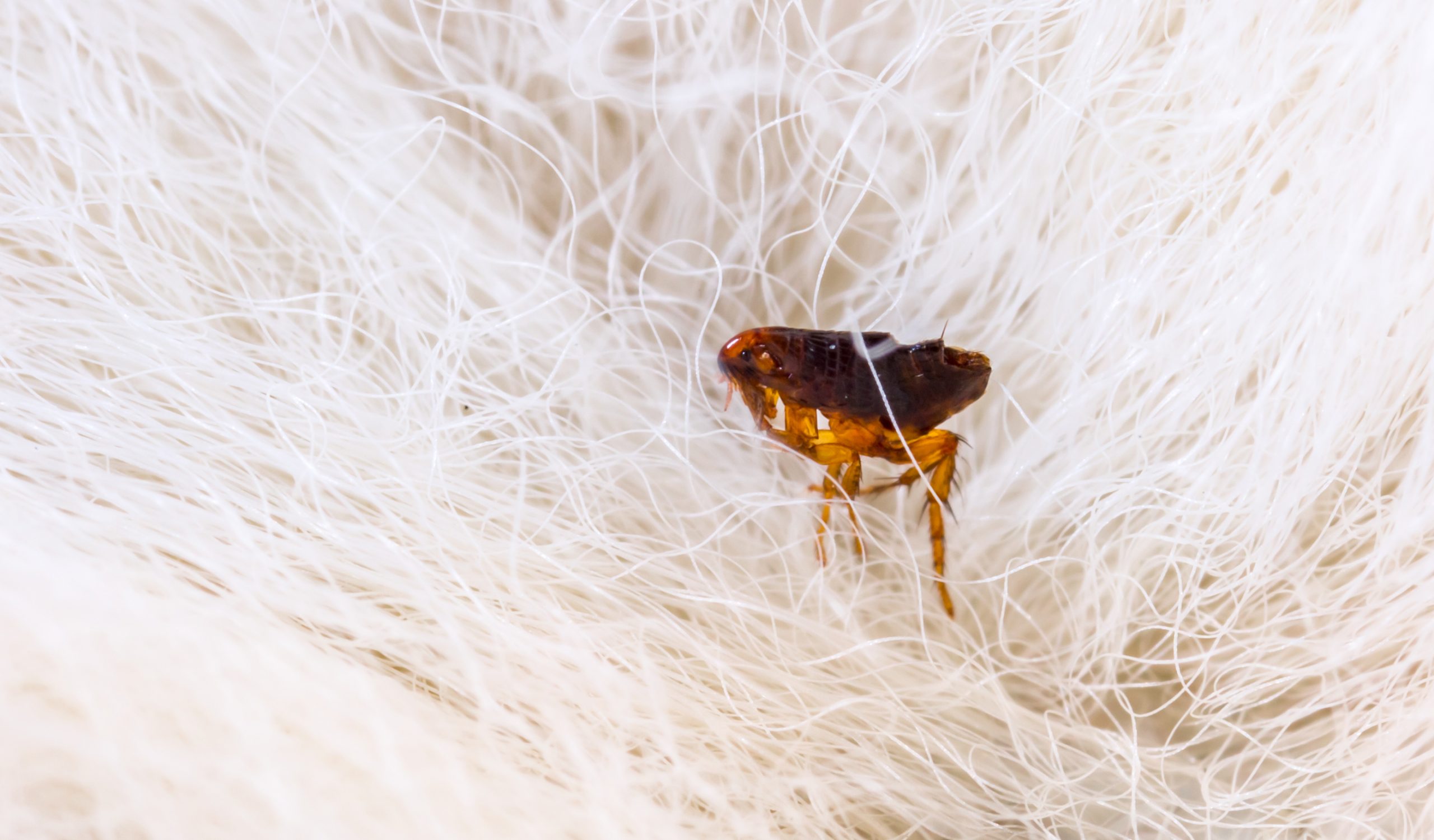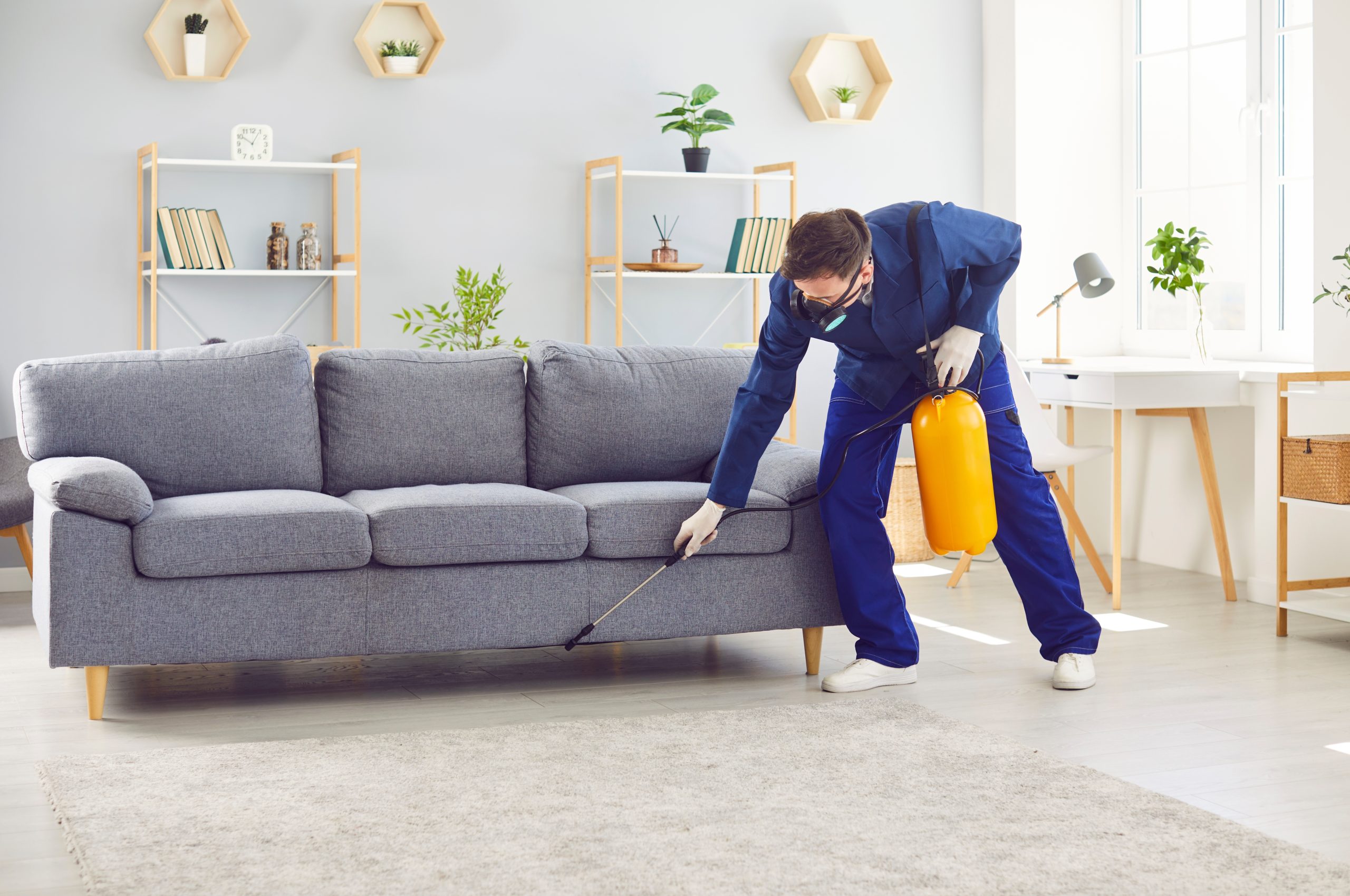
As leaves fall and weather gets colder in Grays, pests start looking for warm places to spend winter. Your home is exactly what they need. Living near the Thames means Grays homes face extra pest problems in autumn.
This guide shows you how to stop pests getting into your home.
Why Pests Come Inside in Autumn
When it gets cold, pests look for shelter, warmth, and food. During summer, mice, rats, and spiders live outside. But when autumn comes and food gets scarce, they move indoors.
Living near the Thames brings extra problems. Rats live along riverbanks, and when temperatures drop, they move inland to warmer spots. Older homes and properties near water face the biggest risks.
Common Autumn Pests in Grays
Mice are the most common autumn pest. They fit through gaps as small as a 5p coin and hide in roof spaces, walls, and under floors. One pair can have dozens of babies in months. They mess up food, chew wires, and make bad smells. Get professional mice removal before small problems get big.
Rats are bigger and cause more damage. Brown rats swim well and live in sewers or by the river before moving into buildings. They chew through wood, pipes, and cables, creating fire risks. They carry diseases in their urine and droppings. Rat control services are vital when rats move in.
Spiders look for mates in autumn, which is why you see more indoors. Most are harmless and eat other pests.
Cluster flies gather in roof spaces and walls during autumn. They come out on warm winter days and like south-facing walls.
How to Seal Your Home
Walk around your property looking for entry points. Check where pipes enter walls, around windows, and where materials meet.
Outside checks: Look for gaps around pipes and cables. Check airbrick mesh covers aren’t damaged. Fill cracks in walls. Check gaps under doors (add brush strips if needed).
Inside checks: Look under sinks where pipes go through walls. Check your loft for gaps. Look at gaps between skirting boards and floors.
Sealing: For small holes, push steel wool in first, then use foam. For medium gaps, use steel wool with cement. Large openings need brick, wood, or metal repairs. Use pipe collars around pipes.
Prevention Tips
Store food in sealed glass, metal, or thick plastic containers. Clean up spills quickly. Don’t leave dirty dishes out overnight.
Keep bin lids tight. Wash recycling. Only put black sacks out on collection morning.
Cut back plants against walls. Stack firewood away from buildings. Clear leaves. Remove bird feeders at dusk.
When to Get Professional Help
Get help if you see droppings (mouse droppings look like rice, rat droppings are bigger), hear scratching sounds at night, find chew marks on packets or wires, see even one mouse or rat, smell musty odours, or find nests made from shredded paper.
According to the British Pest Control Association, rats get more common in autumn when temperatures drop. They look for warm homes with food.
Pick a pest control company with proper insurance, RSPH Level 2 trained staff, and membership of professional bodies. Local companies know Grays pest problems and Thames-side challenges.
Autumn Action Plan
| Month | What to Do |
|---|---|
| September | Check and seal outside gaps. Clear garden |
| October | Check inside. Sort food storage |
| November | Watch for pests. Get professional check |
Conclusion
Start pest proofing in early September. Check your property, seal gaps, store food properly, and get help when needed. This keeps your Grays home pest free all winter.
Frequently Asked Questions
When should I start pest proofing?
Early September is best, before it gets very cold.
Can I use foam alone to block gaps?
No. Mice chew through foam. Push steel wool in first, then use foam.
How do I know if I have rats or mice?
Mouse droppings look like rice. Rat droppings are bigger. Call an expert if unsure.
Are autumn spiders coming from outside?
No. They’ve lived in your home all year. Males just move around more in autumn.