Running a restaurant or café in Billericay means maintaining the highest standards of food safety and hygiene. One critical aspect that can make or break your business is professional pest control. Understanding the legal requirements, common kitchen pests, and prevention strategies is essential for protecting your reputation and keeping your doors open.
Why Pest Control Matters for Billericay Restaurants
Your food hygiene rating directly affects customer confidence and business success. The Food Standards Agency operates the Food Hygiene Rating Scheme, where inspections assess three key areas: how hygienically food is handled, the physical condition of premises (including pest control), and food safety management systems. Even a single pest sighting during an inspection can result in a lower rating, damaged reputation, and lost customers.
Pests pose serious health risks to your customers and staff. Cockroaches, rodents, and flies carry harmful bacteria including Salmonella, E. coli, and Listeria. These pathogens contaminate food preparation surfaces, stored ingredients, and eating areas through droppings, urine, and direct contact. A foodborne illness outbreak linked to your establishment could lead to legal action, compensation claims, and potentially permanent closure.
Common Kitchen Pests in Billericay Restaurants
Cockroaches
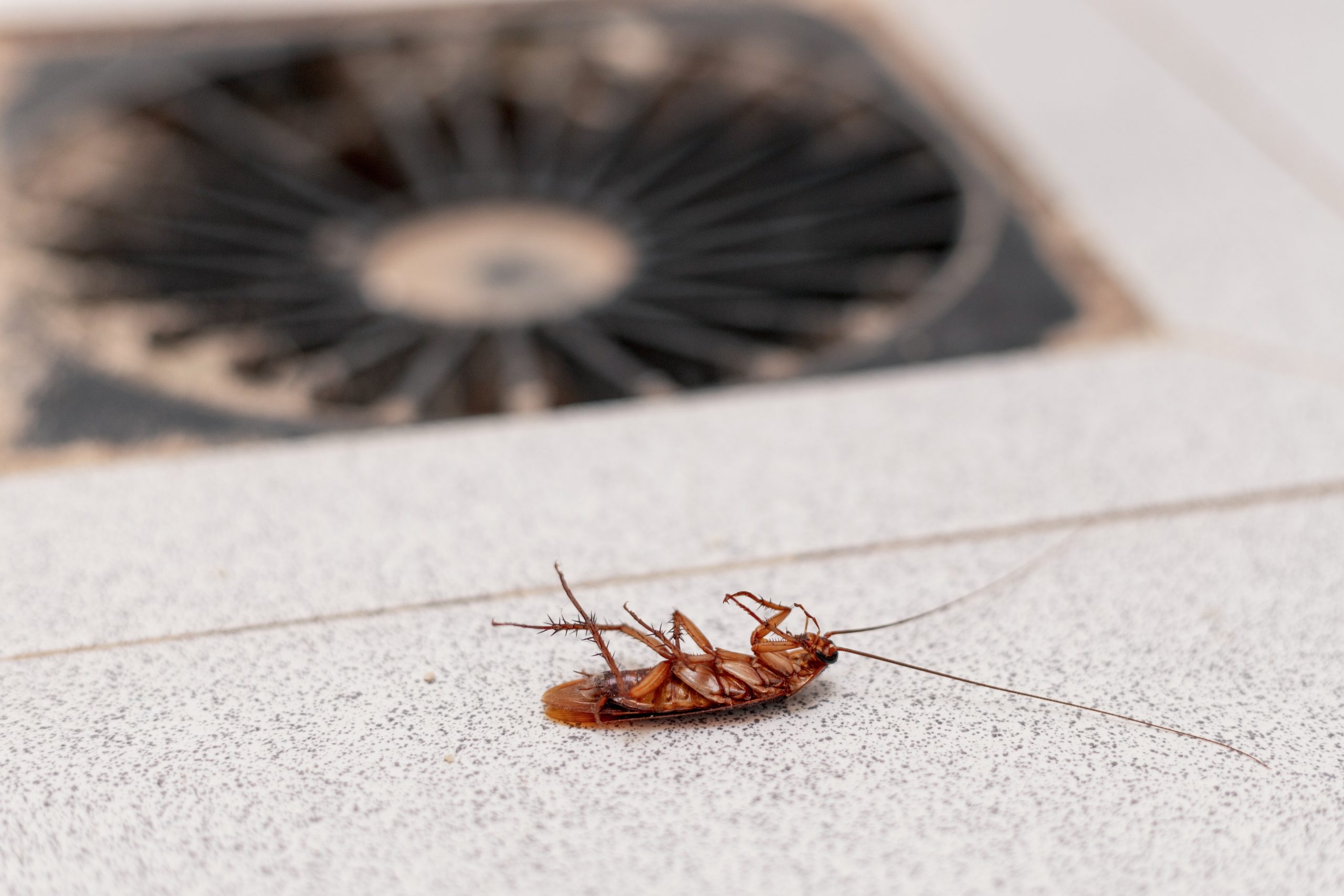
German cockroaches thrive in warm, humid commercial kitchens. These persistent pests hide in cracks around cooking equipment, inside electrical appliances, and beneath sinks during daylight hours. They emerge at night to feed on food debris and grease.
Professional cockroach removal tackles infestations at their source. Cockroaches multiply rapidly, with females producing up to 40 eggs every few weeks. A small problem quickly becomes a major infestation without expert intervention. These pests contaminate far more food than they consume, spreading disease through their droppings and the bacteria they carry on their bodies.
Rats and Mice
Rodents seek reliable food sources and warm shelter, making restaurants perfect targets. Rats can squeeze through gaps as small as two centimetres, whilst mice need openings barely larger than a pencil. They gnaw through packaging, contaminate stored food, and leave droppings throughout preparation areas.
Implementing proper rat control measures protects your business from serious damage. Rodents chew electrical wiring, creating fire hazards, and damage structural elements including insulation and wooden beams. Their constant gnawing causes expensive repairs, whilst contaminated stock must be immediately discarded.
Flies
House flies and fruit flies breed in decomposing organic matter, including drains, bins, and cleaning equipment. They land on waste, then transfer harmful bacteria directly onto food preparation surfaces and served dishes. Each fly can carry millions of disease-causing organisms on its body and legs.
Legal Requirements for Restaurant Pest Control
Food business operators must comply with strict regulations. The Food Safety Act 1990 requires you to ensure food is safe for consumption and take appropriate measures to prevent pest contamination. Environmental Health Officers inspect premises regularly, examining pest control measures as part of their assessment.
The Food Hygiene Regulations 2006 mandate effective pest management procedures. You must demonstrate proactive pest control, maintain detailed records of inspections and treatments, and respond immediately to any signs of pest activity. Failure to comply results in enforcement action, fines, or business closure.
How Pest Infestations Damage Your Business
Impact Area |
Consequences |
Recovery Time |
|---|---|---|
Food Hygiene Rating |
Drop from 5 to 2 or lower |
3-6 months minimum |
Customer Trust |
Negative reviews, social media damage |
6-12 months |
Financial Loss |
Stock disposal, deep cleaning, lost revenue |
£5,000-£20,000+ |
Legal Action |
Fines, compensation claims, closure orders |
12+ months |
Staff Morale |
Increased stress, potential resignations |
3-6 months |
Your reputation suffers immediately when customers spot pests. Online reviews spread quickly, warning potential diners away from your establishment. Recovering from pest-related negative publicity takes months or years, even after the problem is fully resolved.
Prevention Strategies for Commercial Kitchens
Effective pest prevention starts with thorough cleaning procedures. Food debris, grease, and spillages attract pests, so maintain spotless conditions throughout all kitchen areas. Clean behind and underneath cooking equipment daily, paying special attention to areas where crumbs and moisture accumulate.
Proper food storage prevents pest access. Store all ingredients in sealed containers raised off the floor. Implement a strict first-in-first-out system to minimise storage time. Check deliveries carefully before accepting them, as pests often enter premises through contaminated stock.
Seal potential entry points throughout your building. Inspect walls, floors, and ceilings for gaps and cracks. Install door sweeps on all external doors and ensure windows have intact fly screens. Pay particular attention to areas where pipes and cables enter the building, as these create easy access for rodents.
Waste management directly affects pest levels. Empty bins frequently and keep them clean with tight-fitting lids. Store refuse in designated areas away from food preparation zones. Arrange regular collections to prevent waste accumulation that attracts rats, flies, and cockroaches.
Benefits of Regular Professional Inspections
Professional pest control technicians identify problems before they escalate. Monthly or quarterly inspections by qualified experts detect early warning signs including droppings, gnaw marks, and pest pathways. Early intervention prevents small issues becoming serious infestations that threaten your business.
Expert technicians understand pest behaviour and biology. They know where different species hide, breed, and feed within commercial kitchens. This knowledge allows targeted treatments that eliminate current pests whilst preventing future problems. DIY approaches often miss hidden infestations and fail to address underlying causes.
Documentation from professional pest control provides evidence of due diligence during health inspections. Detailed records demonstrate your commitment to food safety and regulatory compliance. Environmental Health Officers look favourably on businesses with comprehensive pest management systems, potentially resulting in higher hygiene ratings.
Regular monitoring adapts to seasonal pest patterns. Different pests become problematic at different times of year. Summer brings increased fly activity, whilst autumn sees rodents seeking indoor shelter. Professional technicians adjust prevention strategies throughout the year, maintaining consistent protection.
Nature’s Way’s Experience with Essex Commercial Properties
With over 30 years serving Essex businesses, Nature’s Way understands the unique challenges facing Billericay restaurants. Our RSPH Level 2 trained technicians provide discreet, effective pest control that protects your reputation whilst maintaining normal operations.
We work with restaurants, cafés, takeaways, and commercial kitchens across Billericay and surrounding areas. Our experience includes independent establishments, chain restaurants, hotel kitchens, and catering facilities. Each business receives customised treatment plans addressing specific risks and requirements.
Our approach combines immediate pest elimination with long-term prevention. We identify conditions attracting pests to your premises and provide practical recommendations for lasting protection. Regular follow-up visits ensure treatments remain effective and new problems are caught early.
We pride ourselves on working within the latest industry guidelines whilst maintaining full commitment to responsible environmental procedures. Our methods prioritise safety for your staff, customers, and the wider environment. As members of the National Pest Technicians Association, we uphold the highest professional standards.
Taking Action to Protect Your Restaurant
Don’t wait for pest problems to damage your business. Proactive pest control maintains your hard-earned reputation and protects customer health. Environmental Health Officers can arrive for inspections without warning, so ensure your premises meet requirements every single day.
Contact Nature’s Way for a comprehensive assessment of your Billericay restaurant or café. Our experienced team provides honest advice, competitive pricing, and guaranteed results. We understand the pressure of running a food business and work efficiently to minimise disruption to your operations.
Professional pest control represents an investment in your business’s future. The cost of regular inspections and preventative treatments is minimal compared to the financial damage from infestations, poor hygiene ratings, or closure orders. Protect your investment, your reputation, and your customers by partnering with experienced pest control professionals.
According to the Food Standards Agency, the physical condition of your premises including pest control measures is one of three key elements assessed during food hygiene inspections. Demonstrating effective pest management systems helps achieve and maintain the highest possible rating.
Frequently Asked Questions
How often should restaurants arrange professional pest control inspections?
Most commercial kitchens benefit from monthly pest control visits. High-risk establishments including those with previous pest issues, properties near refuse areas, or older buildings may require fortnightly inspections. Lower-risk premises might manage with quarterly visits, though monthly monitoring provides optimal protection and better demonstrates due diligence during health inspections.
What signs indicate a restaurant has a pest problem?
Common warning signs include droppings (particularly around food storage and preparation areas), gnaw marks on packaging or structures, grease marks along walls where rodents travel, unusual smells, damaged stock, and sightings of live or dead pests. Cockroach droppings appear as small dark specks, whilst rodent droppings are larger and distinctly shaped. Any of these signs requires immediate professional attention.
Can a single pest sighting affect my food hygiene rating?
Yes, absolutely. Environmental Health Officers may lower your rating if they observe pest activity, droppings, or conditions conducive to infestations during inspections. Even without visible pests, inadequate pest control measures or poor maintenance can result in lower scores. The Food Hygiene Rating Scheme specifically assesses pest control as part of evaluating premises condition.
What should restaurant owners do immediately after discovering pests?
Contact a professional pest control company straight away for an urgent inspection and treatment. Remove and dispose of any contaminated food or packaging. Conduct thorough cleaning and disinfection of affected areas. Document the issue, your response, and subsequent treatments for your food safety records. If the infestation is severe, you may need to temporarily close affected areas until the problem is fully resolved.