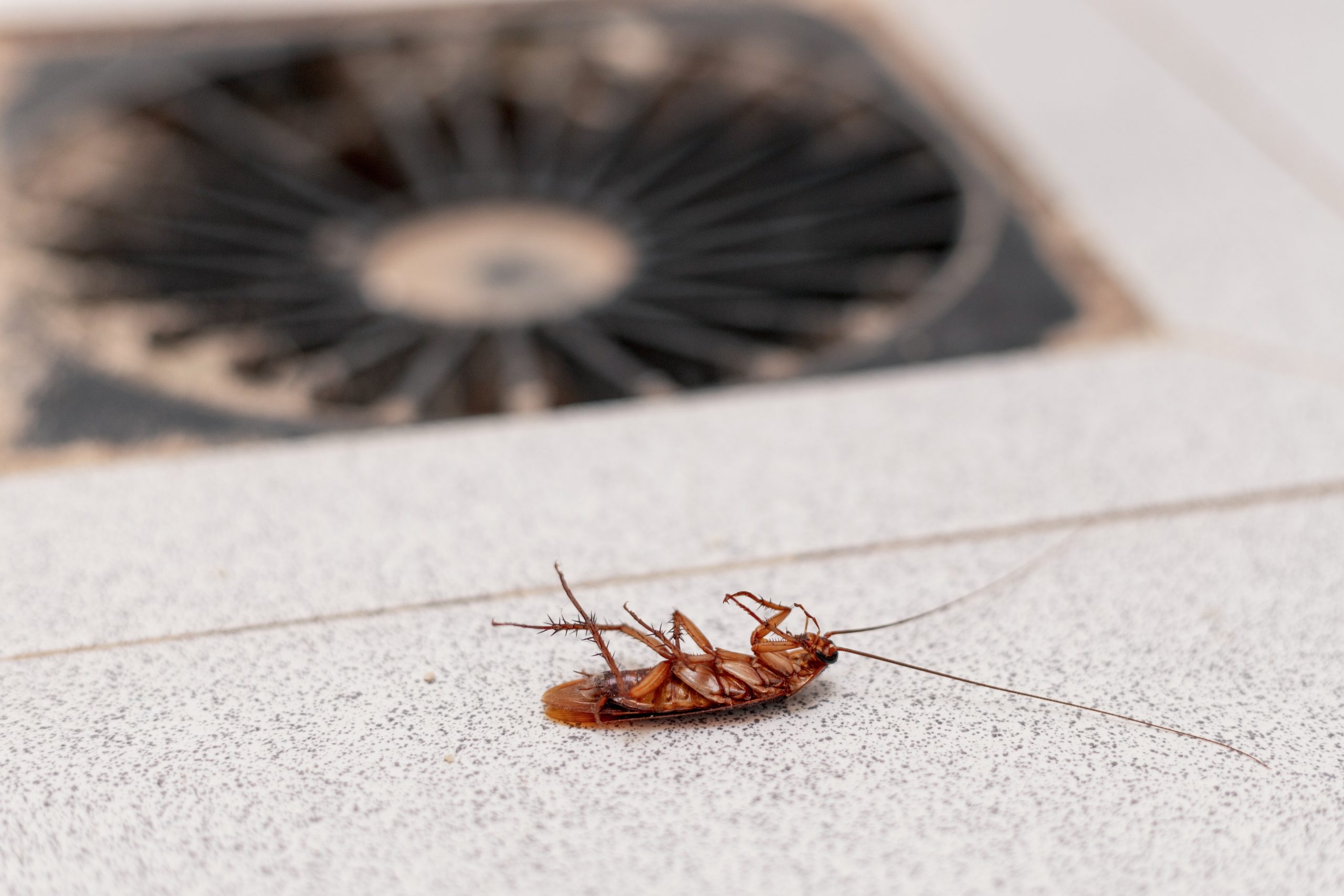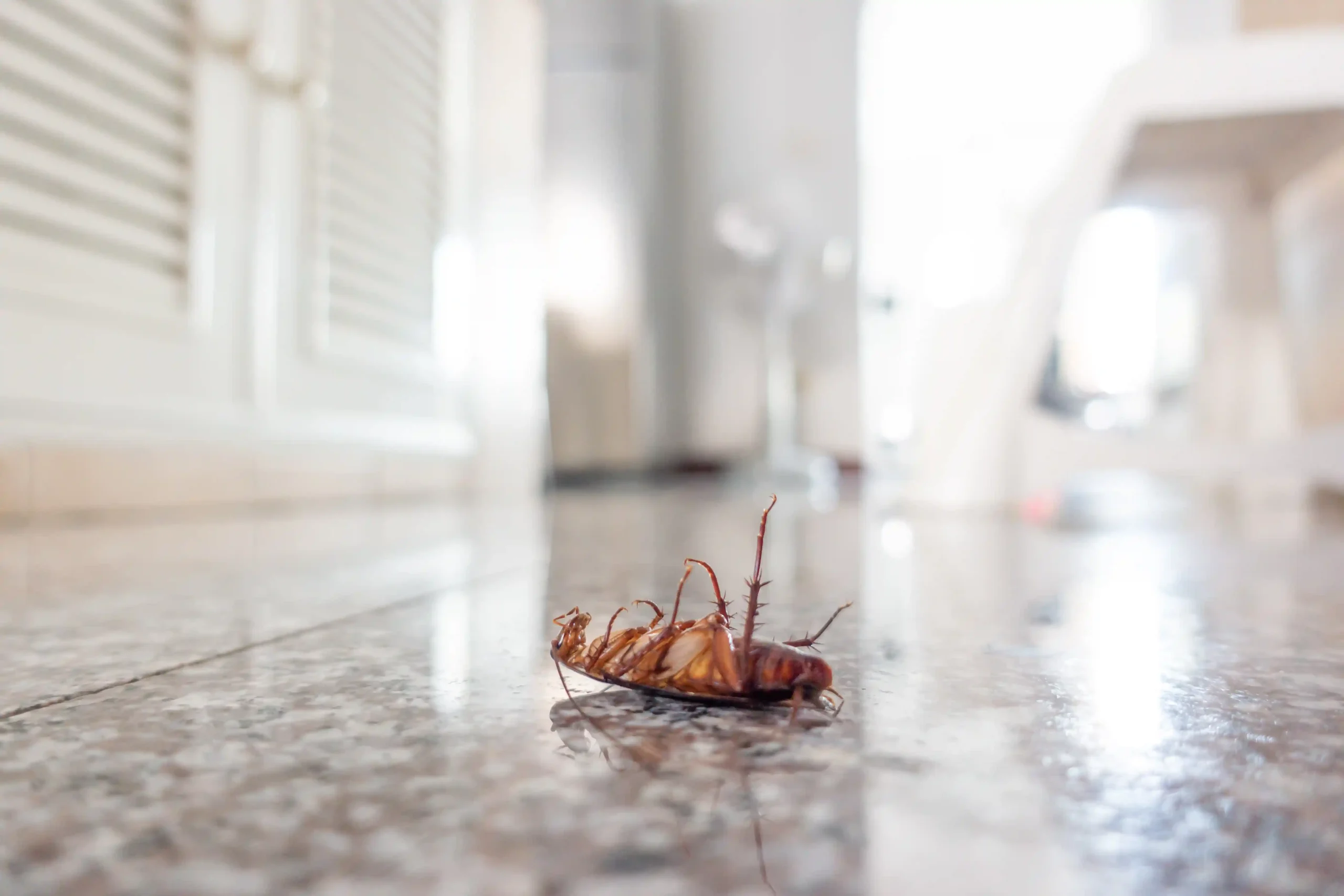
Finding a cockroach in your business premises is every owner’s nightmare. These pests damage your reputation, risk your food hygiene rating, and can lead to prosecution if left unchecked. For Essex businesses, particularly those handling food, cockroach prevention is not optional. It is essential.
The good news is that cockroaches do not appear randomly. They need specific conditions to survive. By understanding what attracts them and taking proper precautions, you can protect your business from these unwanted visitors.
Why Cockroaches Are a Serious Business Risk
Cockroaches are not just unpleasant. They pose genuine risks to your business:
- They carry bacteria including Salmonella and E. coli
- Their droppings and shed skins trigger allergies and asthma
- A single sighting can devastate your reputation
- Food businesses face closure notices and prosecution
- Insurance claims may be rejected if prevention was inadequate
According to the Food Standards Agency, your premises must allow you to follow good food hygiene practices, including protection against contamination and pest control. Failure to comply puts your licence at risk.
Common Cockroach Species in Essex
| Species | Size | Appearance | Preferred Environment |
|---|---|---|---|
| German cockroach | 12 to 15mm | Light brown with two dark stripes | Warm, humid areas such as kitchens and behind appliances |
| Oriental cockroach | 20 to 25mm | Dark brown or black, shiny | Cooler, damp areas such as basements and drains |
| American cockroach | 30 to 40mm | Reddish-brown | Warm, moist areas such as drains and boiler rooms |
German cockroaches are the most common in UK businesses. They breed rapidly and prefer the warmth found in commercial kitchens. Oriental cockroaches often enter through drains and external openings.
How Cockroaches Enter Business Premises
Understanding entry points helps you block them:
- Gaps around pipes and cables entering buildings
- Cracks in walls, floors, and around door frames
- Drain covers and inspection chambers
- Deliveries hiding in cardboard boxes and packaging
- Second-hand equipment brought into premises
- Staff belongings from infested homes
Cockroaches are experts at hiding. They are flat enough to squeeze through tiny gaps and only need the width of a coin to gain access.
Essential Prevention Measures
Cleaning Protocols
Cockroaches need food and water to survive. Remove these, and your premises become far less attractive:
- Clean thoroughly behind and under equipment daily
- Wipe down surfaces after each use
- Clear grease traps and drains regularly
- Never leave dirty dishes overnight
- Empty bins before closing each day
- Clean floor drains with enzyme cleaners weekly
Even small amounts of grease, crumbs, or spilled liquids provide enough nutrition for cockroaches. A single dirty area can sustain a colony.
Storage Practices
How you store food and supplies matters:
- Keep all food in sealed containers, not original cardboard boxes
- Store items off the floor on shelving
- Follow first-in-first-out stock rotation
- Inspect deliveries before accepting them
- Break down cardboard boxes and remove from premises quickly
- Keep storage areas dry and well-ventilated
Cardboard is particularly risky. Cockroach eggs are often transported in packaging, and the material provides ideal harbourage.
Building Maintenance
Physical barriers stop cockroaches getting in:
- Seal gaps around pipes with appropriate filler
- Install brush strips under doors
- Fit mesh covers on air vents and drain outlets
- Repair cracks in walls and floors promptly
- Ensure external doors close fully
- Check and maintain drain seals
A professional building survey can identify vulnerabilities you might miss. Investing in proofing is always cheaper than treating an infestation.
Inspection Schedules
Regular checks catch problems early. Create a routine:
Daily checks:
- Food preparation areas after cleaning
- Around bins and waste storage
- Under sinks and around drains
Weekly checks:
- Behind and under appliances
- Storage areas and shelving
- Staff changing rooms and lockers
- Delivery reception areas
Monthly checks:
- Roof spaces and ceiling voids
- Basement and plant rooms
- External perimeter of building
- Drain inspection chambers
Document your inspections. Records show due diligence if problems arise and help identify patterns.
Warning Signs to Watch For
Spot these signs early and act immediately:
- Live cockroaches (especially during daylight, which indicates high population)
- Droppings, which are small dark specks often in corners and crevices
- Egg cases (oothecae), which are dark brown capsules around 8mm long
- Shed skins, as cockroaches moult several times as they grow
- Musty odour, as large infestations produce a distinctive smell
- Smear marks, which are brown streaks on horizontal surfaces
What to Do If You Find Cockroaches
Do not panic, but act quickly:
- Identify the location and extent of the problem
- Avoid disturbing the area as this scatters cockroaches
- Contact professional pest control immediately
- Review and clean the affected area
- Check nearby areas for spread
- Examine recent deliveries as a possible source
For food businesses, you must report pest problems to your local Environmental Health Officer. Being proactive demonstrates good management and usually results in support rather than enforcement.
Professional cockroach removal uses targeted treatments that consumer products cannot match. Cockroaches have developed resistance to many common insecticides, making professional intervention essential.
The Value of Ongoing Commercial Pest Control
One-off treatments are not enough for businesses. Commercial pest control contracts provide:
- Regular scheduled inspections
- Early detection before customers or inspectors notice
- Professional monitoring systems
- Documented evidence of due diligence
- Rapid response if problems develop
- Expert advice on prevention
For food businesses, contract pest control is effectively mandatory. Environmental Health Officers expect to see evidence of professional pest management during inspections.
At Nature’s Way, we have provided pest control in Essex businesses rely on for over 30 years. Our RSPH Level 2 trained technicians understand the specific challenges facing shops, restaurants, warehouses, and offices across Chelmsford, Southend, Basildon, Brentwood, and surrounding areas.
FAQs
How quickly can cockroaches infest a business?
Very quickly. German cockroaches breed rapidly. A single female produces up to 40 eggs every few weeks. In warm conditions with food available, a small number can become thousands within months. Early detection and fast response are critical.
Will cockroaches spread from one business to neighbouring premises?
Yes. Cockroaches move through shared walls, ducting, and drain systems. If you are in a terrace of shops or a multi-unit building, an infestation next door can easily spread to your premises. Coordinated treatment across affected units is often necessary.
Can cockroaches survive cleaning products and disinfectants?
General cleaning products do not kill cockroaches. While keeping premises clean removes their food sources, cockroaches can survive on minimal nutrition. They also resist many common insecticides. Professional treatment using appropriate products is needed to eliminate established populations.
How often should a business have professional pest inspections?
Food businesses typically need monthly inspections. Other commercial premises benefit from quarterly visits at minimum. High-risk environments or premises with previous problems may need more frequent monitoring. Your pest control provider can recommend an appropriate schedule based on your specific situation.
Nature’s Way Pest Control provides specialist commercial pest control across Essex. With over 30 years of experience and NPTA membership, we help businesses maintain pest-free premises and pass inspections with confidence. Contact us today for a free business assessment.