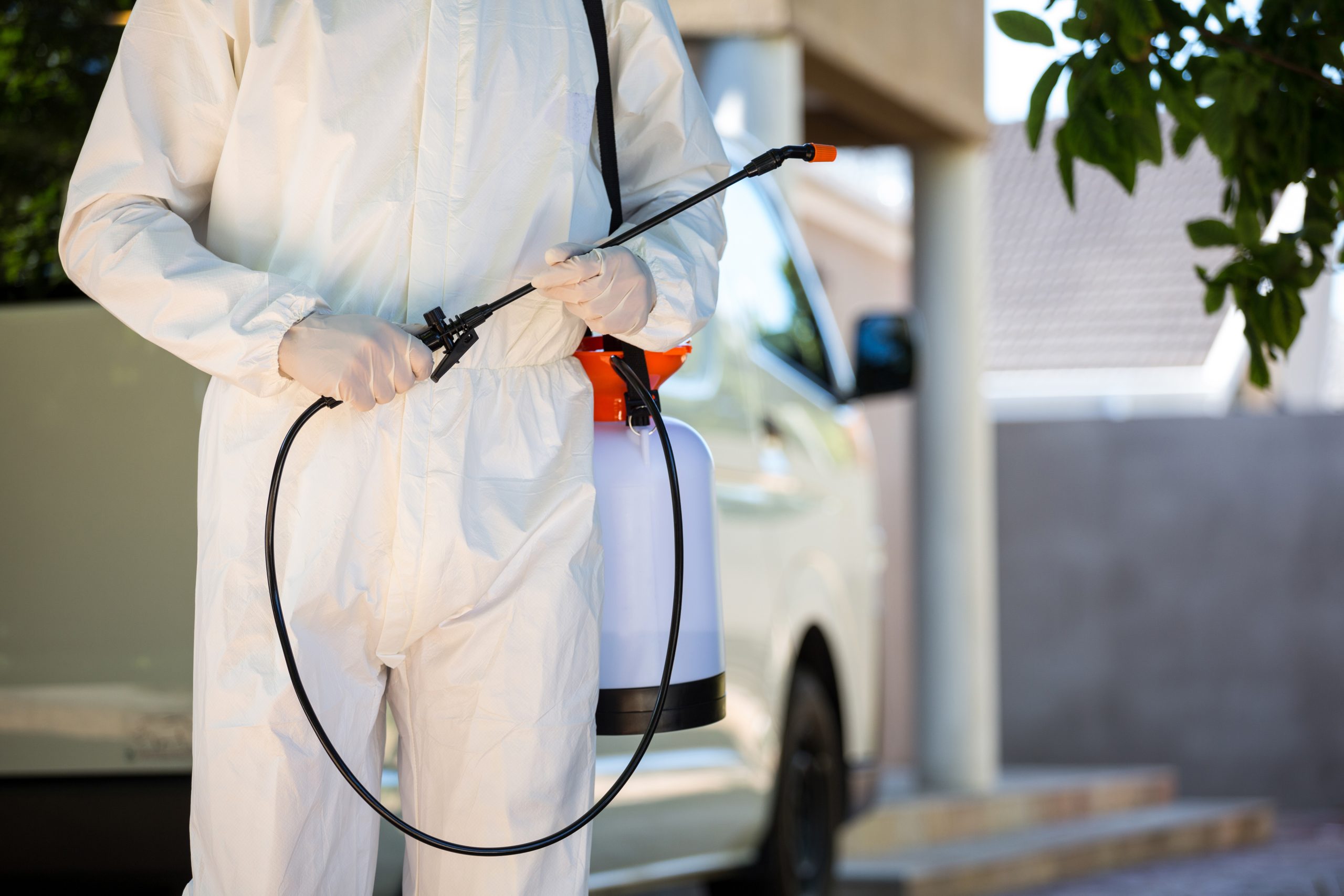
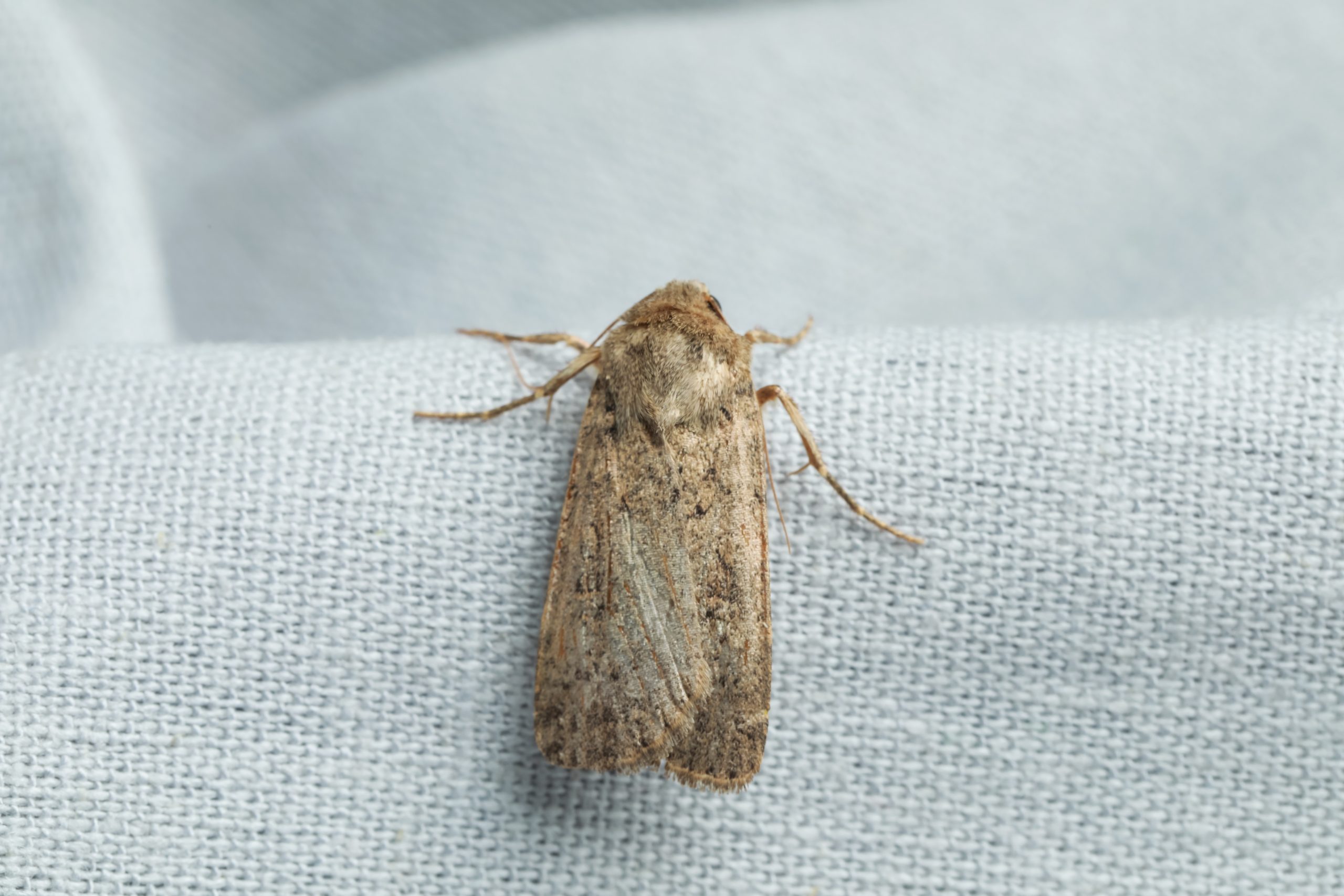
You might be tempted to tackle wasp control on your own, especially with so many DIY methods promising quick results. However, the safety of your family and pets should be your top priority. While using natural repellents and homemade traps can minimise chemical exposure, they still require careful handling. Wasps can become aggressive if provoked, posing obvious risks. Additionally, the choice between chemical and non-toxic solutions isn’t always straightforward. So, how do you ascertain that your approach is both effective and safe? There are several factors to evaluate before you take action.
Key Takeaways
– DIY methods like natural repellents and traps reduce toxin exposure, minimising risks to family and pets.
– Homemade traps using plastic bottles and safe bait provide chemical-free control.
– Monitoring pets during wasp control is crucial to prevent accidental stings and exposure.
– Protective gear and proper application techniques minimise personal exposure to wasps and repellents.
– Seeking professional help is advisable for severe infestations or if allergies are a concern.
Understanding Wasp Behavior
Wasps, fascinating social insects, exhibit complex behaviours that are vital for their survival and colony dynamics. Understanding these behaviours can help you better manage and control them.
Wasps often construct nests in sheltered locations such as under eaves, inside wall cavities, or underground. Their nesting habits are highly organised, with a queen initiating the construction by building a small nest to lay her eggs. Worker wasps then expand the nest, creating a series of hexagonal cells made from chewed wood fibres mixed with saliva, forming a paper-like material.
You might notice that wasps are particularly active during warm months. Their foraging patterns are essential as they seek out food to sustain the colony. Wasps primarily forage for proteins like insects to feed their larvae and carbohydrates such as nectar for their own energy needs.
They’re drawn to sugary substances, which is why you often find them around open soda cans or fruit. By understanding these nesting habits and foraging patterns, you can anticipate their behaviour and take preventative measures to minimise their presence.
This knowledge is fundamental when considering how to control wasp populations safely and effectively.
Common DIY Control Techniques
Armed with an understanding of wasp behaviour, you can now explore effective DIY control techniques to manage their presence. One popular method involves using traps. You can construct a simple trap by cutting the top off a plastic bottle and inverting it into the base, creating a funnel. Fill the bottle with a sweet liquid like sugar water or fruit juice to lure wasps inside. This method’s effectiveness depends on strategic placement and regular maintenance.
Position traps away from high-traffic areas to minimise human and pet exposure while ensuring they attract wasps.
Additionally, natural repellents offer an alternative approach. Essential oils, such as peppermint or clove, can deter wasps without relying on harsh chemicals. You can mix these oils with water and a small amount of dish soap in a spray bottle.
Applying this mixture to known nesting sites or areas where wasps frequent may reduce their activity. While natural repellents provide a less invasive solution, their effectiveness varies based on concentration and application frequency.
Potential Risks to Family
When implementing DIY wasp control methods, it’s crucial to take into account the potential risks to your family. One of the primary concerns is wasp allergies. You mightn’t be aware that someone in your household has a wasp allergy until they get stung. Reactions can range from mild skin irritation to severe anaphylaxis, which requires immediate medical attention. As a result, when dealing with wasp nests, you should assess the risk of exposing family members to stings.
DIY methods often involve the use of chemicals or homemade solutions, which can impact family health. Many over-the-counter insecticides contain toxic substances that may pose respiratory risks if inhaled. These chemicals can linger in the air or settle on surfaces, leading to accidental ingestion, particularly with young children around.
If you’re using natural remedies, verify they’re safe and non-toxic to avoid any adverse reactions. Additionally, your actions can inadvertently provoke wasps, increasing aggression and the likelihood of multiple stings. This is especially dangerous if family members are nearby.
To minimise these risks, always follow safety instructions meticulously and consider consulting a professional if the situation seems beyond safe DIY management.
Hazards to Pets
In addition to family members, your pets also face significant risks from DIY wasp control methods. Wasps, when agitated, can become aggressive, posing a threat to curious pets. If your pet gets stung, they may exhibit wasp toxicity symptoms such as swelling, difficulty breathing, or vomiting. These symptoms require immediate veterinary attention to prevent severe reactions.
It’s essential to closely monitor your pets when attempting any wasp control, as they might unknowingly venture into dangerous areas.
To guarantee pet safety, take several precautions. First, restrict your pet’s access to areas where you’re applying DIY methods. Physical barriers or temporary relocation to another part of your home can prevent accidental exposure.
Additionally, always clean up any materials used in your DIY efforts, as pets are prone to ingesting or coming into contact with substances they shouldn’t.
Additionally, familiarise yourself with the specific plants and tools you’re using. Some natural deterrents, while effective against wasps, might be toxic to pets.
Chemical Exposure Concerns
Chemical exposure is a significant concern when employing DIY wasp control methods. When you use pesticides or insecticides, you introduce various chemicals into your environment. These substances can undergo chemical reactions, potentially releasing harmful byproducts.
It’s important to take into account how these reactions can affect not only the wasps but also your household’s health. If not handled correctly, these chemicals can linger in the air, settle on surfaces, or even seep into the soil, leading to unintended exposure.
The long term effects of such chemical exposure can be far-reaching. Prolonged contact with certain pesticides has been linked to respiratory issues, skin irritation, and even neurological problems in both humans and pets.
Children and animals are particularly vulnerable due to their smaller body sizes and developing immune systems, which can absorb chemicals more readily. Additionally, improper storage or usage of these products can increase the risk of accidental exposure.
It’s vital to read labels thoroughly and understand the potential risks associated with each chemical you use. Always wear protective gear, verify adequate ventilation, and store chemicals safely to minimise exposure.
Taking these precautions can help mitigate potential health risks.
Non-Toxic Alternatives
Exploring non-toxic alternatives for wasp control can greatly reduce the health risks associated with chemical exposure. One effective approach involves using natural repellents. These are substances that deter wasps without harming them or introducing toxins into your environment.
Essential oils like peppermint, lemongrass, and clove have been scientifically shown to repel wasps. You can create a repellent spray by mixing these oils with water and a small amount of dish soap, then apply it to common wasp entry points.
Additionally, homemade traps offer a chemical-free way to manage wasp populations. You can construct these traps using simple materials like a plastic bottle, which is cut and inverted to form a funnel.
Fill the trap with a mixture of sugar water or apple cider vinegar, which acts as a safe bait to lure the wasps inside. Once inside, they struggle to escape.
Safe Application Tips
When employing non-toxic alternatives like natural repellents and homemade traps, understanding safe application tips guarantees effectiveness while minimising potential risks. It’s vital to follow specific guidelines to protect your family, pets, and environment. Here are essential tips for safely applying these methods:
- Identify Active Areas: Before you apply any natural repellents or set homemade traps, identify areas where wasps are most active. This allows you to strategically place solutions, maximising effectiveness and minimising exposure to non-target areas. Observing wasp flight paths and nest locations helps in pinpointing these spots.
- Follow Product Instructions: Whether you’re using commercial natural repellents or creating homemade solutions, always adhere to the recommended guidelines. Measure ingredients accurately and apply them at the suggested frequencies. This guarantees the potency of the repellent while preventing overuse, which could inadvertently harm plants or pets.
- Implement Preventive Measures: Beyond immediate control, employ preventive measures to deter future wasp activity. Seal entry points into your home, remove food and debris that attract wasps, and maintain regular inspections of your outdoor spaces.
These steps help in creating an environment less conducive to wasp habitation, reducing the need for frequent interventions.
When to Seek Professional Help
Occasionally, despite your best efforts with DIY methods, wasp infestations may become overwhelming or pose significant risks. Understanding the wasp life cycle is essential; a nest can rapidly grow in size as eggs develop into larvae, then into adult wasps.
If the nest location is inaccessible, such as within wall cavities or high eaves, DIY attempts might prove ineffective or hazardous. Wasps can become aggressive, especially late in their life cycle, posing risks to your family and pets.
You should seek professional help if you’re unable to safely identify the nest location or if multiple nests appear in close proximity. Professionals have the expertise to assess the situation, taking into account the species, size, and activity level of the nest.
They use specialised equipment and insecticides that may not be available to the general public, ensuring a thorough and safe removal process.
Additionally, if anyone in your household is allergic to wasp stings, it’s essential to prioritise safety over attempting DIY solutions. While DIY methods work in some cases, professional intervention offers a more detailed approach to managing and eliminating wasp infestations effectively.
Frequently Asked Questions
How Do I Identify Different Types of Wasps Around My Home?
To identify different wasp species around your home, examine their size, colour, and behaviour. Focus on nest identification: paper wasps have umbrella-like nests, yellowjackets nest underground, and hornets build large, enclosed nests often in trees.
Are Wasps Beneficial to the Ecosystem or Garden in Any Way?
You’ll find that wasps play important ecological roles. They control pest populations, pollinate plants, and contribute to biodiversity. Understanding wasp benefits helps appreciate their place in the ecosystem, supporting a balanced garden environment.
What Are the Signs of a Wasp Allergy in Humans and Pets?
You’ll notice wasp sting symptoms include swelling, redness, and pain. Allergic reactions manifest as difficulty breathing, hives, or vomiting. Pets may show excessive drooling, lethargy, or agitation. Immediate medical attention is essential for severe symptoms.
Can Weather Conditions Affect the Effectiveness of DIY Wasp Control Methods?
Yes, weather conditions greatly impact your DIY wasp control efforts. Temperature impacts wasp activity levels, while humidity effects can alter the effectiveness of your treatments, potentially reducing their potency or causing them to dissipate more quickly.
How Can I Prevent Wasps From Returning After Removal?
Oh, you want to keep wasps away? Try removing nests with flair, use natural repellents like a seasoned pro, modify habitats with gusto, and time your actions seasonally. Science says this’ll help reduce their unwelcome return.
Conclusion
Just as Odysseus navigated the perilous seas, you can safely manage wasps with careful planning. Prioritise natural repellents and homemade traps to minimise chemical exposure, keeping your family and pets out of harm’s way. Monitor them closely, especially in areas with active wasp presence, and wear protective gear. Seek professional help if the infestation’s complexity rivals the trials of Hercules. By taking these precautions, you guarantee a safe, wasp-free environment for everyone.