You have spotted a pest problem. You head to the hardware shop, buy some traps or spray, and hope for the best. A few days later, the problem is still there, maybe even worse. Sound familiar?
DIY pest control seems like the obvious first step. It is cheaper, quicker, and feels proactive. But in many cases, those shop-bought products simply do not work the way you expect. Understanding why can save you time, money, and frustration.
The Appeal of DIY Solutions
It is easy to see why people try to handle pest problems themselves. Shop-bought products are cheap and readily available. Nobody wants strangers in their home if they can avoid it. And for small problems, a quick fix seems sensible.
Sometimes DIY methods do work, particularly for one-off encounters or very early-stage issues. But when dealing with established infestations, the success rate drops dramatically.
Common Reasons DIY Pest Control Fails
| Problem | Why It Happens | The Result |
|---|---|---|
| Wrong product | Pests misidentified or wrong treatment chosen | No effect on the pest |
| Incorrect application | Instructions not followed precisely | Reduced effectiveness |
| Treating symptoms | Visible pests killed but source remains | Problem returns quickly |
| Resistance | Pests have developed immunity to common products | Products do not work |
| Insufficient strength | Consumer products are weaker than professional ones | Inadequate treatment |
| Safety concerns | Fear of chemicals leads to under-application | Poor results |
Product Limitations
The products available in shops are designed for consumer safety. This means they are often weaker than professional-grade treatments. What seems like the same active ingredient might be present at much lower concentrations.
Professional pest controllers have access to products that simply are not available to the public. These stronger formulations work faster and more effectively. They are also applied using specialist equipment that ensures proper coverage.
Shop-bought sprays, for example, might kill the pests you can see. But they rarely penetrate into wall cavities, under floors, or into nesting sites where the majority of the population lives.
Missing the Source
This is perhaps the biggest reason DIY efforts fail. Killing visible pests feels productive, but it is often just scratching the surface.
Consider an ant problem. You might see a trail of ants crossing your kitchen floor and spray them. The visible ants die. But the colony, containing thousands more ants, remains untouched elsewhere. Within days, new trails appear.
The same applies to rodents. Catching one mouse in a trap does not address how mice are getting in, where they are nesting, or how many others are present. Professional pest control always starts with identifying and treating the source, not just the symptoms.
According to the British Pest Control Association, for any infestation they would always recommend contacting a professional pest management company who are trained and have access to professional-use products not available to the public.
Pest Resistance
Many common pests have developed resistance to widely-used pesticides. This is especially true for:
- German cockroaches resistant to pyrethroid sprays
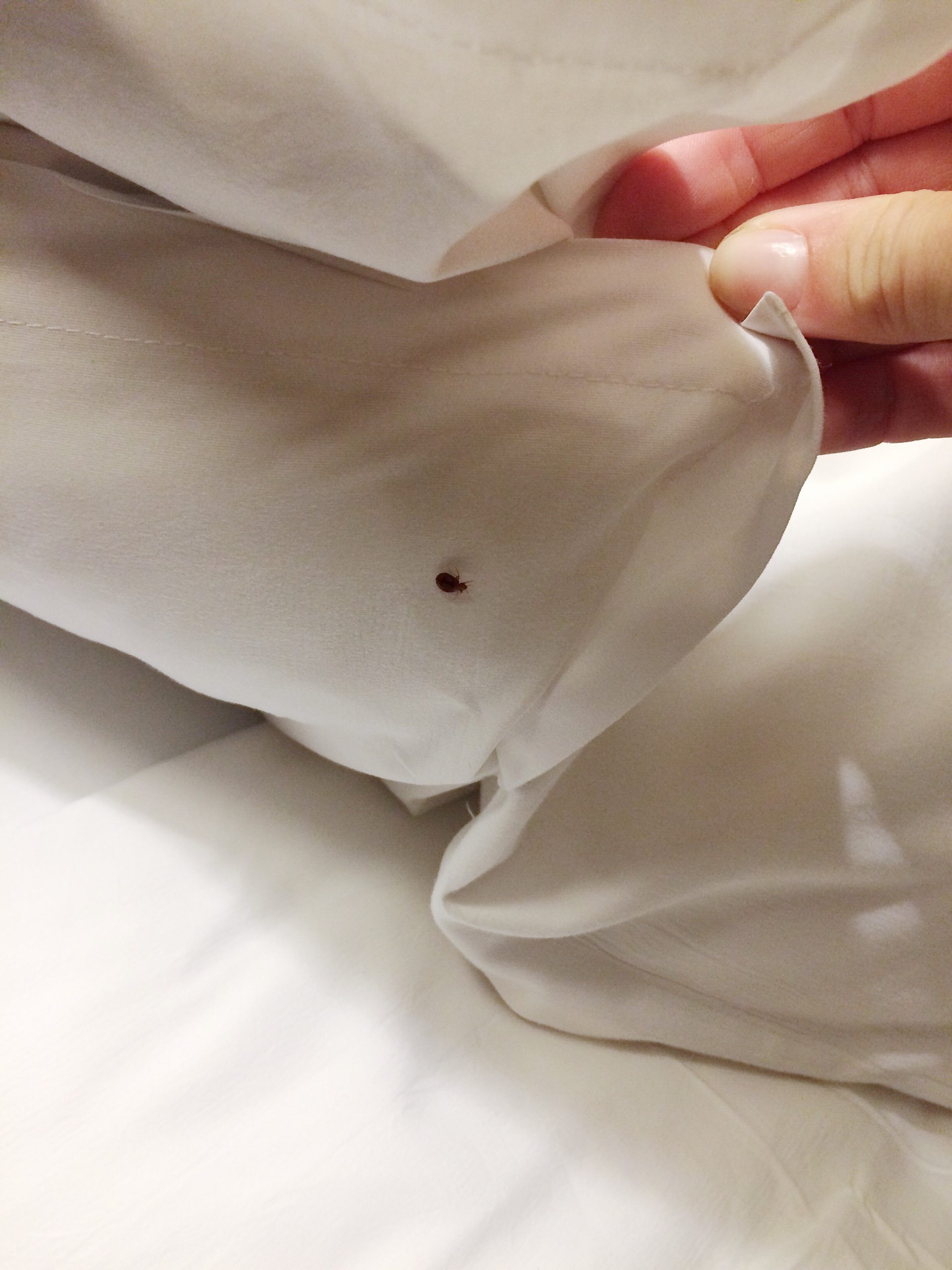
- Bedbugs that survive standard insecticides
- Rats immune to first-generation anticoagulants
If you are using the same type of product that has been on shop shelves for years, there is a real chance the pests in your area have encountered it before. Their offspring inherit resistance, making each generation harder to treat.
Professional pest controllers know which products still work in specific areas and can rotate active ingredients to overcome resistance.
Incorrect Application
Even effective products fail when used incorrectly. Common mistakes include:
- Applying too little product
- Not treating all affected areas
- Missing entry points and harbourages
- Not following up with repeat treatments
- Using products in wrong conditions (temperature, humidity)
Instructions on consumer products often oversimplify application. Professional training covers the science behind pest treatments, when products work best, how pests behave, and where to apply for maximum effect.
Safety Concerns Leading to Under-Treatment
Many people worry about using pesticides around their families and pets. This is completely understandable. But this concern often leads to under-application, where products are used too sparingly to be effective.
Professional pest controllers are trained in safe application. They know which products can be used in different settings, how to protect non-target areas, and how to achieve effective treatment whilst minimising risk.
The Hidden Costs of Failed DIY
That cheap can of spray might seem like good value. But when DIY treatments fail, the true costs add up:
- Multiple products purchased over weeks or months
- Time spent researching, applying, and monitoring
- Damage caused while the problem continues
- Health risks from prolonged exposure to pests
- Stress and disruption to daily life
- Eventually calling professionals anyway, but now facing a larger problem
In many cases, calling local pest control from the start would have been cheaper and resolved the issue much faster.
When to Call the Professionals
Some situations always warrant professional help:
- Repeated sightings despite DIY efforts
- Signs of established nesting or breeding
- Pests in hard-to-reach areas
- Health-sensitive environments (kitchens, nurseries)
- Protected species (some wildlife requires licensed handling)
- Commercial premises with regulatory requirements
If you are in Essex and dealing with persistent pest problems, pest control in Chelmsford homeowners trust can make all the difference.
What Professional Pest Control Offers
Professional services go far beyond stronger products. Trained technicians provide:
- Accurate pest identification
- Understanding of biology and behaviour
- Assessment of infestation scale
- Treatment of the source, not just symptoms
- Entry point identification and proofing advice
- Follow-up visits to ensure success
- Guaranteed results
At Nature’s Way Pest Control, our technicians are trained to RSPH Level 2 standard. With over 30 years of experience across Essex, we understand local pest patterns and what works in different situations.
If DIY methods have not worked, do not waste more time and money. Contact us for expert advice and effective treatment.
FAQs
Why do shop-bought sprays kill some pests but not solve the problem?
Surface sprays only affect pests they contact directly. Most of an infestation hides in nests, wall cavities, or other sheltered spots. Killing visible pests does not touch the breeding population, so numbers recover quickly. Professional treatments target where pests live, not just where you see them.
How do I know if I have misidentified my pest problem?
Many pests look similar or leave similar signs. Mouse droppings versus rat droppings, German cockroaches versus Oriental cockroaches, different ant species, each requires different treatment. If your chosen product is not working, misidentification is a common cause. Professionals identify pests accurately before selecting treatment.
Is professional pest control safe for homes with children and pets?
Yes. Professional pest controllers are trained specifically in safe application methods. They select appropriate products for each environment, apply them in ways that minimise exposure, and advise on any precautions needed. In many cases, professional treatments are actually safer than DIY products used incorrectly.
How long should I try DIY methods before calling a professional?
If you are not seeing clear improvement within 1 to 2 weeks, it is time to seek help. Continuing to try different products while the infestation grows makes professional treatment harder and more expensive later. For serious pests like rats, cockroaches, or bedbugs, professional help from the start is usually the best approach.
Nature’s Way Pest Control has served Essex homes and businesses for over 30 years. Our RSPH qualified technicians provide effective solutions across Chelmsford, Southend, Basildon, Brentwood, and all surrounding areas. Contact us today for a free consultation.