When you’re facing pest problems in your Essex home or business, it’s natural to want them gone fast. But professional Essex pest control services must follow strict pest control regulations to protect your health, your property and the environment.
These rules matter whether you’re in Chelmsford, Southend on Sea, Basildon, Brentwood, Stanford Le Hope, Rayleigh or across Greater London. Here’s what you need to know about the regulations that keep you safe.
Why Pest Control Regulations Matter
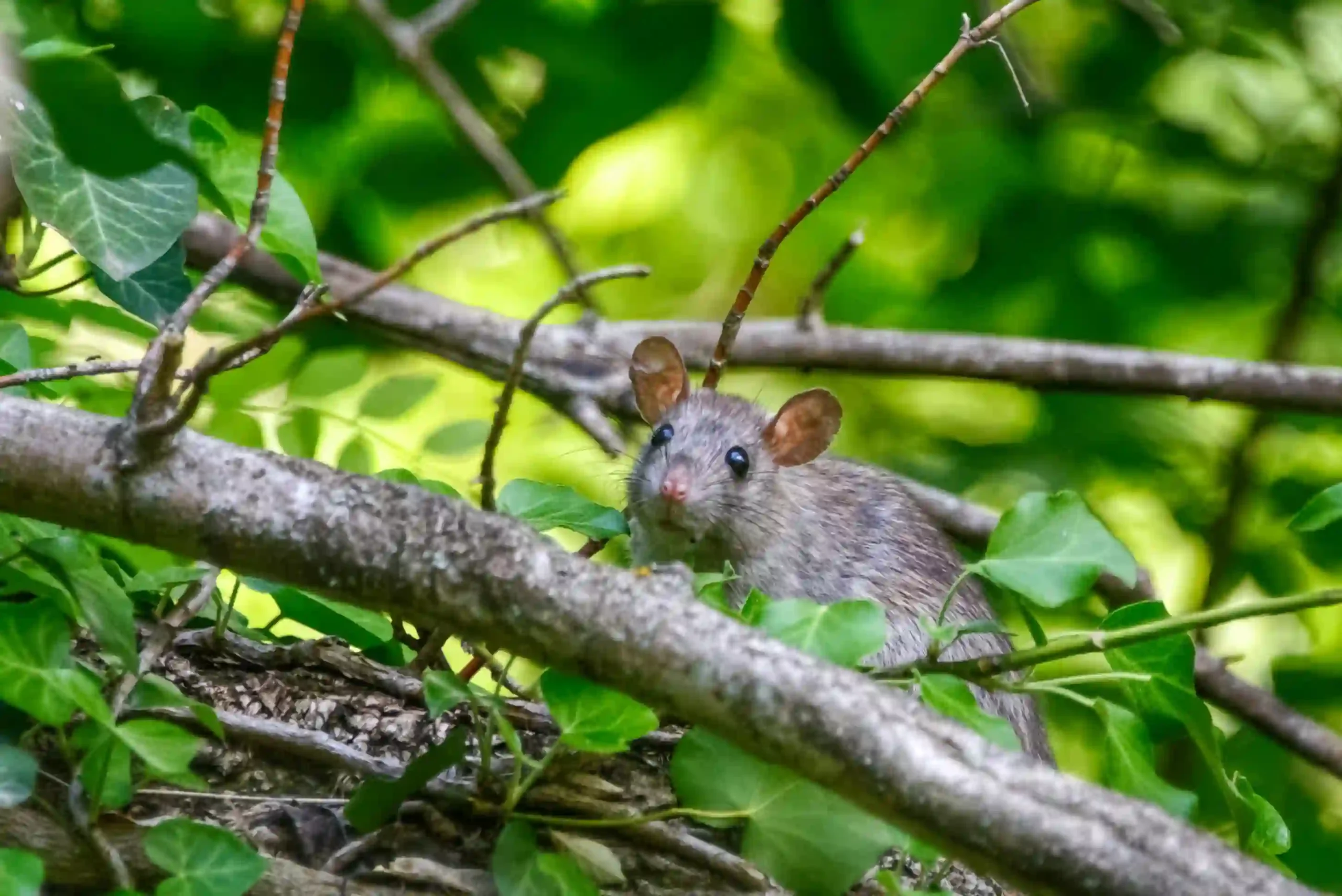
Pest control regulations exist to protect public health and ensure pest control companies work safely. The rules cover how to control pests without causing harm to people, pets or the environment. They’re particularly important when dealing with rat and mice infestations, which can spread disease if not handled properly.
Key Regulations in England and Wales
Several important laws govern how local pest control services operate. Here’s what pest control companies must follow:
| Regulation | What It Covers | Why It Matters |
|---|---|---|
| Prevention of Damage by Pests Act 1949 | Requires property owners to control rat and mice problems | Local authorities can force action on rodent infestations |
| Health and Safety at Work Act 1974 | General workplace safety standards | Protects technicians and the public during treatments |
| Control of Substances Hazardous to Health (COSHH) | Safe handling of chemicals | Prevents harmful exposure to pesticides |
| Wildlife and Countryside Protection Act | Protects certain species | Ensures humane treatment of all animals |
The Prevention of Damage by Pests Act 1949 is especially important. It means local authorities have the power to require property owners to deal with pest issues, particularly rats and mice. Failing to comply can result in legal action.
What Professional Pest Control Services Must Do
Any legitimate pest control company in Essex must meet specific standards:
Proper Training
Professional technicians need qualifications like the RSPH Level 2 Award in Pest Management. This training teaches them how to identify specific pests, use approved treatments safely, and protect public health.
Legal Chemical Use
The Health and Safety Executive (HSE) controls which pesticides can be used. A professional pest control service must only use approved products and follow strict safety guidelines. This protects you and your neighbours from harmful chemicals.
Working with Local Authorities
In serious cases, local authorities can require property owners to deal with pest problems. Professional companies understand these legal requirements and work within them to solve your pest issues quickly and safely.
Why Choose a Regulated Essex Pest Control Company?
When you hire a properly regulated pest control service, you get:
Legal compliance – The work meets all requirements under the Health and Safety at Work Act 1974 and other regulations
Better results – Professional treatments are more effective than DIY methods for controlling specific pests
Safety first – Trained technicians know how to handle chemicals safely around your family and pets
Public health protection – Proper pest control prevents disease spread and protects your community
No liability worries – Failing to comply with regulations can lead to fines. Professional companies handle everything legally
With over 30 years of experience, Nature’s Way shows what professional pest control should look like. All staff hold RSPH Level 2 qualifications, and as NPTA members, they follow the latest industry guidelines.
The Cost of Failing to Comply
Pest control regulations aren’t optional. Property owners who ignore rat and mice problems can face action from local authorities. Business owners who don’t control pests risk:
- Improvement notices
- Fines and legal costs
- Damage to reputation
- Closure orders in severe cases
This is why choosing a qualified local pest control company is so important. They ensure your pest problems are solved legally and safely.
Frequently Asked Questions
What qualifications should Essex pest control technicians have?
Professional pest control technicians should hold at least the RSPH Level 2 Award in Pest Management. This nationally recognised qualification covers pest identification, treatment methods, chemical safety and legal requirements. Reputable companies invest in ongoing training to keep their teams updated on the latest regulations and techniques.
Are pest control chemicals safe for my family and pets?
When applied by trained professionals following COSHH regulations, pest control treatments are safe. Qualified technicians conduct risk assessments, use only approved products, and provide clear instructions about any necessary precautions. They’ll tell you if you need to vacate the property temporarily or keep pets away from treated areas.
Can I get in trouble for not dealing with a pest problem?
Yes, potentially. The Prevention of Damage by Pests Act 1949 means property owners and landlords can be required by local authorities to deal with rodent infestations. If you ignore a serious pest problem, especially rats or mice, your local council can serve a notice requiring you to take action. This is particularly important for landlords and business owners.
How do I know if a pest control company is operating legally?
Check that the company employs staff with proper qualifications (RSPH Level 2 or equivalent), is a member of professional bodies like the NPTA or BPCA, has appropriate insurance, and can explain their approach to health and safety regulations. A legitimate company will happily discuss their qualifications and compliance measures. Don’t be afraid to ask to see certificates or proof of membership.