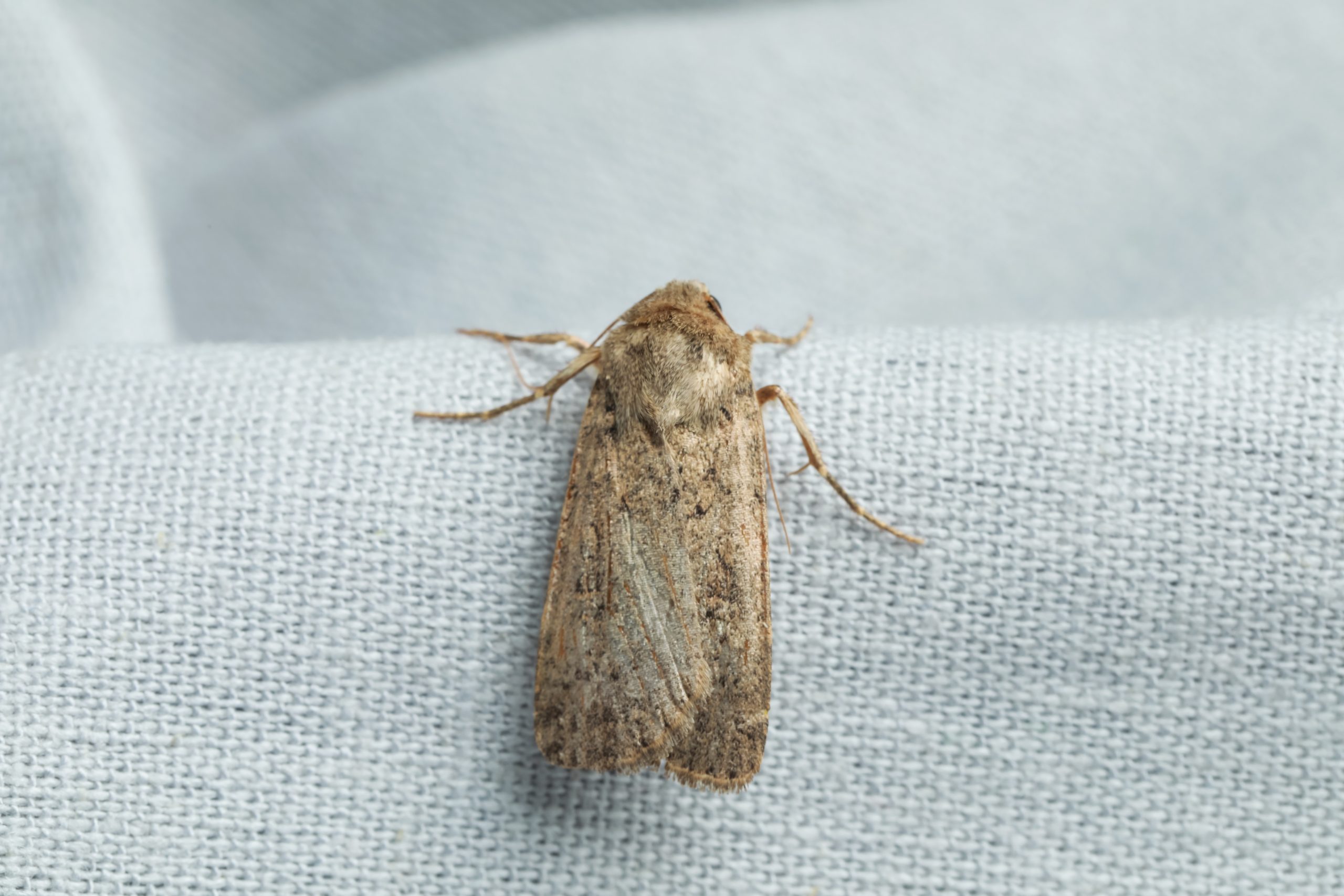
You might not know that pantry moths can lay up to 400 eggs at a time, which makes them a persistent pest in your kitchen. Their presence often goes unnoticed until you find webbing or larvae in your food. So, how do you effectively tackle this problem and prevent future infestations? It’s not just about tossing the contaminated items; there’s a thorough approach involving cleaning, proper storage, and natural repellents. By understanding each step, you can guarantee a moth-free pantry and peace of mind in your household. Let’s explore the strategies you can implement today.
Key Takeaways
– Inspect and discard infested food items to reduce the moth population.
– Clean shelves with a vinegar-water solution to eliminate eggs and larvae.
– Use airtight containers for food storage to prevent moth access.
– Deploy pheromone traps to monitor and control adult male moths.
– Apply natural repellents like essential oils to deter future infestations.
Identify the Infestation
The first step in tackling a pantry moth problem is to accurately identify the infestation. Begin by understanding the moth life cycle, which comprises four stages: egg, larva, pupa, and adult.
Indian meal moths, a common pantry pest, often begin in stored food, where females lay hundreds of eggs. These eggs hatch into larvae, which are cream-coloured with brown heads. Larvae are the main culprits of food contamination as they feed and grow. Recognizing these stages is essential for effective identification.
Utilise evidence-based identification methods to confirm the presence of pantry moths. Inspect stored food for webbing and larvae, particularly in grains, cereals, and pet food.
Use a flashlight to spot larvae and moth activity in dark pantry corners. Adult moths are typically half an inch long with grey and reddish-brown wings, often seen flying near food storage areas.
Place pheromone traps to attract adult males, aiding in determining infestation severity and location.
Remove Contaminated Items
Consistently addressing pantry moth infestations necessitates the immediate removal of contaminated items.
Begin by thoroughly inspecting all food products, as pantry moth larvae can infiltrate a variety of dry goods like grains, cereals, and nuts. Look for signs such as webbing, larvae, or adult moths. Once you identify infested items, promptly discard infested products to prevent further spread. This action considerably reduces the population of pantry moths and interrupts their lifecycle.
In addition to discarding infested products, assess pantry organisation to determine potential vulnerabilities. Evaluate your storage practices to guarantee they minimise future infestations. Consider using airtight containers for susceptible items, as these hinder larvae access and inhibit adult moth entry.
By examining your pantry’s layout, you can identify areas where moths might thrive, such as open packages or cluttered shelving.
Scientific studies suggest that maintaining an organised pantry can drastically diminish the likelihood of recurrence. As a result, reorganising your pantry not only aids in identifying infestation but also acts as a preventative measure.
Clean and Sanitise Shelves
After removing contaminated items, focus on cleaning and sanitising your pantry shelves to guarantee no moth eggs or larvae remain.
Begin by clearing the entire area to facilitate thorough cleaning. Utilise appropriate cleaning supplies, such as a mixture of water and white vinegar, which is effective in eradicating pests due to its acetic acid content. Scrub every surface, paying special attention to crevices and corners where eggs might be hidden.
Ensure ideal shelf organisation by removing all items and cleaning one shelf at a time. This method minimises cross-contamination and allows you to systematically check for any remaining moth presence.
Post-cleaning, let the shelves dry completely to prevent mould growth, which can attract additional pests.
Consider these essential steps:
– Use a vacuum to remove any debris or crumbs, a preferred environment for moth larvae.
– Apply a cloth soaked in a vinegar solution to wipe down surfaces, disrupting potential egg sites.
– Inspect shelf liners and replace them if they’re compromised, as they can harbour pests.
Maintaining a clean pantry is vital, as cleanliness disrupts the moth life cycle.
With consistent shelf organisation and the use of effective cleaning supplies, you can notably reduce the risk of a recurring infestation.
Use Natural Repellents
While eradicating pantry moths, incorporating natural repellents can be an effective strategy to deter future infestations. Utilising herbal remedies and essential oils offers a scientifically-supported approach to creating an inhospitable environment for these pests.
Essential oils such as peppermint, eucalyptus, and lavender have been documented in entomological studies to possess insect-repelling properties due to their volatile compounds. You can create a simple solution by mixing 10-15 drops of essential oil in a cup of water and applying it with a spray bottle to the corners and crevices of your pantry.
Herbal remedies, like bay leaves and cloves, are traditional methods backed by scientific evidence. Their natural aromatic compounds release odours that are unpleasant to moths, disrupting their ability to thrive. Place whole bay leaves or cloves in your pantry shelves and food containers to establish a natural deterrent barrier.
Consistently replenishing these natural repellents guarantees ongoing protection. Scientific research underscores the importance of regular application for maintaining effectiveness.
Additionally, these methods are non-toxic, making them safe for use around food products and reducing chemical exposure risks. By integrating these evidence-based strategies, you can effectively safeguard your pantry from future moth invasions.
Store Food Properly
Proper food storage is essential in preventing pantry moth infestations and maintaining a pest-free environment. Pantry moths, scientifically known as Plodia interpunctella, are attracted to improperly stored grains, cereals, and other dry foods.
To effectively protect your pantry, you should utilise airtight containers. These containers create a hermetic seal that prevents moths from accessing and laying eggs in your food supplies.
When selecting storage solutions, consider the following strategies:
– Use Airtight Containers: Transfer all susceptible items such as flour, rice, and nuts into containers with secure lids to block pest entry effectively.
– Apply Food Labels: Clearly labelling containers with the product name and date of storage helps you manage inventory efficiently, reducing the risk of forgotten, infested food.
– Regularly Inspect Stored Items: Examine your pantry monthly for signs of infestation, such as webbing or larvae, and promptly remove contaminated products.
Scientific studies emphasise that airtight containers are a proven method to inhibit pantry moth access.
Additionally, using food labels aids in maintaining an organised storage system, minimising the chances of prolonged exposure to potential infestations.
Frequently Asked Questions
How Long Do Pantry Moths Live?
Pantry moths live for about 30 days. Understanding their life cycle aids in effective pest control. You’ll see eggs, larvae, and adults. Target all stages with evidence-based methods to break the reproductive cycle and prevent infestations.
Can Pantry Moths Spread to Other Parts of the House?
Can you ignore the risk of pantry moths spreading? They can infect other areas. Use preventive measures like airtight containers and regular cleaning. Look for infestation signs like larvae or webbing to act quickly and prevent further invasion.
Do Pantry Moths Pose Any Health Risks to Humans?
Pantry moths don’t pose direct health risks to humans, but their presence can contaminate food sources, leading to potential indirect health concerns. Ingesting infested food might cause mild gastrointestinal discomfort, though scientific evidence on this is limited.
Are There Specific Seasons When Pantry Moths Are More Active?
You observe seasonal patterns, you note temperature effects. Pantry moths thrive in warmer months, showing increased activity in spring and summer. Science confirms their lifecycle accelerates with heat, making these seasons prime for infestations.
Can Pantry Moths Infestation Non-Food Items?
Yes, pantry moths can infest non-food items like pet food, birdseed, or dried flowers. Look for infestation signs such as webbing or larvae. Use prevention methods like airtight containers and regular cleaning to mitigate risks effectively.
Conclusion
You’ve become the ultimate pantry moth eradicator! By identifying infestations, removing contaminated items, and cleaning with a vinegar-water solution, you’re ensuring no moth stands a chance. With airtight containers and natural repellents like essential oils and bay leaves, your pantry becomes an impenetrable fortress. Regular inspections and orderly maintenance will make recurrence as rare as a blue moon. Trust this evidence-based approach, and moths will flee as if you’ve released a hurricane in their tiny world!