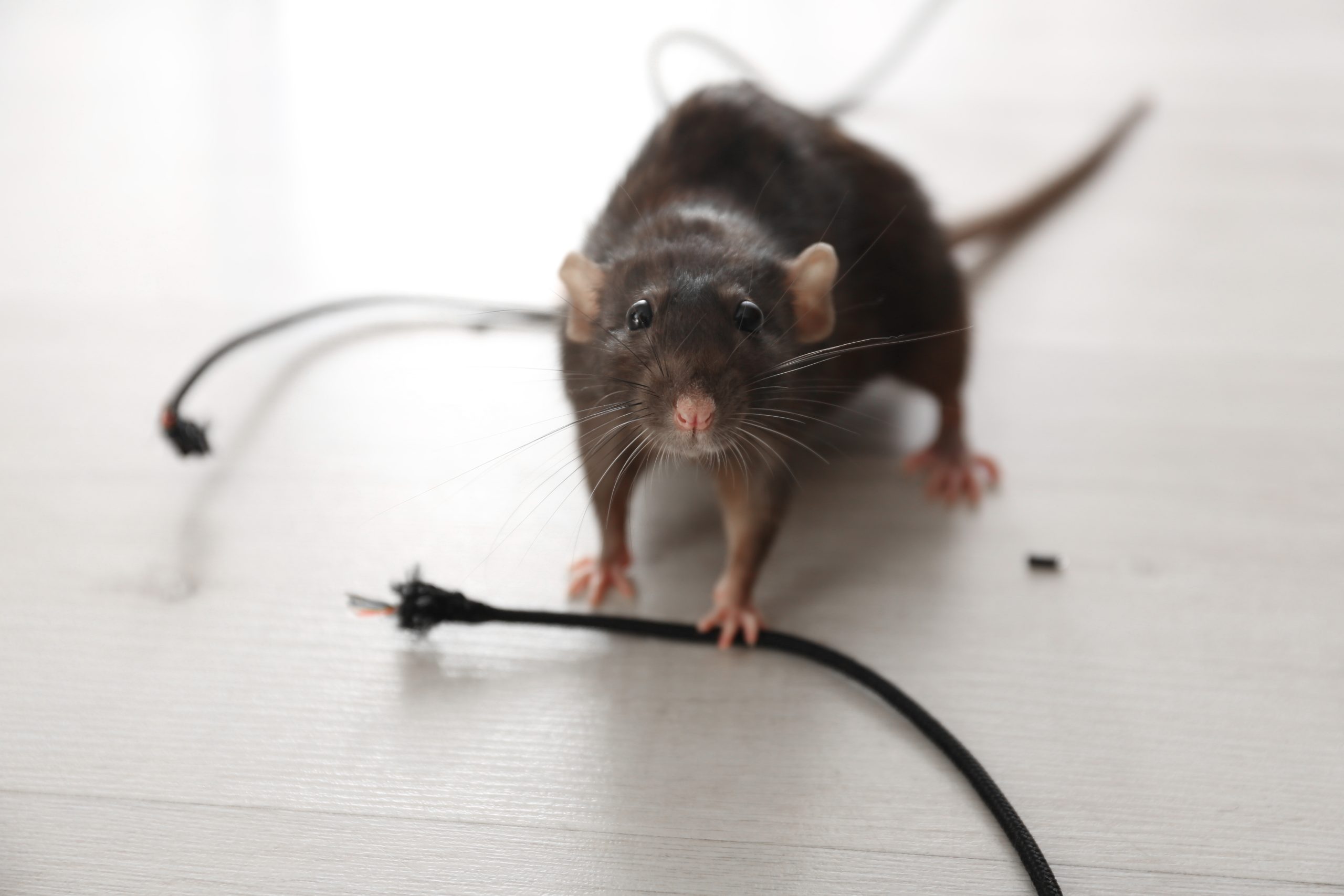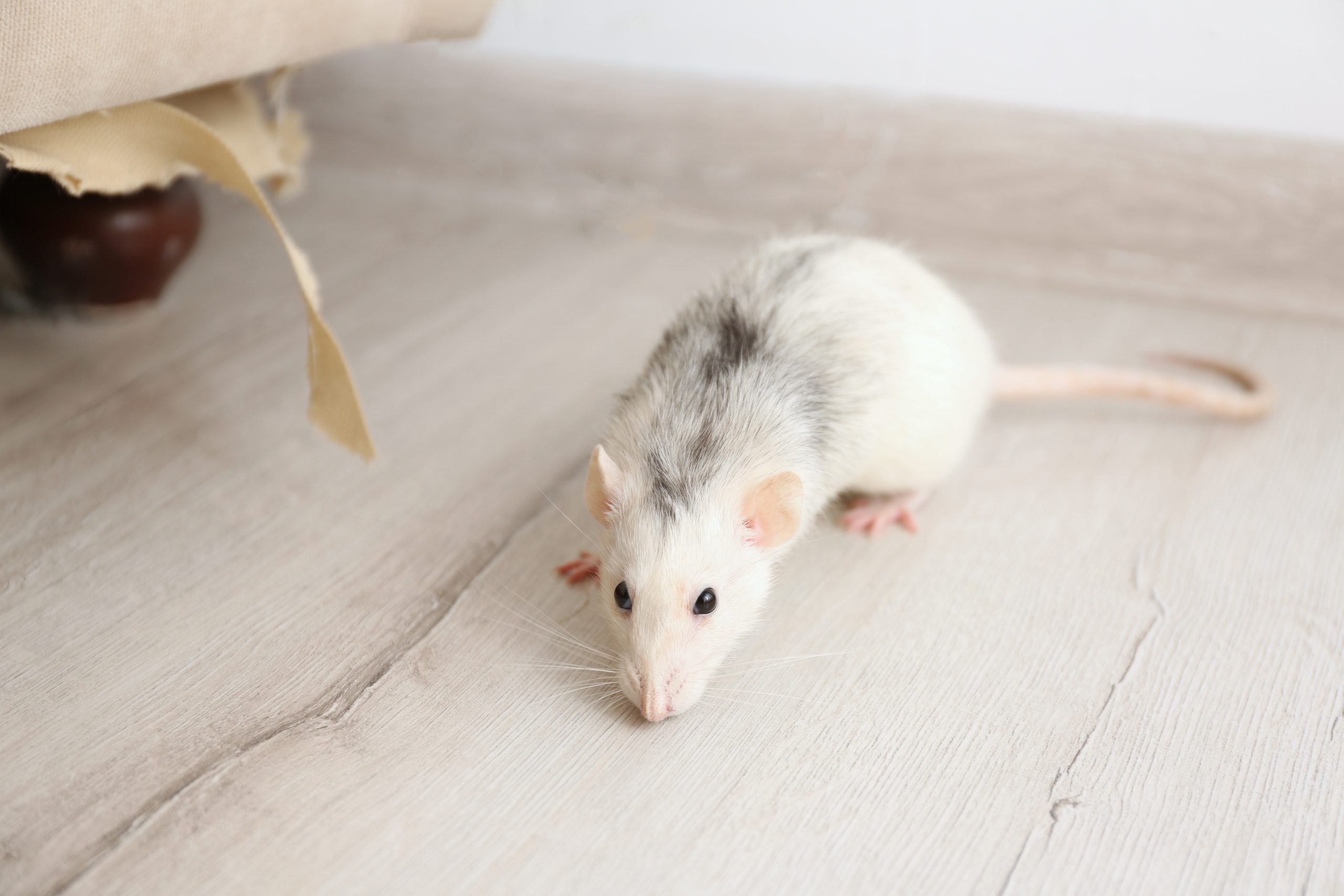
As the evenings get darker and the first cold nights arrive, many Essex homeowners hear a sound they do not want to hear: a faint scratching in the walls, the loft or behind the kitchen units. Autumn is the time of year when mice start to move indoors, and it happens in towns and villages right across the county.
The good news is that once you understand why mice come inside, it becomes much easier to stop them. In this guide, our team at Natures Way explains what drives mice into homes in autumn, the signs to look out for and the practical steps you can take today.
Why Do Mice Come Inside When the Weather Turns?
Mice are not trying to cause trouble. They are simply looking for three things: warmth, food and a safe place to nest. In spring and summer, they can find all of these outdoors in hedges, sheds, compost heaps and fields. Once autumn arrives, that changes quickly.
1. The temperature drops
Mice are small animals and lose body heat fast. When night-time temperatures fall, a warm house with central heating is the perfect place to shelter. Lofts, wall cavities and the gaps under kitchen units stay warm and dry all winter.
2. Food outside starts to run out
During the summer, mice feed on seeds, grain, fruit and insects. By late autumn, much of this food has gone. Our kitchens, larders and bins offer an easy, steady supply. Cereal, pet food and bird seed are especially tempting.
3. They want somewhere safe to breed
This is the part that surprises most people. According to the Mammal Society’s guide to the house mouse, mice living outdoors usually only breed in the warmer summer months. Mice living inside buildings, however, can have a litter roughly every month, with around five to eight young each time. A warm home lets them keep breeding right through the winter.
4. Gardens and fields get cleared
In rural parts of Essex, crops are harvested in late summer and early autumn. In towns, people cut back hedges, clear borders and tidy sheds. Each of these jobs can remove the places where mice were living, so they go looking for a new home. Very often, that new home is yours.
How Do Mice Get Into Your Home?
Mice are expert climbers and can squeeze through a gap of around 6mm, which is about the width of a pencil. If a mouse can fit its head through a hole, the rest of its body will follow.
The table below shows the most common ways mice get into Essex homes and what you can do about each one.
| Entry point | Why mice use it | Simple fix |
|---|---|---|
| Gaps under external doors | Worn or missing seals leave a small gap at floor level | Fit a brush strip or new door seal |
| Holes around pipes and cables | Pipes for water, gas and broadband often leave gaps in brickwork | Fill gaps with wire wool and a suitable filler |
| Air bricks and vents | Old or broken covers can have large holes | Fit fine metal mesh covers |
| Garage doors | Garages are often less sealed than the main house | Add a rubber seal along the bottom of the door |
| Gaps in the roof or eaves | Mice climb walls, ivy and drainpipes to reach the loft | Cut back climbing plants and repair loose tiles or soffits |
| Cat flaps | Flaps that are damaged or stuck open give easy access | Repair or replace the flap and check it closes properly |
Signs You Already Have Mice
Mice are shy and mostly come out at night, so you may never see one. Instead, look out for these clues:
- Droppings: Small, dark and about the size of a grain of rice, often found in cupboards, along skirting boards or behind appliances.
- Gnaw marks: Small chew marks on food packets, wood, plastic or cables.
- Noises at night: Scratching or scurrying sounds in walls, ceilings or the loft.
- Nests: Balls of shredded paper, cardboard, fabric or insulation, usually hidden in quiet, warm spots.
- A musky smell: A strong, stale smell can be a sign of a larger problem.
- Grease marks: Dark smudges along walls where mice run the same route again and again.
Not sure whether you have mice or rats? Droppings and nest sites can help you work it out. Our guide on how to tell a mouse from a rat explains the key differences.
Why You Should Not Ignore Mice
It is easy to think one mouse is no big deal. Sadly, one mouse is rarely alone for long. Because mice can breed so quickly indoors, a small problem in October can become a much bigger one by Christmas.
Mice can also:
- Spread germs: Their droppings, urine and saliva can contaminate food and kitchen surfaces.
- Damage your home: They gnaw on electrical wires, insulation and woodwork, which can lead to costly repairs and even fire risks.
- Spoil food: They chew through packets and boxes, and anything they touch needs throwing away.
How to Stop Mice Getting In This Autumn
The best time to act is before the cold weather really sets in. Here are some simple steps every Essex household can take:
- Walk around the outside of your home. Look for gaps around pipes, doors, vents and the base of walls. Remember, anything wider than a pencil is big enough for a mouse.
- Seal the gaps you find. Use wire wool, metal mesh or a strong filler. Mice can chew through soft materials like foam or rubber.
- Store food in sealed containers. Keep cereal, pasta, rice and pet food in hard plastic, glass or metal tubs with tight lids.
- Keep bins closed. Make sure indoor and outdoor bins have lids that shut properly.
- Clear up clutter. Piles of boxes in lofts, garages and sheds give mice hiding places to nest.
- Move bird feeders. Spilled seed attracts mice, so keep feeders away from the house and clean up underneath them.
- Cut back plants touching the house. Ivy, climbers and overhanging branches act like ladders to your roof.
For a wider look at which pests to expect at different times of the year, take a look at our Essex pest calendar.
When to Call a Professional
Shop-bought traps can catch the odd mouse, but they rarely deal with the whole problem. If you keep finding droppings, hear noises every night or have spotted more than one mouse, it is likely that a group of mice has already settled in.
Our team offers safe and effective mice removal in Essex. We start by finding out how the mice are getting in and where they are nesting. We then use a mix of traps, proofing and, only where needed, carefully placed bait to clear the problem. Finally, we give you clear advice to help stop mice coming back.
With over 30 years of experience, technicians trained to RSPH Level 2 and members of the National Pest Technicians Association (NPTA), Natures Way is a trusted name in pest control across Essex. Our methods are designed to be safe for families, children and pets.
Frequently Asked Questions
What month do mice come into houses?
In Essex, mice usually start moving indoors from September and October, as night-time temperatures drop. Activity often stays high right through the winter.
Will mice leave on their own in spring?
Some mice may move back outside when it gets warmer, but many will stay if they have found food and a safe place to nest. Because they breed indoors all year, the problem often grows rather than going away.
Can mice get into a clean house?
Yes. Mice are looking for warmth and shelter as well as food. Even a spotless home can attract mice if there are small gaps for them to get in.
How quickly can a mouse problem grow?
Very quickly. Mice living indoors can have a new litter roughly every month, and the young are ready to leave their mother after about three weeks. A couple of mice can turn into a large group within a few months.
Keep Your Home Mouse-Free This Winter
Autumn is when mice look for a warm place to spend the winter, but with a few simple checks you can make sure that place is not your home. If you think mice have already moved in, do not wait for the problem to get worse. Contact Natures Way today for friendly, expert advice and fast, reliable help anywhere in Essex.