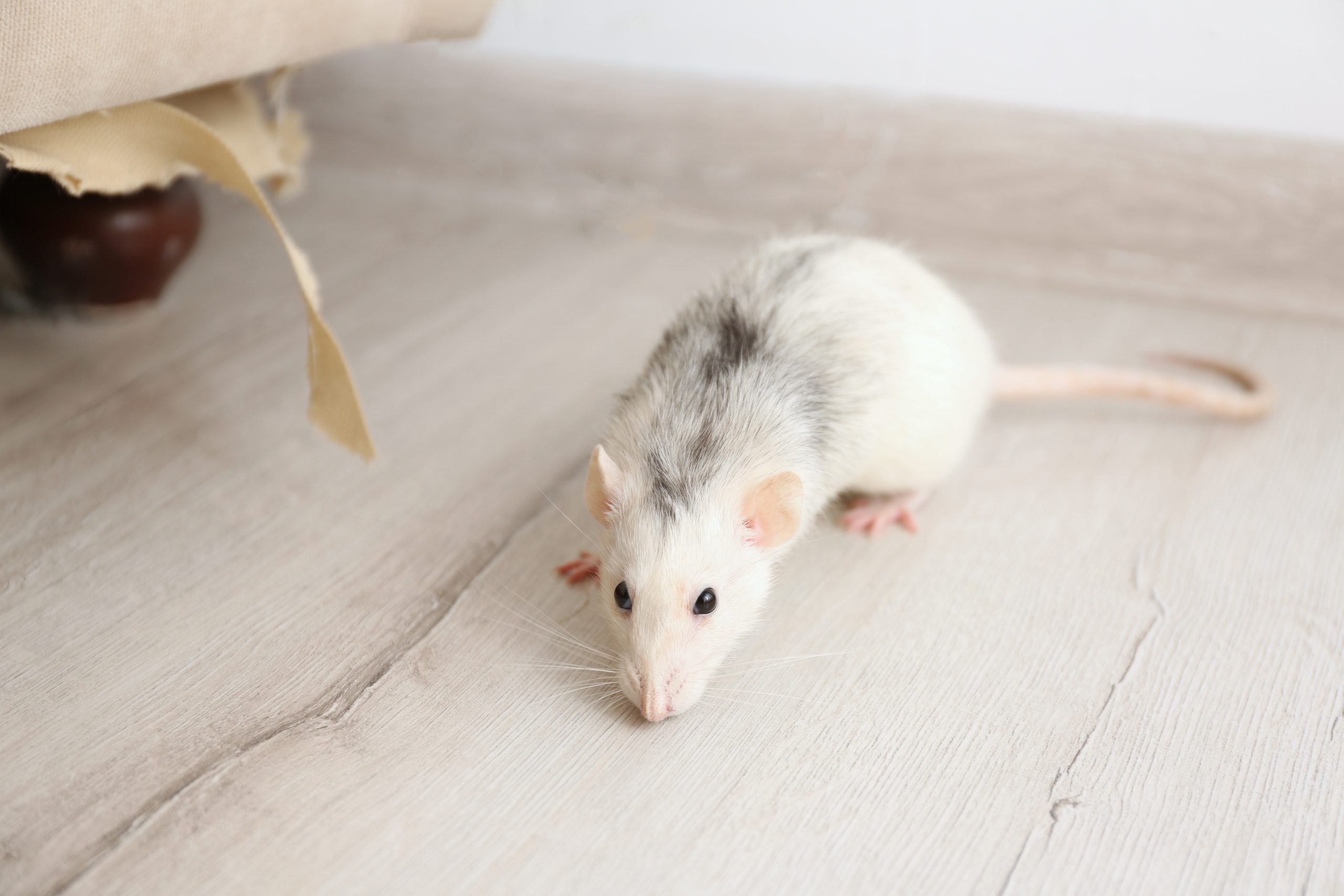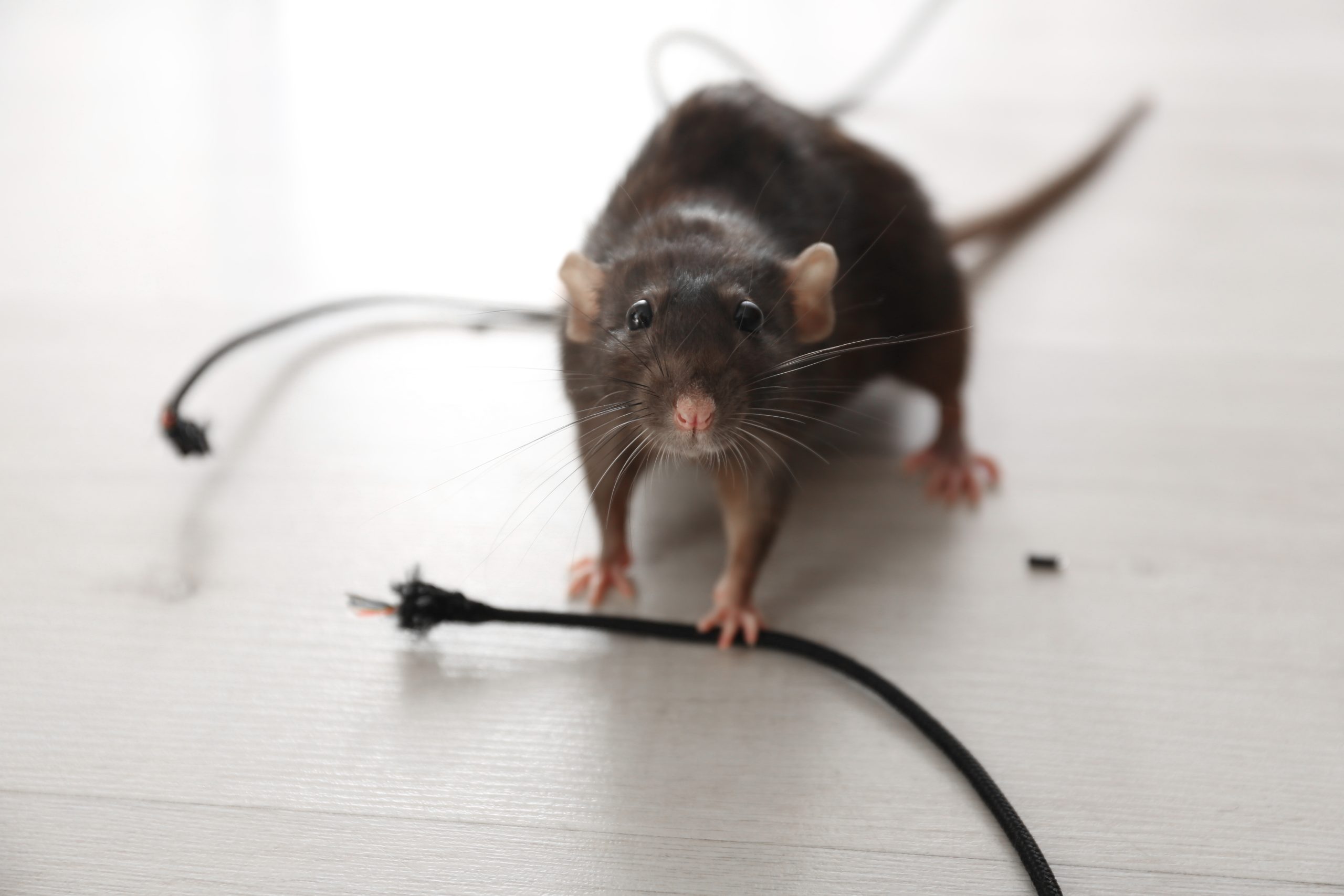
Rats Chewing Wires: Rats do not just scurry about in your loft or shed. They also chew things, and wires are one of their favourite targets. This is not just annoying. A rat chewing through a live wire can cause a fire, cut off your power, or damage expensive equipment.
If you have noticed strange noises in your walls, flickering lights, or chewed cables, you are probably dealing with rats. Here is what you need to know about why rats chew wires, the risks involved, and how to stop them for good.
Why Do Rats Chew Wires?
Rats are not chewing wires because they like the taste. Their front teeth (called incisors) never stop growing. To stop their teeth getting too long, rats need to gnaw on hard things all the time. Wood, plastic, cardboard and, unfortunately, electrical cables are all fair game.
Wires are also often hidden behind walls, under floors or inside lofts, which are exactly the dark, quiet places rats like to nest in. Once a rat finds its way into these spaces, any cable in its path is at risk.
How Do You Know Rats Have Been Chewing Your Wires?
It is not always easy to spot chewed wires straight away, since most cables are hidden out of sight. However, there are some warning signs to look out for around your home or business.
| Warning sign | What it could mean |
|---|---|
| Scratching or scurrying noises in walls or lofts | Rats are moving around inside your property |
| Flickering lights or appliances cutting out | A chewed wire may be causing a loose or damaged connection |
| A burning smell with no obvious cause | Exposed wiring could be overheating, which is a fire risk |
| Small, dark droppings near skirting boards or in lofts | Rats have been active in that area |
| Gnaw marks on skirting boards, pipes or cable casing | Rats are actively chewing through materials, including wires |
| Frayed or exposed sections of cable | A wire has already been damaged and needs checking by an electrician |
If you spot more than one of these signs, it is worth acting quickly rather than waiting to see if it gets worse.
The Risks Of Rats Chewing Wires
Chewed wires are more than just a repair bill. A damaged cable can expose the wire inside, which increases the risk of a short circuit or an electrical fire. This is a genuine danger in both homes and businesses, especially where damaged wiring is hidden away and easy to miss.
It is good practice to have your wiring checked regularly by a qualified electrician, particularly if you suspect pest damage. Electrical Safety First, a UK charity dedicated to reducing deaths and injuries from electrical accidents, recommends checking cables regularly for damage and wear as part of basic fire prevention in the home.
How To Stop Rats Chewing Wires
The good news is that there are practical steps you can take to stop rats chewing wires and protect your property.
- Seal up entry points. Rats can squeeze through gaps as small as a 15mm coin. Check around pipes, vents, doors and roof spaces for gaps, and seal them with materials rats cannot chew through, such as wire wool or metal mesh.
- Remove food sources. Rats are more likely to stick around if there is food available. Keep bins closed, store food in sealed containers, and clear away pet food overnight.
- Protect exposed cables. Where possible, run wires through rigid metal or hard plastic conduit rather than leaving them exposed. This makes it much harder for rats to reach them.
- Keep gardens and outbuildings tidy. Overgrown gardens, log piles and cluttered sheds give rats places to hide and nest close to your home.
- Use traps or professional treatments. If rats are already inside, traps can help, but they only deal with the rats you catch. A full pest control treatment gets to the root of the problem.
- Get a professional inspection. If you suspect rats have already caused damage to your wiring, a pest control expert can find the source of the problem, and you should also get an electrician to check the affected cables.
When To Call A Professional
If you have tried the steps above and rats are still a problem, or if you think wires may already be damaged, it is best to call in a professional. At Natures Way, our technicians have over 30 years of experience, are trained to RSPH Level 2 standard, and are members of the National Pest Technicians Association (NPTA), so you can be confident the job is done safely and properly.
We provide pest control Stanford-le-Hope, pest control Billericay and pest control Greys, along with the rest of Essex, so help is never far away if you spot the signs of a rat problem.
Frequently Asked Questions
Why do rats chew wires? A rat’s front teeth never stop growing, so it needs to gnaw on hard things all the time to keep them worn down. Wires are often hidden in dark, quiet spaces that rats like to nest in, which makes them an easy target.
Can rats chewing wires really cause a fire? Yes. A chewed wire can expose the metal inside, which raises the risk of a short circuit. This can lead to sparks or overheating, both of which can start a fire.
How do I know if rats or another pest caused the damage? Rat gnaw marks are usually larger and rougher than those left by mice, and are often found alongside droppings or scurrying noises. A pest control expert can confirm which pest you are dealing with.
What wire can rats not chew through? Rats cannot gnaw through hard metal, so running cables through rigid metal conduit gives the best protection. Plastic cable covers help too, but a determined rat can still chew through softer plastic over time.
Is it expensive to fix wires damaged by rats? The cost depends on how much damage has been done and how many cables are affected. Sorting the rat problem quickly with professional help limits further damage and keeps repair costs down.
Get Help With Rats Today
Rats chewing wires is a problem that gets worse the longer it is left. If you have spotted any of the warning signs above, do not wait for the problem to grow. Get in touch with Natures Way today for a fast, professional and humane solution to your rat problem.