
Fleas are one of the most common household pests in the UK, especially during the warmer months from spring through late summer. They are usually introduced into homes through pets such as cats and dogs, but once inside, they can quickly spread into carpets, sofas, bedding, and flooring.
A flea infestation can escalate rapidly because fleas reproduce quickly and their eggs can remain dormant for weeks before hatching. This makes early intervention essential, which is why professional flea removal in Essex is the most effective way to get on top of the problem before it gets out of hand.
How Fleas Get Into Your Home
Most flea infestations begin with pets, but there are several ways they can enter your home:
- Dogs and cats bringing fleas in after outdoor activity
- Contact with other infested animals in parks or kennels
- Second-hand furniture or carpets
- Wildlife such as foxes or rodents near the property
- Movement between connected properties such as flats or terraced homes
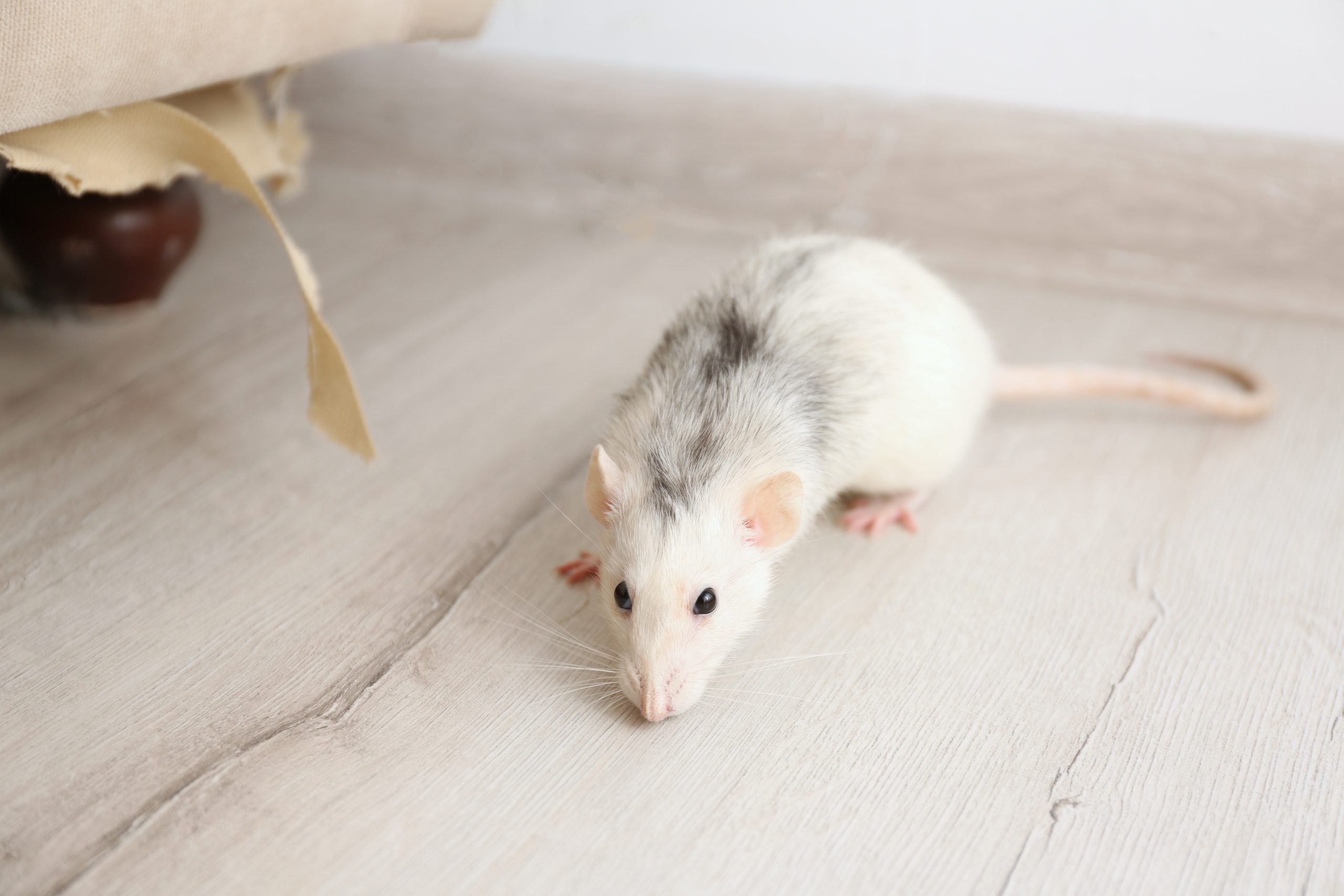
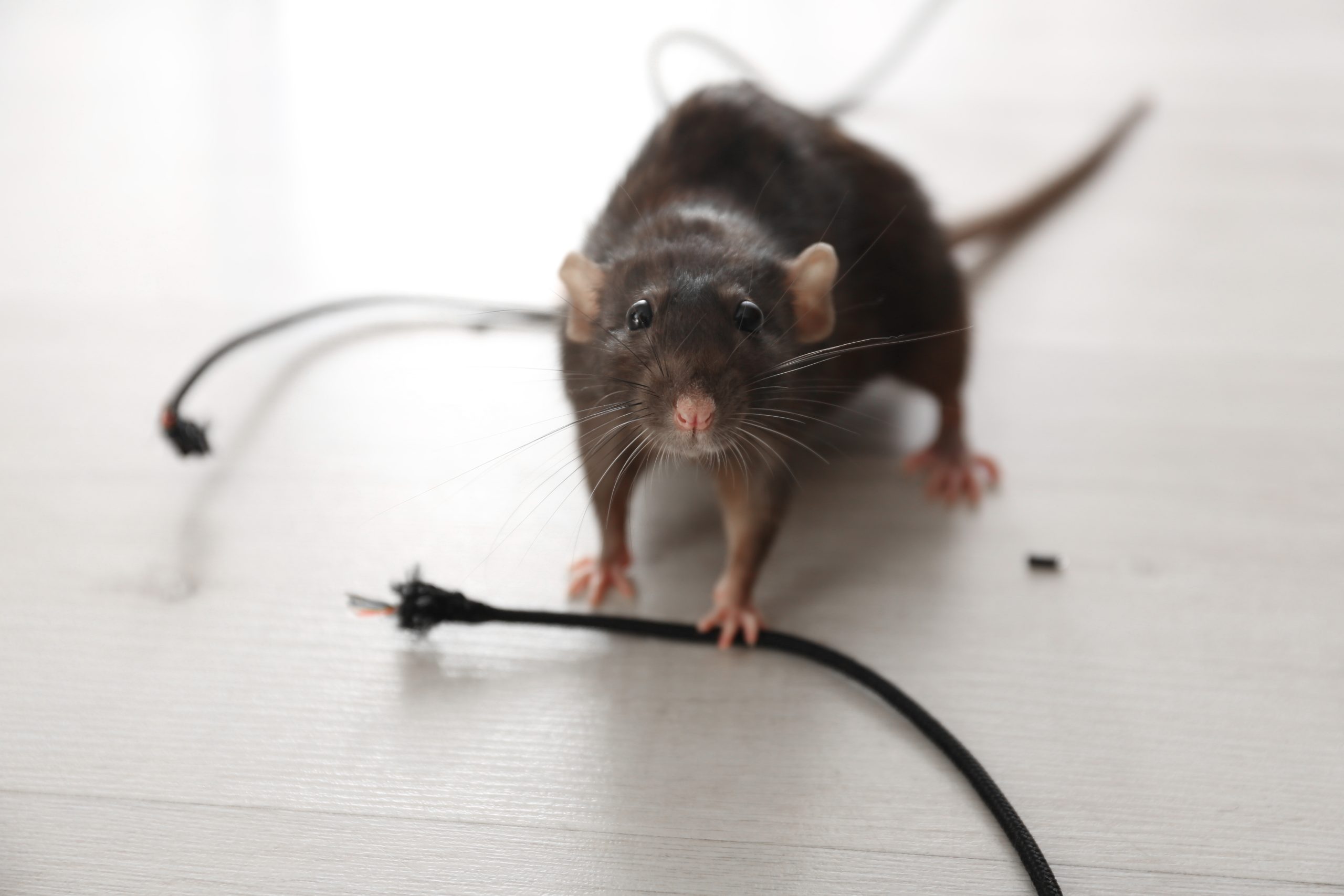
Once inside, fleas spread quickly beyond pets and into soft furnishings and flooring. It is worth noting that wildlife such as foxes and rodents are a common but often overlooked source of fleas. If you have noticed signs of rodent activity alongside a flea problem, our rats and mice control service can help address both issues together.
Signs of a Flea Infestation in the Home
Identifying fleas early can make treatment much easier. Common signs include:
- Pets scratching, biting, or licking excessively
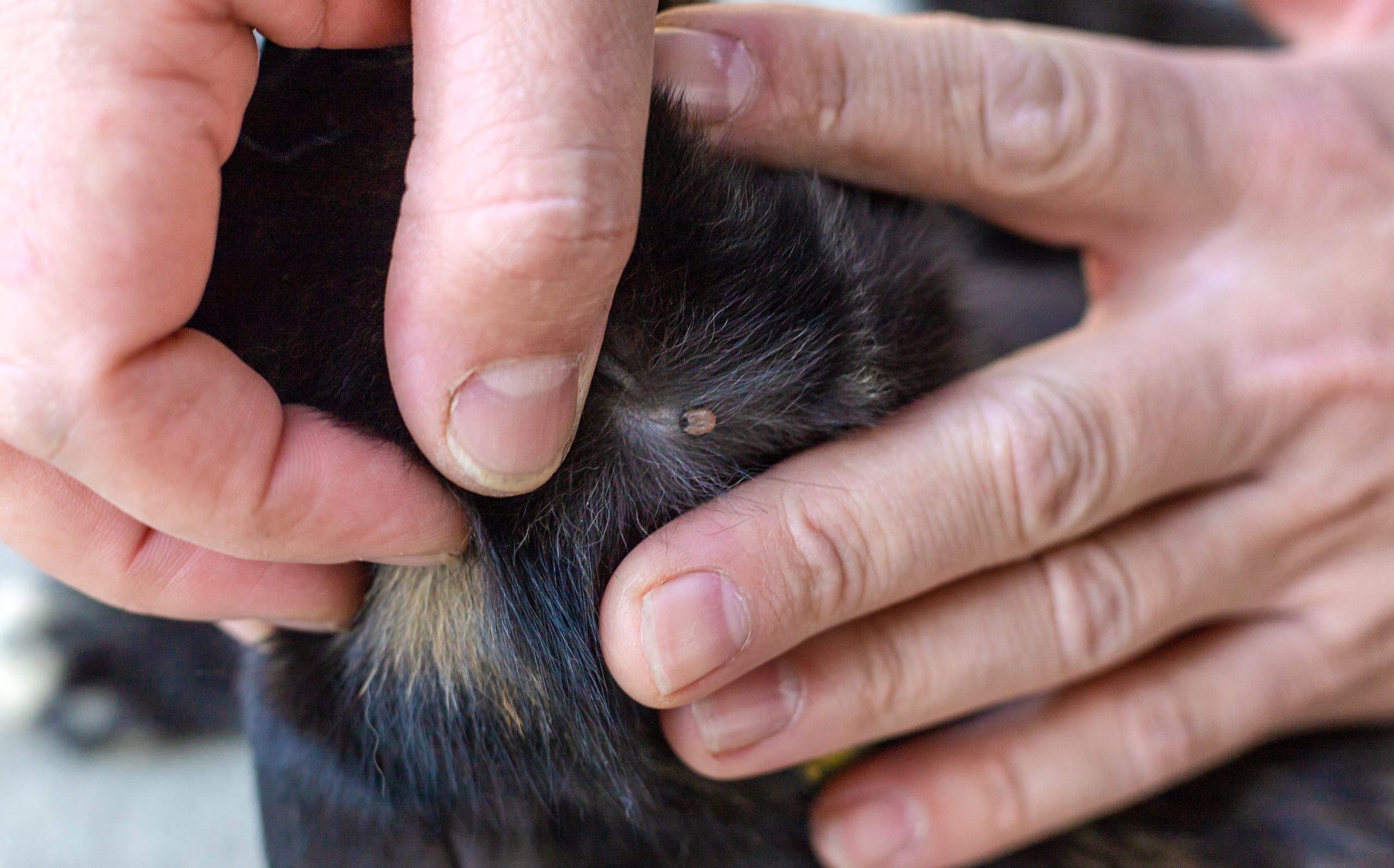
- Small red bites on ankles, legs, or arms
- Black specks known as flea dirt on pet bedding or carpets
- Fleas jumping on furniture or fabrics
- Increased irritation in pets, especially at night
According to the NHS guidance on insect bites and stings, flea bites typically appear as small, itchy red lumps that are sometimes grouped in lines or clusters, and are commonly found below the knee around the ankles. If these signs are present, it is likely that fleas are already established in multiple areas of the home.
Why Fleas Spread So Quickly Indoors
Fleas have a life cycle that makes them difficult to eliminate without a full treatment plan. A single flea can lay dozens of eggs per day, and these eggs often fall into carpets, cracks, and upholstery.
This means that even if adult fleas are removed, new ones can continue to emerge if eggs and larvae are not treated properly. This is why flea control requires a complete approach, not just surface-level treatment.
Flea Control for Home: Step-by-Step Treatment Guide
Effective flea control requires treating both pets and the environment at the same time.
| Step | What to Do |
|---|---|
| 1. Treat Your Pets | Use vet-approved products such as spot-on treatments, tablets, or flea collars |
| 2. Deep Clean the Home | Vacuum all carpets and sofas daily, wash pet bedding at high temperatures, dispose of vacuum bags immediately |
| 3. Professional Treatment | Target hidden fleas and eggs in carpets, skirting boards, upholstered furniture, and pet resting areas |
Treating Pets First
Your pets are often the primary source of fleas, so they must be treated using vet-approved products before any home treatment takes place.
Deep Cleaning the Home
Thorough cleaning helps remove eggs and larvae hiding in soft furnishings. Vacuum all carpets, rugs, and sofas daily, wash pet bedding and soft fabrics at high temperatures, and dispose of vacuum bags immediately after use.
Professional Flea Treatment
In many cases, household cleaning alone is not enough. Professional flea treatment targets hidden fleas and eggs in carpets and flooring, skirting boards and cracks, upholstered furniture, and pet resting areas.
Why DIY Flea Treatments Often Fail
Many homeowners try sprays or over-the-counter products, but fleas often return because the full lifecycle is not addressed.
Common issues with DIY treatment include:
- Eggs not being killed, leading to re-infestation
- Fleas hiding deep in carpets and upholstery
- Inconsistent treatment across all affected areas
- Pets continuing to bring in new fleas
Without professional-grade products and a structured approach, infestations can persist for weeks or months.
Professional Flea Pest Control: What to Expect
A professional flea control service is designed to eliminate fleas at all stages of their life cycle. The process typically includes:
- Full inspection of affected rooms and pet areas
- Targeted insecticide treatment of carpets and furniture
- Focused treatment on high-risk zones such as skirting boards
- Advice on ongoing prevention and pet care
Treatment is usually quick, and most homes can be re-entered after a short safe period depending on the products used.
How Long Does Flea Treatment Take to Work?
Results from professional flea control can be seen quickly, but full elimination depends on the severity of the infestation.
| Stage | Timeframe |
|---|---|
| Adult fleas | Often eliminated within hours |
| Eggs and larvae | May take several days to fully break the cycle |
| Severe infestations | May require a follow-up treatment visit |
A structured treatment plan ensures the infestation does not return.
Preventing Fleas from Returning
Once fleas are removed, prevention is essential to avoid reinfestation. Simple steps include:
- Regular flea treatment for pets year-round
- Frequent vacuuming of carpets and soft furnishings
- Washing pet bedding weekly at high temperatures
- Checking pets after outdoor walks
- Maintaining a clean and clutter-free environment
Prevention is especially important during warmer months when flea activity increases.
Effective Flea Control for a Healthier Home
Fleas can quickly become a frustrating and persistent household problem if not treated properly. Because they spread through multiple stages and hide in soft furnishings, a complete treatment approach is essential.
With over 30 years of experience and technicians trained to RSPH Level 2, Nature’s Way provides reliable, eco-friendly flea control across Essex. Our wider pest control services cover a full range of common household and commercial pests, so whatever the problem, we can help. Acting early is the key to protecting both your home and your pets.
FAQs
How do I know if I have fleas in my home? Common signs include pets scratching excessively and small bites on ankles or legs.
Can fleas live in carpets? Yes, flea eggs and larvae commonly live deep within carpets and soft furnishings.
How long does flea treatment take? Most treatments show results within a few days, with full elimination depending on severity.
Do I need professional flea control? If infestations persist after cleaning or return quickly, professional treatment is recommended.