As the temperatures start to climb across Essex, we’re not the only ones enjoying the warmer weather. Spring marks the beginning of a busy season for many common household pests, and knowing what to look out for early can save you considerable hassle later in the year.
Whether you’re in Colchester, Chelmsford, or anywhere else across the county, the arrival of spring brings predictable patterns of pest activity. Understanding these patterns puts you in a much stronger position to protect your home and family.
Why Spring Triggers Pest Activity
After months of cold weather, rising temperatures act as a wake-up call for insects that have been dormant or sheltering through winter. For many species, spring represents the start of their breeding season, which means they’re actively searching for food sources and suitable nesting sites.
Your home offers everything they’re looking for: warmth, shelter, food, and water. As outdoor temperatures fluctuate during those unpredictable Essex spring days, the consistent warmth of your property becomes particularly attractive.
This is precisely why early spring is such an important time for pest awareness. Catching problems at this stage, before populations establish themselves properly, makes control far more straightforward.
Wasps: The Early Warning Signs
Queen wasps emerge from hibernation as early as March when temperatures begin to rise consistently. These queens have survived the winter alone and are now searching for suitable locations to build new nests and establish colonies.
During early spring, you might notice single wasps exploring your property, particularly around roof spaces, garden sheds, garages, and wall cavities. These aren’t random visitors. A queen wasp investigating your property is essentially scouting for real estate.
The nests themselves start remarkably small, roughly the size of a golf ball, built from chewed wood pulp that creates a distinctive papery texture. At this stage, they’re easy to miss entirely. By summer, these same nests can grow larger than a football and house thousands of wasps, which is why wasp nest removal in Essex sees such high demand during the warmer months.
Early indicators to watch for include repeated wasp sightings in the same area of your property, wasps entering and exiting through specific gaps in brickwork or roofing, and that distinctive papery nest structure beginning to form in sheltered corners.
Ants: Small Invaders, Big Numbers
Ants become increasingly active as soil temperatures warm up, typically from late March onwards. The black garden ant is the most common species you’ll encounter in Essex homes, and while individual ants seem harmless enough, their colony-based behaviour means small sightings can quickly escalate.
The first signs usually appear in kitchens, utility rooms, and anywhere food is stored or prepared. You might notice a few ants trailing along skirting boards or around door frames, seemingly appearing from nowhere. These are scout ants, and their job is to locate food sources and communicate their findings back to the colony.
If you’re seeing ants indoors during spring, there’s almost certainly a nest nearby, either within your property’s structure or just outside. Common nesting sites include under paving slabs, within wall cavities, beneath kitchen units, and in areas where soil meets your home’s foundations.
The key distinction with ants is between occasional visitors and an established problem. A handful of ants wandering through from outside is normal and manageable. Consistent trails of ants, particularly if you’re seeing them in multiple locations or they reappear after cleaning, suggests something more significant that may require professional insect control.
Spiders: Separating Fact from Fear
Spiders occupy an interesting position in pest control. The vast majority of spider species found in Essex homes are completely harmless and actually beneficial, helping to control populations of flies, mosquitoes, and other insects you’d rather not have around.
Spring sees increased spider activity as they emerge from winter hiding spots and begin hunting more actively. You’ll likely notice more webs appearing in corners, windowsills, and undisturbed areas of your home.
For most households, this simply requires regular cleaning and acceptance that spiders are part of the ecosystem. However, spider pest control becomes relevant when populations grow to uncomfortable levels or when species of concern are involved.
The false widow spider, which has established itself across Essex over recent decades, is the main species that prompts calls to pest control professionals. While their bite is rarely dangerous to most people, it can cause significant discomfort and reactions in some individuals. False widows are identifiable by their dark, bulbous bodies and cream-coloured markings, and they tend to favour warm, undisturbed spaces.
If you’re finding large numbers of spiders regularly, or you’re concerned about the species you’re encountering, professional assessment can provide peace of mind.
Prevention Steps You Can Take Now
Early spring is the ideal time to pest-proof your property before problems develop. Start by conducting a thorough inspection of your home’s exterior, looking for gaps around pipes, cracks in brickwork, damaged seals around windows and doors, and any other potential entry points.
Pay particular attention to areas where different materials meet, as these junctions often develop gaps over time. Expanding foam, wire mesh, and appropriate sealants can address most minor access points.
Inside your home, focus on removing the things that attract pests in the first place. Store food in sealed containers, clean up crumbs and spills promptly, ensure bins have tight-fitting lids, and address any moisture issues such as dripping taps or condensation problems.
In your garden, keep vegetation trimmed back from your property’s walls, clear away accumulated debris where pests might shelter, and consider the placement of compost bins and bird feeders relative to your home.
When Professional Help Makes Sense
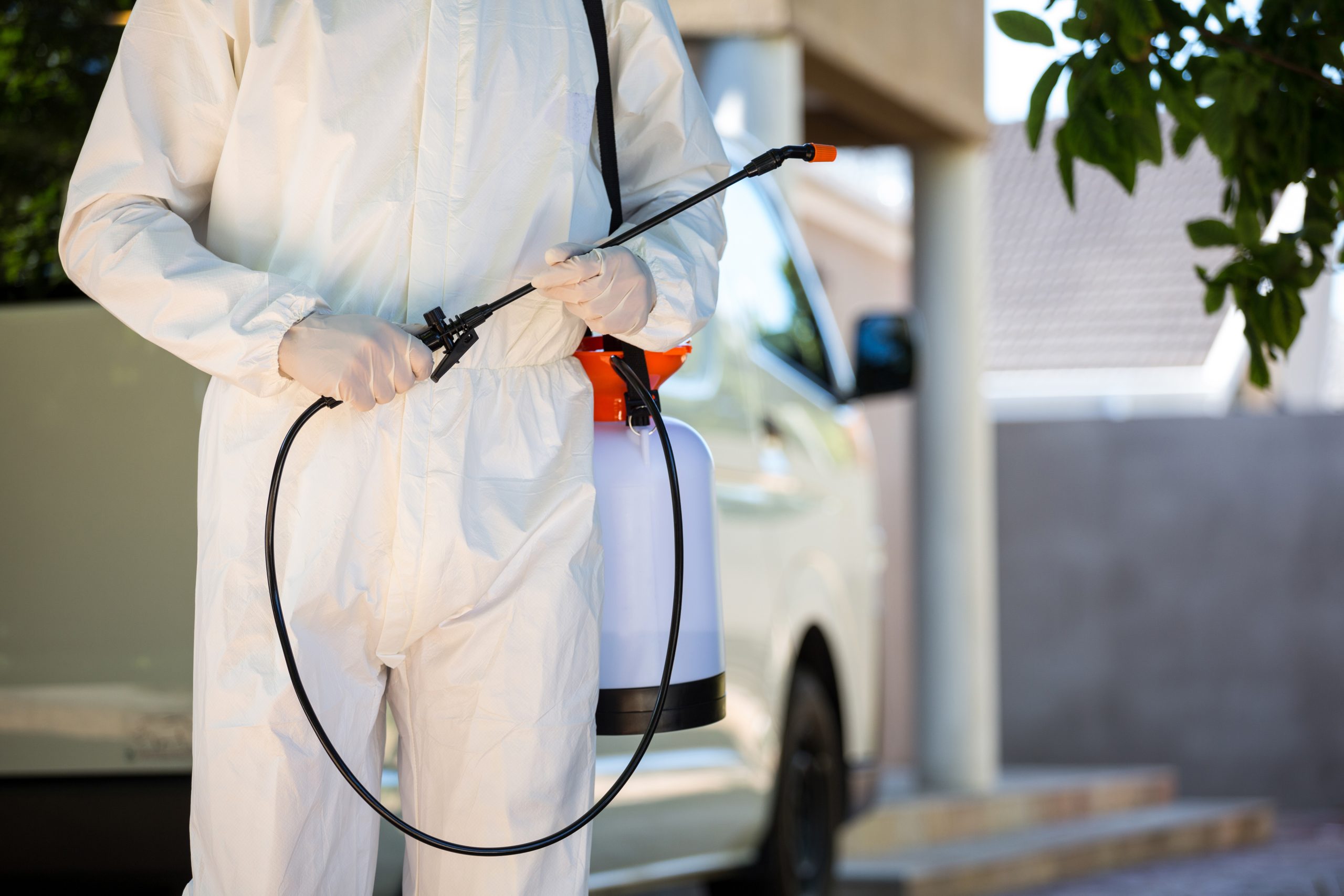
There’s a clear line between manageable pest sightings and situations requiring professional intervention. If you’re dealing with established wasp nests, persistent ant infestations that resist DIY treatment, or spider populations that cause genuine concern, it’s time to call in expertise.
Professional pest control in Essex brings several advantages beyond simply dealing with the immediate problem. Trained technicians can identify species accurately, locate nests and entry points that homeowners often miss, apply treatments safely and effectively, and provide guidance on preventing recurrence.
Attempting to remove wasp nests yourself, in particular, carries genuine risk. Queens are protective of their developing colonies even at this early stage, and DIY removal attempts frequently result in stings and incomplete treatment.
Take Action Early
The message for Essex homeowners this spring is straightforward: stay observant, take sensible precautions, and don’t hesitate to seek professional advice when something doesn’t look right.
Catching pest problems early invariably means simpler, less disruptive solutions. Waiting until summer, when populations have exploded and nests have grown, makes everything more difficult and more expensive.
If you’ve noticed any of the warning signs discussed here, or you’d simply like professional reassurance that your property is protected for the season ahead, we’re here to help. Request an inspection today and start the season with confidence.