You’re probably wondering how to handle the persistent pigeon problem on your property without causing harm to the birds. It’s essential to explore humane methods that are both effective and sustainable. Start by understanding where these birds nest and why they find your property attractive. From there, various strategies can be employed, such as setting up physical barriers or using safe deterrents. But what about the long-term solutions? To guarantee pigeons don’t return, you might need a few expert tips and tricks that go beyond simple fixes. Curious about the best approach? Let’s explore further.
Key Takeaways
– Install bird spikes on ledges to prevent pigeons from landing and roosting.
– Use reflective tape and predator decoys as visual deterrents to disrupt pigeons’ sense of safety.
– Apply natural repellents like peppermint oil to create unpleasant scents that deter pigeons.
– Set humane traps with bait near pigeon gathering areas for safe capture and relocation.
– Hire professional pigeon control services for expert assessment and long-term management solutions.
Understanding Pigeon Behavior
Understanding pigeon behavior is essential for effectively managing and removing them from your property. By observing their flocking patterns, you’ll gain insights into how pigeons interact and organize themselves.
Pigeons are highly social creatures, often forming large flocks that can number in the hundreds. These flocks follow established routes and routines, typically gathering at locations that provide ample food and shelter. By identifying these patterns, you can predict their movements and plan interventions that disrupt their routines.
Nesting habits are another critical aspect of pigeon behavior. Pigeons prefer to nest in elevated areas, such as building ledges, attics, and rooftops.
They often choose sites that offer protection from predators and the elements. Understanding their nesting preferences allows you to identify potential nesting sites around your property. Once located, these sites can be monitored and addressed before they become established colonies.
Implementing Physical Barriers
When it comes to keeping pigeons at bay, implementing physical barriers is one of your most effective strategies. By constructing these barriers, you can prevent pigeons from accessing nesting or roosting sites on your property.
Begin with netting solutions, which are particularly efficient for large areas such as rooftops, courtyards, or under eaves. Choose durable materials like polyethylene or polypropylene, guaranteeing the net is UV-stabilized to withstand weather conditions. Properly installed, netting forms a nearly invisible shield, effectively blocking pigeons without harming them.
Consider barrier designs that cater to smaller spaces and specific structures. Bird spikes, for instance, are ideal for ledges, windowsills, and beams. Made from stainless steel or polycarbonate, these spikes create an uneven surface that discourages pigeons from landing. Confirm the spikes are tightly secured and cover the entire surface to prevent any gaps.
Additionally, opt for bird wire systems for areas where aesthetics are a concern. The tensioned wire deters pigeons by making it uncomfortable to perch.
Using Safe Deterrents
Having established physical barriers to deter pigeons, the next step involves employing safe deterrents to reinforce your strategy.
Visual deterrents, such as reflective tape or predator decoys, can effectively disrupt pigeons’ sense of safety. Reflective tapes, for instance, create visual disturbances with their shiny, moving surfaces, making the environment uncomfortable for pigeons. Place them strategically around your property to maximize coverage.
Predator decoys, like fake owls or hawks, simulate the presence of natural threats, discouraging pigeons from settling nearby. It’s essential to periodically move these decoys to maintain their effectiveness, as pigeons may become accustomed to stationary objects over time.
Natural repellents provide another layer of defense without harming the birds. Consider using substances like peppermint oil or chili pepper solutions. These create unpleasant scents or tastes that pigeons find unappealing.
Apply these repellents in areas where pigeons tend to congregate, such as ledges or balconies. Regular reapplication is necessary, especially after rain, to guarantee continued efficacy.
Exploring Humane Trapping
Humane trapping provides a strategic option for managing pigeon populations when deterrents alone are insufficient. You’ll need to select humane traps that safely capture pigeons without causing harm. Box traps are a popular choice; they allow for the capture of multiple birds at once.
Making sure that your trap has ample ventilation and space is vital for the pigeons’ well-being while they’re confined.
When setting up humane traps, location is key. Position traps in areas where pigeons frequently gather or roost. Baiting the trap with appealing food such as seeds or grains will increase your chances of success.
Regularly check the traps to minimize stress on the captured birds and guarantee they’ve access to food and water if held for any period.
Incorporate trapping techniques that minimize the risk of capturing non-target species. You can achieve this by monitoring the traps closely and releasing any unintended captures promptly.
After trapping, it’s important to relocate the pigeons to a suitable environment that complies with local wildlife regulations. By following these methods, you effectively manage pigeon populations while adhering to ethical and humane standards.
Enlisting Professional Help
If you’re finding it challenging to manage pigeon populations on your own, enlisting professional help can be a prudent next step.
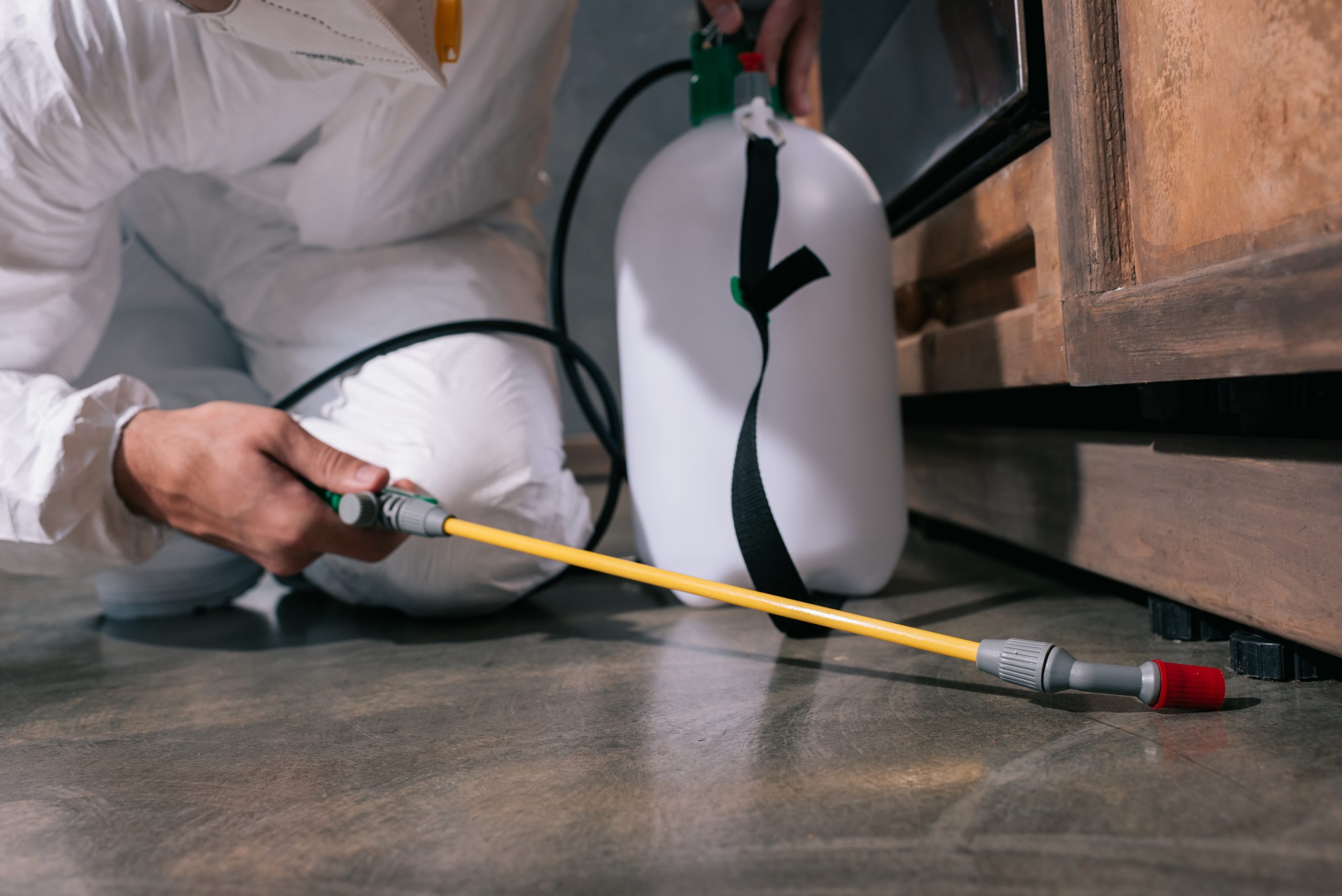
Professional pigeon control services are equipped with the expertise and tools necessary for efficient and humane wildlife management. These specialists assess your property to identify nesting sites, food sources, and entry points, providing targeted solutions tailored to your specific situation.
When selecting a professional service, verify they’ve experience in wildlife management and are licensed in pigeon control. They employ a combination of exclusion techniques, such as netting and spikes, to deter pigeons from settling.
Additionally, they use advanced technologies like bird deterrent systems, which might include ultrasonic devices or visual scare tactics, guaranteeing the pigeons are encouraged to relocate without harm.
In addition to immediate pigeon removal, professionals offer long-term strategies to prevent future infestations. Their extensive approach includes regular monitoring and maintenance recommendations.
While this service comes with a cost, it provides peace of mind knowing that experts are managing the situation effectively. Investing in professional help can ultimately save time, reduce stress, and prevent potential damage to your property caused by persistent pigeon populations.
Maintaining a Pigeon-Free Property
To maintain a pigeon-free property, it’s vital to implement a combination of proactive measures and regular maintenance. Begin by inspecting your property for potential nesting sites. Pigeons prefer flat surfaces such as rooftops, balconies, or ledges. Install physical deterrents like spikes or bird netting to make these areas inaccessible. Regularly check these installations for damage or displacement as part of your property upkeep routine.
Seal all entry points to attics or roof spaces to prevent pigeons from establishing nests. Use durable materials like metal mesh to cover vents and chimneys. Implement a consistent cleaning schedule to remove food sources and debris that could attract pigeons. Make certain trash bins are securely closed and consider using bird-proof feeders if you have a garden.
Understanding pigeon nesting habits is significant for long-term prevention. Pigeons are persistent and can return to previous nesting sites. Regularly monitor these areas and promptly remove any nesting materials.
Employ visual or auditory deterrents, such as reflective surfaces or ultrasonic devices, to disrupt their nesting behavior. Maintaining vigilance and addressing potential issues immediately will help you sustain a pigeon-free environment effectively.
Regularly updating and reinforcing these measures guarantees ongoing property upkeep and pigeon deterrence.
Frequently Asked Questions
Can Pigeons Carry Diseases That Affect Humans?
Yes, pigeons can carry diseases that pose health risks to humans. Pigeon diseases like histoplasmosis, cryptococcosis, and psittacosis can transmit through droppings. Guarantee proper sanitation and control measures to minimize exposure and maintain a safe environment.
What Attracts Pigeons to Residential Areas?
Imagine opening your kitchen window to find pigeons roosting nearby. They’re drawn to residential areas by accessible food sources, like bird feeders or trash, and ideal nesting sites, such as balconies or roof overhangs, creating nuisance issues.
Are There Legal Restrictions on Removing Pigeons?
When addressing legal considerations, check local wildlife protection laws. Ethical removal involves using non-lethal methods. Guarantee compliance with regulations, like avoiding breeding seasons. Consult professionals if unsure, as improper actions might lead to penalties or harm local ecosystems.
How Can I Identify a Pigeon Infestation Early?
Spotting a pigeon infestation early requires eagle-eyed vigilance. Notice pigeon behavior like incessant cooing, relentless droppings accumulation, and frequent feather piles. These infestation signs indicate your property might soon resemble a bustling avian metropolis if not addressed.
Do Pigeons Have Any Natural Predators in Urban Areas?
In urban areas, pigeons face predators like urban hawks and feral cats. You should monitor these natural predators’ presence as they can help control pigeon populations, though their effectiveness varies based on local environmental conditions and available prey.
Conclusion
In your quest to reclaim your property, think of the pigeons as persistent gray clouds. By weaving a net of humane traps, physical barriers, and deterrents, you’re crafting an umbrella of protection. Each spike and shimmer of tape is a ray of sunshine piercing through, ensuring the clouds don’t gather again. For a clear, blue sky devoid of disruptions, consider the guidance of professional pigeon control services. Their expertise is the compass guiding you to a pigeon-free horizon.